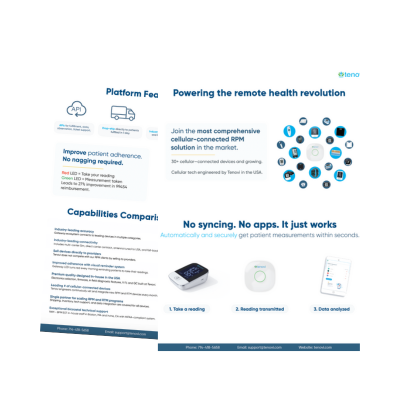
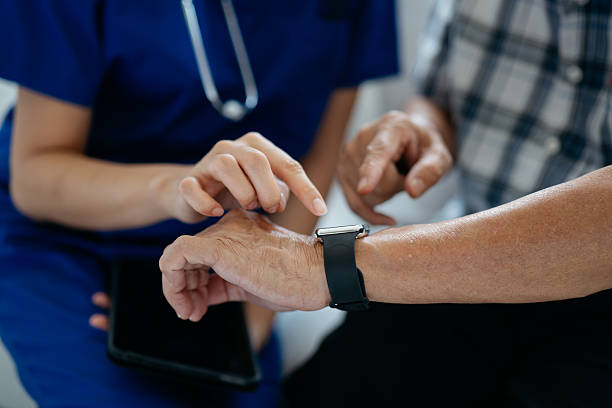
Wearable remote patient monitoring is an area of healthcare that utilizes innovative technologies such as remote patient monitoring devices, wearable devices, medical-grade sensors, biosensors, and smart devices. These tools allow healthcare providers to track patient health data continuously outside traditional healthcare settings.
This article examines a study leveraging medical-grade wearables for cardiovascular monitoring and explores a 2026 systematic review on managing multiple chronic conditions through remote care. These research examples showcase how wearable remote patient monitoring creates new opportunities for early diagnosis, prevention, and tailored treatment recommendations. With continuous biometrics now accessible outside hospital walls, remote care is poised to fundamentally improve chronic disease management and well-being between doctor’s visits.
Wearable Remote Patient Monitoring Study: Cardiovascular Health
A multi-center study published in Digital Health aimed to describe 24-hour trajectories of advanced cardiovascular parameters, such as heart rate, blood pressure, stroke volume, and cardiac index, using medical-grade wearable remote patient monitoring devices. Data was continuously collected from 256 ambulatory participants for 24 hours as they went about their normal daily activities.
Results showed significant diurnal variations corresponding with awake/sleep cycles. Heart rate and cardiac index dropped the most at night, while systemic vascular resistance peaked around 5 am.
The wearable platforms were able to detect subgroup-specific hemodynamic changes (changes in blood flow and circulatory dynamics). Key findings included:
- Sex: Females had higher heart rates but lower vascular resistance than males.
- BMI: Obese participants had higher blood pressure but lower stroke volume.
- Age: Older individuals showed higher systolic blood pressure but lower cardiac index
These insights help advance personalized medicine and inform drug development by providing a clearer picture of a patient’s health outside the clinic.
New Research: Standardizing Monitoring for Chronic Diseases
A February 2026 systematic review published in JMIR mHealth and uHealth underscores the shift toward using wearable remote patient monitoring for comprehensive chronic disease management. Unlike previous studies that focused on a single condition, this 2026 research analyzed 61 peer-reviewed articles to create a standardized “road map” for managing multimorbidity—where patients suffer from two or more chronic conditions simultaneously.
The research highlights that 64% of modern RPM programs now utilize wearable bands (smartwatches and armbands) to collect a diverse array of health parameters:
- Vital Sign Tracking: Beyond heart rate, these devices are now consistently used to monitor body temperature, peripheral oxygen saturation (SpO2), and blood pressure.
- Application Areas: While cardiovascular care remains a leader (25%), there is a significant increase in using these devices for neurological and metabolic conditions.
- Lifestyle Integration: 100% of the reviewed studies used these wearables to track physical activity, and 26% used them to monitor sleep, providing a holistic view of patient recovery.
By moving away from siloed monitoring, these 2026 findings suggest that wearable remote patient monitoring can finally address the complexity of patients with overlapping health issues, reducing the risk of emergency readmissions.
Understanding Personalized Wearable Remote Patient Monitoring
Together, these studies demonstrate the wealth of longitudinal health insights gained from modern sensors. Additional research shows that smartwatches used as activity trackers improve health metrics across diverse populations. As technology advances, wearable remote patient monitoring promises to enable more anticipatory, precision care, and tuning treatment to each patient’s changing needs.