
For millions of people, seasonal changes and environmental triggers can bring a significant decline in quality of life. In the United States alone, over 20 million adults battle asthma, a condition often inextricably linked to severe allergies. When these conditions worsen, the results can be costly, leading to nearly one million emergency room visits annually. To combat these rising risks, modern allergy management is shifting toward proactive, data-driven solutions that allow patients to stay ahead of their symptoms.
However, the landscape of allergy management is changing. Thanks to the rapid advancement of remote care and mHealth (mobile health) technology, patients now have several tools to manage worsening symptoms from home, preventing minor flares from becoming major medical emergencies.
Rise of Remote Care For Allergy Management
Traditionally, managing worsening allergies or asthma required a physical trip to the doctor’s office. Today, virtual care has expanded into comprehensive remote patient monitoring (RPM) and Remote Therapeutic Monitoring (RTM). By using digital devices to track physiological data and medication adherence in real-time, healthcare providers can intervene earlier than ever before.
Research consistently supports the effectiveness of these tools. For example:
- Improved Control: A study published in The Journal of Allergy and Clinical Immunology: In Practice (CONNECT1) demonstrated that patients using digital monitors for allergy management and asthma had significantly higher odds of achieving clinically meaningful improvements in asthma control compared to those receiving standard care.
- Reduced Emergency Visits: Peer-reviewed research, such as the study conducted by Propeller Health and Dignity Health, highlights that remote monitoring platforms can lead to a 54% reduction in asthma-related emergency room visits and a 57% reduction in combined ER visits and hospitalizations.
Effective allergy management now relies on five categories of remote technology:
1. Smart Digital Inhalers
Adherence is the biggest hurdle in respiratory allergy care. Smart inhalers (like the BreatheSuite, Adherium, or Propeller systems) attach to your existing medication or come with embedded sensors. They use Bluetooth to track how often you use your inhaler and, crucially, whether your technique is correct. This data is shared with your doctor to ensure your allergy management and asthma treatment plan is actually working.
2. Mobile Spirometry
Spirometers measure how much air you can exhale and how fast. Modern, FDA-cleared mobile spirometers (such as NuvoAir or GoSpiro) allow patients to perform clinical-grade lung function tests at home. For those with worsening conditions, these devices can detect a drop in lung function before the patient even feels “short of breath.”
3. Digital Peak Flow Monitors
Similar to spirometers, Peak Flow Meters track your Peak Expiratory Flow (PEF). By monitoring these numbers daily via an app, you and your allergist can identify “red zones” early, allowing for immediate adjustments to your medication.
4. Allergy Management & Forecast Apps
With over 500 asthma and allergy-related apps available, patients can now access hyper-local pollen forecasts and air quality trackers. Integrating this data into your daily allergy management routine helps you stay indoors on high-trigger days, preventing symptoms before they start.
5. Wearable Health Devices
Digital oximeters and activity trackers provide a holistic view of your health, and can be an aid in allergy management with asthma. A drop in oxygen saturation or a sudden decrease in daily steps can be an early indicator that your allergies are placing an undue burden on your cardiovascular system.
How Remote Monitoring Prevents Worsening Conditions
The primary goal of remote allergy management is prevention and preemptive care. Here is how remote care helps when conditions begin to decline:
- Instead of waiting for a six-month checkup, your doctor receives alerts if your symptoms spike or your inhaler usage increases.
- Studies suggest that remote monitoring can reduce the length of hospital stays and prevent emergency room visits by catching flare ups in the early stages.
- For patients living far from specialists, mHealth bridges the gap, ensuring high-quality specialist care regardless of geography.
- Data-driven care allows doctors to see exactly which environmental triggers correlate with your worsening symptoms.
Understanding Allergy Management With Remote Care
While the benefits are vast, patients should be aware of potential hurdles. Effective allergy management via remote care requires a stable internet connection and a basic level of technological proficiency. Additionally, it is important to confirm with your provider that your remote devices are FDA-cleared, as this is often a requirement for insurance coverage and Medicare reimbursement.
The wait and see approach to worsening allergies is becoming a thing of the past. By embracing smart technology and remote monitoring, you can take a proactive stance. Modern allergy management does not need to be reacting to a crisis. With digital tools patients and members can stay one step ahead of their triggers.
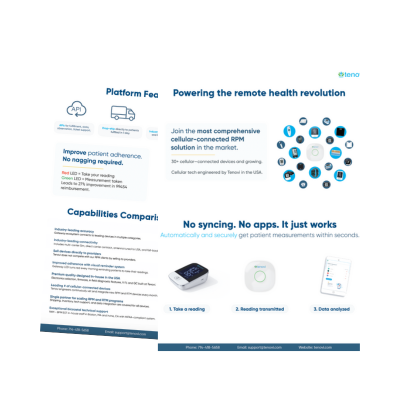
Tenovi is a data aggregation and automation platform connecting medical device manufacturers with remote patient monitoring companies. They provide a growing number of medical device point solutions that connect with their proprietary cellular gateway to automate the transfer of patient vitals. Their API-driven fulfillment and automation services enable seamless deployment of remote patient monitoring programs. Schedule a free demo to learn more.