In this week’s review of telemedicine studies, you’ll discover the benefits of remote continuous glucose monitoring (CGM). CGM is considered the gold standard for monitoring glucose levels, and is improving diabetes management by offering real-time insights into blood glucose levels. This article provides data on diabetes, and will help you understand
Continuous glucose monitoring (CGM) has become the gold standard for tracking glucose, giving people with diabetes real-time insight into their blood sugar day and night. The benefits of continuous glucose monitoring reach beyond convenience: recent research links CGM to meaningfully better glucose control, fewer dangerous lows, and stronger patient engagement. This guide explains how CGM works, what the latest studies show, who benefits, and how Medicare covers it.
Understanding Diabetes and Continuous Glucose Monitoring
Diabetes is a chronic condition on the rise. According to the CDC, 40.1 million Americans, about 12% of the population, are living with diabetes, and another 115.2 million adults have prediabetes. Globally, the World Health Organization estimates more than 800 million adults now live with the condition.
Managing blood glucose is central to preventing complications such as cardiovascular disease, neuropathy, and retinopathy. That is where the benefits of continuous glucose monitoring come in, giving patients and providers the data to act early rather than react late.
What Is Continuous Glucose Monitoring?
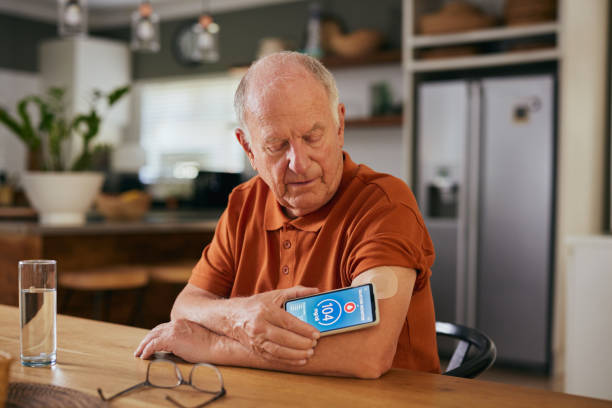
Continuous glucose monitoring is a technology that tracks glucose levels around the clock. Unlike a traditional finger-prick test, which captures a single moment, a CGM uses a small sensor placed under the skin to measure glucose in interstitial fluid every few minutes. The data streams to a receiver or smartphone app, delivering real-time readings, trends, and alerts.
This continuous view is what unlocks CGM’s value. Instead of a handful of isolated numbers, patients and clinicians see the full pattern of how food, activity, medication, and sleep affect glucose over time.
The Key Benefits of Continuous Glucose Monitoring
The benefits of continuous glucose monitoring show up in both clinical outcomes and daily quality of life.
- Improved glucose control. Continuous data reveals trends and patterns that finger-prick testing misses, enabling timely adjustments to stay in the target range.
- Reduced hypoglycemia. Alerts for high and low readings help patients head off dangerous low-glucose events before they escalate.
- More time in range. CGM increases the hours per day spent in the healthy glucose range, a metric now recognized as central to good diabetes care.
- Better quality of life. Real-time monitoring cuts the need for frequent finger sticks and reduces the daily burden of diabetes management.
- Greater accessibility. Remote monitoring and virtual education extend CGM to patients in rural areas or with mobility challenges.
- Stronger engagement. Seeing glucose respond to food and activity in real time helps patients understand their condition and take an active role in managing it.
What the Latest Research Shows
The evidence behind the benefits of continuous glucose monitoring has grown stronger, especially for people with type 2 diabetes who do not use insulin, a group that historically lacked strong data.
The landmark development is the CONNECT trial, presented at the American Diabetes Association 2026 Scientific Sessions. It is the first randomized trial to provide level-A evidence supporting CGM in this large, mostly primary-care population. Over 26 weeks, patients using CGM lowered their hemoglobin A1c by an average of 1.6 percentage points, a reduction 0.9 points greater than routine care, and spent about 5 more hours per day in the target range. A clinically meaningful A1c drop of at least 0.5 points was reached by 82% of CGM users, and the benefit held across every subgroup, including patients already on GLP-1 or SGLT-2 medications.
This builds on earlier findings. A 2025 systematic review of randomized trials found real-time CGM consistently improved glycemic outcomes in adults with type 2 diabetes. Another randomized trial showed that people with type 2 diabetes not taking insulin reduced their A1c by 1.3% and lost about 7 pounds over six months using CGM to guide food choices. Together, these studies confirm that CGM’s benefits extend well beyond insulin users.
Continuous Glucose Monitoring for Older Adults
Older adults can benefit from CGM too, even when starting remotely. A study published in Diabetes looked at remote initiation of CGM in senior adults with diabetes who use insulin. It involved 24 adults with a mean age of 72 and an average diabetes duration of 30 years, most of whom were new to CGM.
The results were encouraging. All participants successfully started and maintained CGM with remote support, 100% found the remote education effective, and 95% planned to continue using CGM after the study. Reported challenges included difficulty with mobile apps (33%), annoyance with alarms (50%), and concerns about Medicare coverage (42%). The takeaway: remote CGM initiation is feasible and well received in older populations, which matters as care shifts increasingly into the home.
The Rise of Over-the-Counter CGM
Access to CGM has expanded dramatically. In March 2024, the FDA cleared Dexcom’s Stelo, the first over-the-counter CGM, for adults who do not use insulin. Abbott’s Lingo followed for general wellness use. By June 2026, the FDA had also cleared Stelo for children aged 2 and older who do not use insulin.
These OTC options open glucose monitoring to millions of people with type 2 diabetes not on insulin, and to those with prediabetes, who may lack insurance coverage for prescription devices. It is a meaningful step toward health equity, though patients should confirm that any device they choose is cleared for their specific needs, since wellness-only monitors are not intended to manage diabetes.
Does Medicare Cover Continuous Glucose Monitoring?
Medicare recognizes the benefits of continuous glucose monitoring and covers it under the Durable Medical Equipment (DME) benefit. Coverage includes both adjunctive and non-adjunctive CGMs. Non-adjunctive CGMs, such as the Dexcom G7, can be used to make treatment decisions without a confirmatory finger-prick test.
To be covered, a CGM must qualify as DME, meaning it has a stand-alone receiver or is integrated into an insulin pump. Medicare also covers the supply allowance, including sensors and transmitters. CGMs that display results only on a non-DME device like a smartphone are not covered. Devices must also pass a coding verification review and appear on the Product Classification List for their billing codes. Because coverage rules can change, patients and providers should confirm current Medicare criteria before starting.
Frequently Asked Questions
1) What are the main benefits of continuous glucose monitoring?
The main benefits of continuous glucose monitoring include better glucose control, fewer hypoglycemic events, more time in the target range, reduced need for finger-prick testing, and stronger patient engagement. Recent research also shows meaningful A1c reductions, even for people with type 2 diabetes not on insulin.
2) Does CGM help people who don’t use insulin?
Yes. The 2026 CONNECT trial provided the first level-A evidence that CGM significantly lowers A1c in adults with type 2 diabetes not treated with insulin, with an average 1.6-point reduction over 26 weeks. Over-the-counter CGMs now make this accessible without a prescription.
3) How is CGM different from finger-prick testing?
A finger-prick test gives a single glucose reading at one moment. A CGM measures glucose every few minutes around the clock, revealing trends, patterns, and alerts that isolated readings cannot capture.
4) Does Medicare cover continuous glucose monitoring?
Medicare covers CGM under the Durable Medical Equipment benefit when the device qualifies as DME, including the sensors and transmitters. Devices that display results only on a smartphone are not covered. Coverage rules can change, so confirm current criteria.
Understanding the Benefits of Continuous Glucose Monitoring
The benefits of continuous glucose monitoring are now backed by strong evidence and available to more people than ever. From landmark trials showing real A1c improvements to the arrival of over-the-counter devices, CGM is reshaping how diabetes is managed, for insulin users, non-insulin users, and older adults alike. As the technology and access continue to expand, CGM will remain a cornerstone of proactive, patient-centered diabetes care.
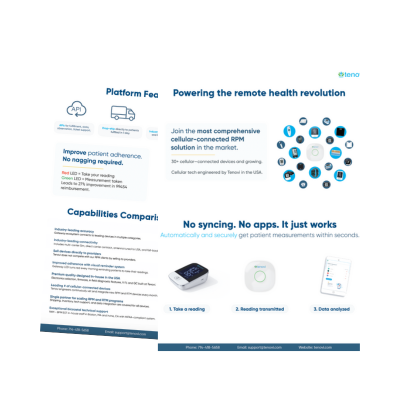
Tenovi works with chronic care, telehealth, and remote patient monitoring companies, providing FDA-cleared devices and custom integrations for real-time access to patient health and billing data. To learn how remote monitoring can support your diabetes care programs, contact Tenovi for a free demo and consultation.