Fitness and health monitoring devices have moved from step counters to sophisticated sensors. Some track heart rhythm, oxygen saturation, sleep, and more. As these devices spread, a practical question follows: which readings can a clinician trust, and where do consumer wearables end and clinical tools begin?
This guide explains what fitness and health monitoring devices measure, how accurate they are by metric, the regulatory line that separates wellness from medical use, and how they connect to real care.
The distinction matters because the same wristband can produce a genuinely useful heart rate trend and a blood pressure estimate that no clinician should act on. Understanding the difference is the difference between helpful data and misleading data.
What Fitness and Health Monitoring Devices Measure
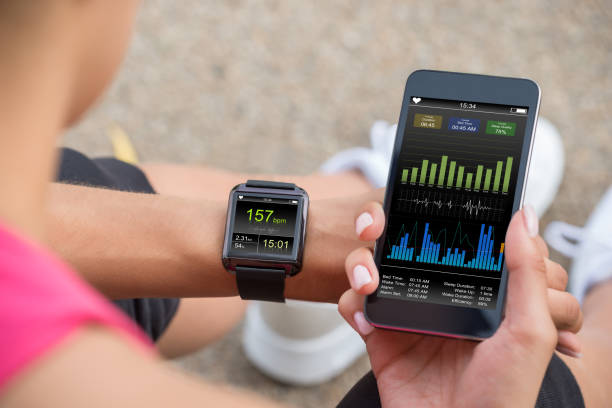
Modern devices pack several sensor types into a small form factor. Most combine an accelerometer for movement, a photoplethysmography (PPG) optical sensor for heart rate and oxygen estimates, and, in some models, ECG electrodes for heart rhythm. Increasingly, they layer AI algorithms on top of these signals to surface patterns.
The common measurements fall into a few groups. Activity metrics include steps, distance, and estimated calories. Cardiovascular metrics include heart rate, heart rate variability, and in some devices single-lead ECG. Respiratory and metabolic metrics include estimated blood oxygen and, in dedicated devices, continuous glucose. Sleep metrics track duration and stages. Each of these varies in reliability, which is where accuracy becomes the central question.
How Accurate Are Fitness and Health Monitoring Devices?
Accuracy is not uniform across metrics, and treating a device as uniformly reliable is a mistake. A systematic review and meta-analysis of wearable activity trackers found that their accuracy as disease detection tools remains uncertain, with performance varying widely by condition and device. The takeaway is not that these devices are useless, but that accuracy depends heavily on what is being measured.
Some metrics hold up well. Step counts generally track within a reasonable margin of dedicated pedometers, and resting heart rate is consistent across brands when the device is worn snugly and placed correctly. Other metrics are far shakier. Optical blood oxygen estimates from a wrist device can differ meaningfully from a clinical pulse oximeter and degrade with cold hands or poor perfusion. Calorie estimates vary widely by algorithm. And wrist-based blood pressure estimation from optical sensors alone does not meet clinical validation standards.
The most reliable use of a consumer device is spotting a change from a personal baseline over time, not producing a single clinically precise value. A resting heart rate that jumps well above a person’s norm can flag that something is worth checking, without diagnosing what.
The Wellness Versus Medical Device Line
The single most important concept for interpreting fitness and health monitoring devices is the regulatory line between a general wellness product and a medical device. This line, drawn by the FDA, determines whether a reading has been held to clinical standards.
Under FDA guidance, noninvasive wearables that measure physiological parameters like heart rate for general wellness purposes may be treated as low-risk wellness devices and exempt from medical device regulation, as long as they avoid medical claims. The status depends on intended use and the claims attached to the product, not the sensor alone. A device that tracks and displays data is usually wellness. A device that claims to detect, diagnose, or predict a condition crosses into medical device territory and triggers regulatory oversight.
This is not a fine-print technicality. In July 2025, the FDA issued a warning letter to a wearable maker over a blood pressure feature that the agency alleged was marketed with medical-grade claims without the required clearance. The same hardware can be a wellness gadget or a regulated medical device depending entirely on what the manufacturer claims it does.
FDA-Cleared Features Within Consumer Devices
Complicating the picture, some consumer devices contain specific features that have earned FDA clearance while the rest of the device remains wellness-only. The clearest example is heart rhythm. Certain smartwatch ECG features have been cleared to help detect atrial fibrillation, a rhythm disorder that raises stroke risk and often goes undiagnosed. An estimated 59 million people worldwide live with atrial fibrillation, and wearable screening can help surface undiagnosed cases.
The key point is that FDA clearance applies to a specific intended use, not to the device as a whole. A watch may be cleared for detecting an irregular rhythm while its blood oxygen or blood pressure features remain wellness estimates. Reading the clearance narrowly, feature by feature, is the only accurate way to interpret what a device can clinically support.
Where Fitness and Health Monitoring Devices Fit in Care
Consumer fitness and health monitoring devices and clinical monitoring devices serve different jobs, and the strongest programs know the difference. Wellness wearables excel at engagement, motivation, and surfacing broad trends that prompt a person to seek care. Clinical monitoring depends on validated, accurate devices whose readings can drive diagnosis and treatment.
This is where remote patient monitoring (RPM) draws a firm line. RPM programs rely on devices validated for clinical accuracy so that a reading can be acted on, not merely noted. A consumer step count is useful context, but a blood pressure or weight reading that informs a medication change has to come from a device built and validated for that purpose. The two categories complement each other rather than substitute for one another.
The Role of Connected, Clinical-Grade Devices
For a monitoring program, the value of a device is tied to how reliably it captures a reading and delivers it to the care team. Consumer wearables often depend on a smartphone, an app, and a patient remembering to sync. That works for personal wellness, but it introduces gaps when clinicians need consistent data.
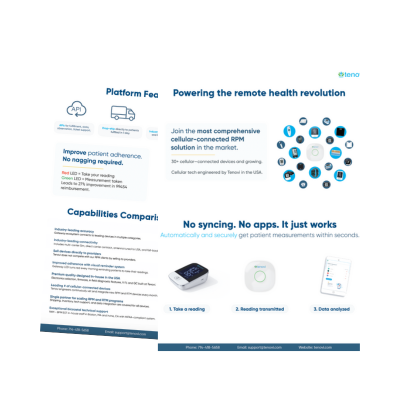
Tenovi’s approach closes those gaps for clinical use. The connected health devices on its platform transmit each reading automatically through a cellular gateway, without Wi-Fi, an app, or a smartphone. These are program-grade, validated devices rather than consumer wellness gadgets, so the readings can support clinical decisions. The goal is patient-centered: reliable home data supports earlier intervention and steadier management of chronic conditions, which reduces the hospitalizations that late detection drives.
Frequently Asked Questions
1) Are fitness trackers accurate enough for medical use?
It depends on the metric. Step counts and resting heart rate are generally reliable, while blood oxygen and calorie estimates vary more, and wrist blood pressure estimates do not meet clinical standards. For medical decisions, a device validated for clinical accuracy is needed rather than a general wellness wearable.
2) What is the difference between a wellness device and a medical device?
The difference is intended use and claims, not the sensor. A device that tracks and displays data for general wellness is typically exempt from medical device regulation. One that claims to detect, diagnose, or predict a condition is treated as a medical device and must meet FDA requirements.
3) Can a smartwatch detect atrial fibrillation?
Some smartwatch ECG features have received FDA clearance to help detect atrial fibrillation. That clearance applies only to the specific rhythm feature, not to the whole device. A positive result should be confirmed by a clinician, since the watch screens rather than diagnoses.
4) Why do blood oxygen readings from wearables differ from a clinic?
Wrist wearables estimate blood oxygen with an optical sensor, which can differ from a clinical pulse oximeter and degrade with cold hands, poor circulation, or a loose fit. These estimates are useful for trends but are not suitable for diagnosing low oxygen levels.
5) What do fitness and health monitoring devices measure most reliably?
They are most reliable at tracking change from a personal baseline over time, such as a rising resting heart rate or a shift in activity level. Single precise clinical values are less reliable than long-term trends for most consumer devices.
6) How do these devices fit into remote patient monitoring?
Remote patient monitoring uses devices validated for clinical accuracy so readings can drive diagnosis and treatment. Consumer wearables add useful context and engagement, but the data that informs clinical decisions comes from program-grade, validated monitoring devices.
Understanding Fitness and Health Monitoring Devices
Fitness and health monitoring devices sit on a spectrum from consumer wellness wearables to validated clinical tools. They measure a widening set of metrics, but accuracy varies sharply by metric, and the FDA line between wellness and medical use determines which readings carry clinical weight. The most reliable role for a consumer device is spotting change from a personal baseline, while diagnosis and treatment depend on validated, program-grade devices. Used together with a clear understanding of each one’s limits, both have a place.
Tenovi provides connected, clinical-grade health monitoring devices that transmit readings automatically to care teams, with no Wi-Fi or smartphone required. If your organization is building or scaling a remote monitoring program, contact us for a free demo and consultation to see how validated, connected devices support accurate care.