
When it comes to heart disease in women and prevention, many people may believe that cardiovascular issues primarily affect men. However, current data paints a much more urgent picture. According to the American Heart Association, cardiovascular disease remains the leading cause of death for women, claiming over 433,000 lives in 2023 alone.
The good news is that nearly 80% of cardiac events can be avoided through proactive lifestyle changes and early intervention. By understanding your unique risks and symptoms, you can take control of your long-term health.
Heart Disease in Women and Prevention:Unique Symptoms
Heart disease in women and prevention begins with education. While chest pain is the most common symptom for both genders, women are far more likely to experience “atypical” signs that are easily dismissed as the flu, stress, or simply aging.
Common symptoms for women include:
- Unusual fatigue: Feeling exhausted even after plenty of rest.
- Shortness of breath: Difficulty breathing during light activity or while resting.
- Pain in the jaw, neck, or back: Often described as a dull ache or pressure.
- Nausea and lightheadedness: Sometimes mistaken for acid reflux or indigestion.
Because these symptoms can be subtle, many women delay seeking help. Experts at the Mayo Clinic note that women often wait longer in emergency rooms than men, making self-advocacy a vital part of your health journey.
Proactive Strategies for Heart Disease in Women and Prevention
Implementing a strategy for heart disease in women and prevention doesn’t require an overnight life overhaul. Small, consistent habits are the most effective way to lower your risk factors, such as high blood pressure and obesity.
1. Know Your Numbers
Schedule a “well-woman” visit to check your “Essential 8” metrics. Knowing your blood pressure, cholesterol, and blood sugar levels gives you a baseline for improvement.
2. Move More, Sit Less
The CDC recommends at least 150 minutes of moderate-intensity aerobic activity per week. This could be as simple as a 30-minute brisk walk five days a week.
3. Nutrition as Medicine
Focus on a diet rich in fruits, vegetables, whole grains, and lean proteins. Reducing sodium intake is particularly important for managing blood pressure, which the AHA projects could affect nearly 60% of women by 2050.
Telehealth and Remote Monitoring for Heart Disease in Women and Prevention
Modern technology has made heart disease in women and prevention more accessible than ever. For those managing existing conditions like hypertension, telehealth services allow you to consult with specialists from the comfort of your home, breaking down barriers like transportation or busy schedules.
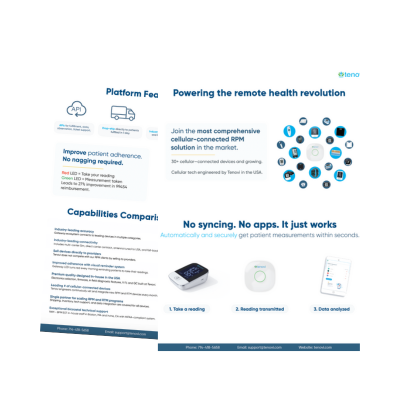
Remote monitoring devices, such as wearable fitness trackers and smart blood pressure cuffs, enable you to share real-time data with your doctor. This “digital ecosystem” helps in the early detection of irregularities, ensuring that minor issues don’t turn into major emergencies.
Taking the Next Step
Understanding the link between heart disease in women and prevention is the first step toward a longer, healthier life. Whether it’s adjusting your diet, starting a walking routine, or utilizing remote monitoring tools, every small action counts.