Most patients with high blood pressure are also managing weight, blood sugar, heart rate, or oxygenation issues that influence how well their blood pressure responds to treatment. This article takes a different look at hypertension care with high blood pressure vital signs monitoring and which vital signs can be tracked together at home to give care teams the complete picture they need to act.
Why High Blood Pressure Vital Signs Monitoring
Nearly 48% of U.S. adults have hypertension, and only about one in four have blood pressure under control. Part of the reason control rates stay stubbornly low is that blood pressure is treated as an isolated number. A 1999–2023 analysis in JACC found that adults with hypertension increasingly carry additional cardiometabolic risk factors, such as diabetes and obesity chief among them. Rising weight drives blood pressure up. Poorly controlled glucose stiffens blood vessels. An elevated resting heart rate can signal that treatment isn’t working or that something else is going on.
The 2025 AHA/ACC hypertension guideline reinforces this whole-patient view: it emphasizes home blood pressure monitoring to confirm diagnoses and guide treatment, and frames hypertension management around comorbid conditions like diabetes, obesity, and kidney disease rather than blood pressure alone.
The Vital Signs and Hypertensive Patients
A complete high blood pressure vital signs monitoring routine typically tracks four measurements alongside blood pressure itself.
Blood Pressure and Pulse
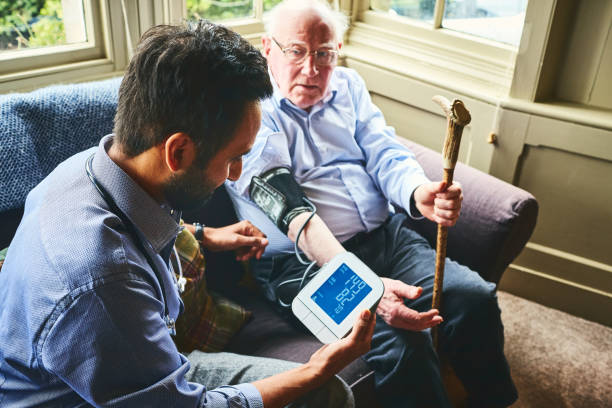
The foundation. Daily home readings with a cellular blood pressure monitor catch white-coat and masked hypertension, reveal how patients respond to medication changes, and surface dangerous spikes between office visits. Readings at or above 130/80 mm Hg are considered hypertensive. Most cuffs also capture pulse — a persistently elevated resting heart rate is an independent cardiovascular warning sign worth flagging.
Weight
Weight and blood pressure move together. Even modest weight gain can raise blood pressure, and for hypertensive patients with heart failure risk, daily weight monitoring catches fluid retention days before symptoms appear. A connected scale turns a bathroom habit into clinical data.
Blood Glucose
Diabetes and hypertension are frequent companions, and the combination multiplies cardiovascular risk. For these patients, the 2025 guideline holds the treatment goal below 130 mm Hg systolic — and hitting it is harder when glucose runs uncontrolled. A wireless blood glucose meter lets care teams see both trend lines side by side.
Blood Oxygen
Sleep apnea and COPD are common, underdiagnosed contributors to resistant hypertension. A pulse oximeter reading that trends low can prompt screening for the respiratory conditions quietly driving blood pressure up.
How Remote Monitoring Ties the Vital Signs Together
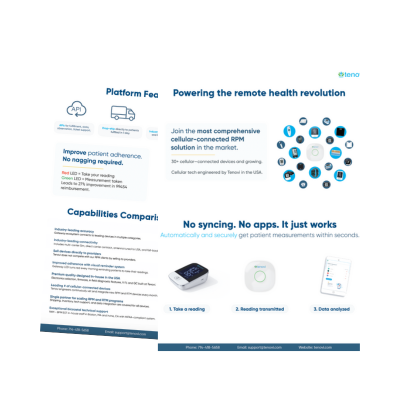
After checking each vital signs, the data has to reach the care team to make it actionable. That’s where remote patient monitoring comes in. With Tenovi, connected devices transmit each reading automatically through a Cellular Gateway, so a nurse or physician sees blood pressure, weight, glucose, and SpO2 in one dashboard, with threshold alerts when any value drifts out of range.
Research supports the approach. Patients enrolled in remote monitoring for at least 90 days improved systolic blood pressure by 7.3 mm Hg on average — 16.7 mm Hg for stage 2 hypertension. Because chronic conditions drive 90% of the nation’s $5.3 trillion annual health spend, catching a rising trend at home is far cheaper than treating the stroke or heart attack it precedes.
Building a Vital Signs Monitoring Routine That Patients Keep
The best monitoring program is the one patients actually use. A few principles make the difference:
- Devices that work out of the box remove the biggest adherence barrier, especially for older patients. Tenovi devices send readings through the Tenovi Cellular Gateway with no smartphone required.
- Morning blood pressure and weight readings, taken before medication and breakfast, produce the cleanest trend data.
- Patients stay engaged knowing health teams respond to their data. Treatment adherence rises when readings trigger outreach, not silence.
The Full Picture Improves Control
High blood pressure vital signs monitoring that combines daily blood pressure readings with weight, glucose, and oxygen data gives clinicians what a quarterly office visit never can: the trends, interactions, and early warnings that turn reactive care into preventive care.
Want to learn more about multi-device remote monitoring for hypertensive patients? Tenovi works exclusively with companies that offer remote patient monitoring solutions to healthcare providers, including RPM service and software companies, chronic care management companies, and telehealth companies. Visit tenovi.com to learn more about our no sync, no app RPM hardware and software services.