Integrating artificial intelligence (AI) into remote patient monitoring (RPM) systems continues to improve patient outcomes and clinical efficiency. As chronic disease rates climb and care shifts into the home, ai remote patient monitoring gives clinicians a way to watch for problems earlier and act sooner. The evidence base has grown quickly, and 2025 and 2026 brought both new studies and major regulatory milestones.
This article reviews recent research on ai remote patient monitoring and explains its role in early detection, personalized treatment plans, predictive analytics, and medication adherence within RPM systems.
What Is AI Remote Patient Monitoring?
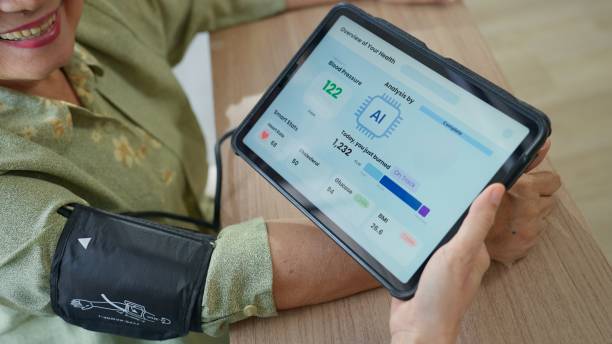
AI remote patient monitoring combines connected medical devices with machine learning to collect and interpret patient data outside the clinic. Devices such as blood pressure cuffs, glucometers, and wearables stream vital signs to a platform, and AI models analyze that data to flag risk, predict outcomes, and personalize care. Instead of static alert thresholds, these systems learn each patient’s baseline and adapt over time.
The category has moved into the mainstream. By early 2026, more than 1,200 FDA-authorized AI/ML-enabled medical devices were in use, nearly double the count from 2022. This growth signals that AI is now a standard part of how remote monitoring works, not an experimental add-on.
Insights From Recent Research on AI Remote Patient Monitoring
Several studies show measurable benefits when AI supports remote monitoring. An earlier trial published in JMIR Cardio tested an AI-based lifestyle coaching program for adults with hypertension. The trial involved 141 participants using remote blood pressure monitors and wearable activity trackers. The devices collected data that, along with questionnaire responses, trained personalized machine-learning models. The AI then delivered precision lifestyle coaching by text message and mobile app.
Results included:
- At 12 weeks, average systolic blood pressure fell by 5.6 mm Hg and diastolic by 3.8 mm Hg.
- At 24 weeks, reductions grew to 8.1 mm Hg systolic and 5.1 mm Hg diastolic.
- Participants with stage 2 hypertension saw larger drops: 14.2 mm Hg systolic and 8.1 mm Hg diastolic at 24 weeks.
- Weekly engagement averaged 92%, and only 5.9% of participants needed manual clinician outreach over 24 weeks.
Newer work builds on these findings. A 2025 review of digital hypertension in Hypertension Research summarized a growing body of evidence on home blood pressure monitoring, AI-assisted risk prediction, and remote therapeutic interventions, reporting clinically relevant outcomes across multiple studies. Research into AI-driven monitoring for heart failure and other chronic conditions has followed a similar path.
AI Remote Patient Monitoring and Early Detection
Early detection of health deterioration is critical, especially for patients with chronic conditions or those recovering from acute illness. Traditional care relied on periodic in-person visits, and the gaps between them made subtle real-time changes easy to miss.
AI and remote patient monitoring strengthen early detection through continuous data collection and analysis. Algorithms review large volumes of patient data, such as heart rate, blood pressure, and respiratory rate gathered from wearables and sensors. The models establish a personalized baseline for each patient, accounting for age, medical history, and current health status, then watch incoming data for meaningful deviations.
A clear example arrived in September 2025, when the FDA cleared Apple’s hypertension notification feature. By analyzing optical sensor data from the Apple Watch over 30-day periods, the algorithm passively detects signs of chronic high blood pressure without a cuff. It shows how passive, AI-driven analysis can surface a serious condition many patients would not catch on their own.
Key Components of AI-Enabled Early Detection
- Near real-time monitoring: Connected devices provide a constant data stream, so algorithms can detect small shifts from the baseline.
- Pattern recognition: AI models spot patterns such as irregular heart rhythms or sudden activity changes that may signal a problem.
- Anomaly detection: Algorithms identify readings outside the normal range and alert providers for prompt review.
- Predictive analysis: AI forecasts potential issues from historical trends, such as a gradual decline in heart rate variability.
Personalized Treatment Plans
Personalized treatment plans matter for managing chronic and complex conditions. AI takes a data-driven, whole-person approach, analyzing medical history, lifestyle, and prior treatment responses to inform care strategies. Interoperability standards such as SMART on FHIR help these systems pull data from different sources into one view.
Key Components of AI-Enabled Personalized Treatment Plans
- Data integration: AI aggregates electronic health records, wearable data, and patient-reported information for a complete health picture.
- Predictive analytics: Historical data helps estimate the likely effect of different treatments before providers commit to one.
- Risk assessment: AI evaluates risk factors for complications and identifies high-risk patients who need targeted care.
- Treatment recommendations: AI suggests personalized adjustments to medication, lifestyle, and diet.
Predictive Analytics for High-Risk Patients
Predictive analytics pairs AI and RPM to identify patients at high risk of an adverse event. By analyzing patient data and patterns, AI-driven systems forecast complications so providers can intervene early. AI excels at processing large data volumes and finding patterns that human review might miss, which lets care teams focus on the patients who need attention most.
Key Components of AI Remote Patient Monitoring Predictive Analytics
- Data collection: RPM gathers vital signs, lab results, medication adherence, and lifestyle habits as the foundation for analysis.
- Machine learning algorithms: Models identify trends and correlations, improving accuracy over time.
- Risk stratification: AI groups patients by likelihood of an adverse event, helping teams allocate resources.
- Alerts and notifications: AI flags patterns that suggest deterioration, prompting timely intervention.
Enhanced Medication Adherence
Medication non-adherence remains a costly problem that undermines treatment outcomes. AI promotes adherence through personalized support, reminders, and insight. Through RPM, AI monitors patient behavior and treatment response, identifying adherence patterns and predicting when a patient may miss a dose. A smart pill box can notify a provider when a dose is skipped.
Key Components of AI-Enabled Medication Adherence
- Behavioral analysis: AI predicts when a patient might forget or skip a dose.
- Personalized reminders: AI sends tailored prompts to keep patients on schedule.
- Data integration: AI tracks adherence across records and devices, giving real-time feedback.
- Predictive insight: AI anticipates adherence challenges from historical and real-time data.
- Patient engagement: AI shares educational content and addresses concerns about medication.
Frequently Asked Questions
1) What is ai remote patient monitoring?
Ai remote patient monitoring is the use of machine learning to analyze data from connected medical devices, such as blood pressure cuffs and wearables, so clinicians can detect risk, predict outcomes, and personalize care for patients at home.
2) Is AI-based remote monitoring FDA cleared?
Yes. By early 2026, more than 1,200 AI/ML-enabled medical devices had FDA authorization. In September 2025, the FDA cleared the Apple Watch hypertension notification feature, one high-profile example of AI-driven monitoring reaching consumers.
3) How does AI improve patient outcomes in RPM?
AI improves outcomes by catching problems earlier, tailoring treatment to each patient, predicting which patients are at highest risk, and supporting medication adherence. Studies in hypertension have shown meaningful blood pressure reductions when AI supports remote care.
Understanding AI and Remote Patient Monitoring in Healthcare
Integrating AI into remote patient monitoring benefits health systems, clinics, and technology partners. Ai remote patient monitoring improves early detection, supports personalized care, predicts risk for high-risk patients, and strengthens medication adherence. Recent research and new FDA clearances show the field maturing quickly, with continuous, predictive, and personalized care moving from promise to practice.
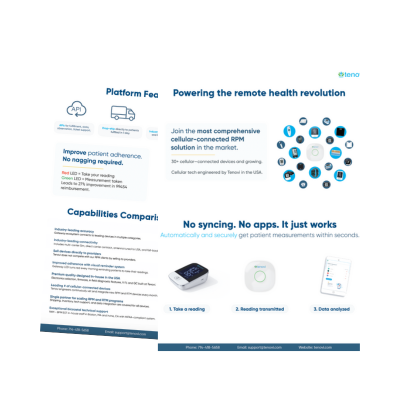
Tenovi works exclusively with companies that offer remote patient monitoring to healthcare providers, including RPM software companies, chronic care management companies, and telehealth platforms. Our cellular-connected, no sync, no app devices transmit patient data automatically through the Tenovi Gateway, giving partners a dependable data stream to build AI-driven care on. Schedule a free demo and consultation with Tenovi today.