Blood pressure monitor calibration is the process that keeps a device reading true against a known pressure standard. It sits at the center of accurate hypertension care, because a monitor that drifts out of calibration can push a reading across a diagnostic threshold and change a clinical decision. This guide explains what blood pressure monitor calibration means, how it differs from validation, how often devices need to be checked, and what care teams and patients can do to keep readings reliable.
The stakes are concrete. Inaccurate measurement can lead to both overdiagnosis and underdiagnosis of hypertension, along with over- or under-treatment. Getting the device right is a prerequisite for getting the diagnosis right.
What Blood Pressure Monitor Calibration Actually Means
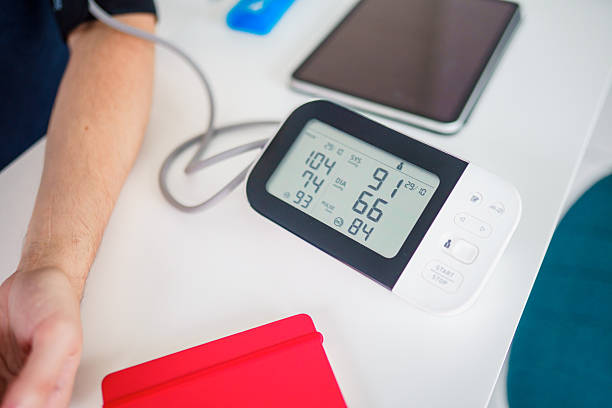
Calibration is the comparison of a device’s output against a reference standard of known accuracy, followed by any adjustment needed to bring the device back into agreement. For a blood pressure monitor, this typically involves a static pressure test that checks the device’s internal pressure sensor against a calibrated reference manometer across the range it will measure.
Calibration is not the same as validation, though the two are often confused. Validation is a one-time clinical study that proves a device model measures accurately across a population before it reaches the market. Calibration is the ongoing maintenance that confirms an individual unit still reads correctly over its service life. A device model can be validated and still fall out of calibration years later through normal wear.
Calibration Versus Validation: Why Both Matter
Validation is the entry ticket. Before a monitor is considered clinically trustworthy, it should pass a recognized validation protocol on a representative sample of patients. The current international standard is ISO 81060-2:2018, often cited as the AAMI/ESH/ISO Universal Standard, which sets strict accuracy criteria against a reference sphygmomanometer.
The problem is that most devices on the market never go through this testing. An analysis highlighted by the American Medical Association found that out of the 100 best-selling blood pressure devices on one major retailer, 81 percent had not undergone adequate clinical validation. To help clinicians and patients sort validated from unvalidated devices, the AMA maintains the US Blood Pressure Validated Device Listing, a free database at validatebp.org that lists devices proven accurate against the standard.
Calibration is what happens after that entry ticket. Even a validated, listed device is a physical instrument with sensors and components that can shift over time. Validation confirms the model was accurate when new. Calibration confirms the specific unit is still accurate today.
Why Blood Pressure Monitors Drift Out of Calibration
Automated monitors measure pressure with an internal sensor, and that sensor can drift. Repeated inflation and deflation, mechanical stress, temperature changes, aging components, and ordinary handling all contribute to gradual measurement error. Aneroid manual devices are especially prone to drift because their mechanical dial can shift with use and needs periodic recalibration to stay accurate.
Real-world data show this is not a theoretical concern. In the ACCU-RATE study of monitors owned by patients with hypertension in England, 86 percent passed the static pressure accuracy test, meaning roughly one in seven failed, with most errors coming from monitors that overestimated blood pressure. Accuracy was notably better in devices that were validated, higher priced, and in service for four years or less. The same research noted that monitors in use for more than four years passed at a lower rate than newer ones.
How Often Should a Blood Pressure Monitor Be Calibrated?
There is no single universal mandate for patient-owned devices, but clinical practice follows a practical convention. New monitors are generally assumed accurate for about two years, after which annual accuracy checks are recommended in clinical settings. Many manufacturers echo this in their guidance, recommending recalibration roughly every one to two years or according to the product manual.
The interval should tighten under certain conditions. A device that has been dropped, exposed to extremes of temperature, or shows readings that conflict with clinic measurements warrants a check regardless of age. For monitors used in a clinical or remote monitoring program, where readings drive treatment decisions, a scheduled verification process matters more than a fixed calendar date.
How Blood Pressure Monitor Calibration Is Checked
There are two practical layers to keeping a monitor accurate. The first is a technical calibration check, which compares the device’s pressure sensor against a calibrated reference manometer, often using a static pressure test that confirms the sensor reads correctly at multiple pressure points. This is typically done by the manufacturer, a biomedical technician, or a service provider, not by the patient at home.
The second layer is a clinical accuracy comparison, which any care team can perform. This involves measuring a patient’s blood pressure with the home device and a validated reference device in close succession and comparing the results. Guidance on self-monitoring recommends that clinicians verify home readings against an accurate reference, and a difference beyond a small margin signals the device should be serviced or replaced. This comparison does not recalibrate the device, but it catches units that have drifted.
Best Practices for Keeping Readings Accurate
Calibration is one part of accuracy. Technique and device selection carry the rest. The following best practices by the AHA reflect current clinical guidance for reliable measurement.
- Choose a validated device. Start with a monitor listed on validatebp.org, and prefer an upper-arm cuff over a wrist device for routine measurement.
- Match the cuff to the arm. A cuff that is too small reads high and one that is too large reads low. Cuff fit is among the most common sources of error, independent of calibration.
- Check accuracy against a clinic device. Bring the home monitor to an appointment periodically and compare its reading to a validated office device. This is the simplest ongoing accuracy check for patients.
- Follow the recalibration schedule. Treat about two years as a default checkpoint for a new device, then verify accuracy more regularly, and service or replace any device that has been dropped or is reading inconsistently.
- Measure with proper technique. Rest for five minutes, sit with back supported and feet flat, keep the cuff at heart level on a bare arm, and average multiple readings rather than relying on one.
Calibration in Remote Patient Monitoring Programs
Calibration takes on added weight in remote patient monitoring, where clinicians act on home readings between visits. If a device drifts, the error propagates into every reading the care team sees, so device reliability is foundational to the whole program. This is one reason program-grade devices differ from off-the-shelf retail monitors.
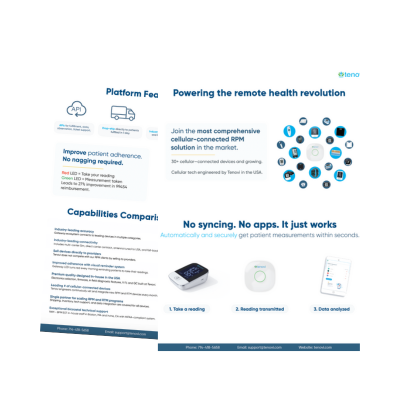
Tenovi’s approach addresses this at the device and data level. The cellular-connected blood pressure monitor transmits each reading automatically to the care team, and program devices are built and maintained for clinical use rather than assembled from unvalidated retail stock. Reliable measurement, delivered consistently, is what makes the downstream clinical decisions trustworthy. The goal is patient-centered: accurate home data supports earlier intervention and steadier blood pressure control, which reduces the strokes, heart attacks, and hospitalizations that uncontrolled hypertension drives.
Frequently Asked Questions
1) How often should a blood pressure monitor be calibrated?
Clinical practice generally assumes a new monitor is accurate for about two years, then recommends annual accuracy checks. Manufacturers often advise recalibration every one to two years. Check sooner if the device has been dropped or its readings conflict with clinic measurements.
2) What is the difference between calibration and validation?
Validation is a one-time clinical study proving a device model is accurate across a population before it reaches the market. Calibration is the ongoing check that confirms an individual unit still reads correctly over time. A validated device can still drift out of calibration.
3) Can I calibrate a blood pressure monitor at home?
Not in the technical sense. True calibration requires comparison against a calibrated reference manometer, usually done by the manufacturer or a biomedical technician. Patients can perform a clinical accuracy check by comparing their device to a validated clinic monitor and reporting large differences to their care team.
4) How do I know if my blood pressure monitor is accurate?
Start by confirming the model appears on the US Blood Pressure Validated Device Listing at validatebp.org. Then compare its readings against a validated device at a clinic visit. A consistent difference beyond a few mm Hg suggests the device needs service or replacement.
5) Do blood pressure monitors lose accuracy over time?
Yes. Sensors and mechanical parts drift with repeated use, handling, and age. Studies of patient-owned devices found that older monitors passed accuracy testing at lower rates than newer ones, with many failures coming from devices that overestimated blood pressure.
6) Why does calibration matter for hypertension diagnosis?
Because a small measurement error can move a reading across a diagnostic threshold. An uncalibrated device that reads high can lead to overdiagnosis and unnecessary treatment, while one that reads low can miss hypertension that needs care.
Understanding Blood Pressure Monitor Calibration
Blood pressure monitor calibration is the maintenance that keeps a device reading true after validation proved the model accurate to begin with. Challenges happen when devices drift with age and use, real-world data show a meaningful share of patient-owned monitors fail accuracy testing, and the practical rule is to start with a validated device, verify it against a clinic reference, and recheck accuracy on a schedule. Calibration and validation work together: one proves the model, the other maintains the unit.
Tenovi provides cellular-connected blood pressure monitors and other remote patient monitoring devices that transmit readings automatically to care teams, with no Wi-Fi or smartphone required. If your organization is building or scaling a remote monitoring program, contact us for a free demo and consultation to see how reliable, program-grade devices support accurate care.