Medicare and Medicaid patients with two or more chronic conditions that put their health at risk and worsen their quality of life are eligible for chronic care management (CCM) services. Managing chronic conditions can be challenging. However, chronic care management in 2026 continues to evolve with innovative technologies and a growing emphasis on patient-centered care.
Understanding CCM Medicare coverage and available resources can aid in managing chronic conditions. In this article, we delve into the basics of CCM and explore the latest advancements shaping the field.
Understanding Chronic Care Management in 2026
Chronic care management involves comprehensive, coordinated efforts of healthcare providers to manage the ongoing care of individuals with chronic conditions that are expected to last beyond one year. These conditions often require long-term monitoring, lifestyle modifications, medication adherence, and regular medical interventions to prevent complications and optimize patient outcomes. Chronic conditions may be arthritis, asthma, cancer, depression, diabetes, hypertension, heart disease, and other conditions.
With CCM, patients receive assistance with medication management, 24/7 access to support, medication reviews, and help with other chronic care needs. Key components of chronic care management include:
- Care Coordination: Regular communication and sharing of medical information among healthcare professionals, specialists, caregivers, and patients.
- Continuous education: Empowering patients with knowledge about their condition, self-care strategies, medication management, diet, exercise, and lifestyle modifications.
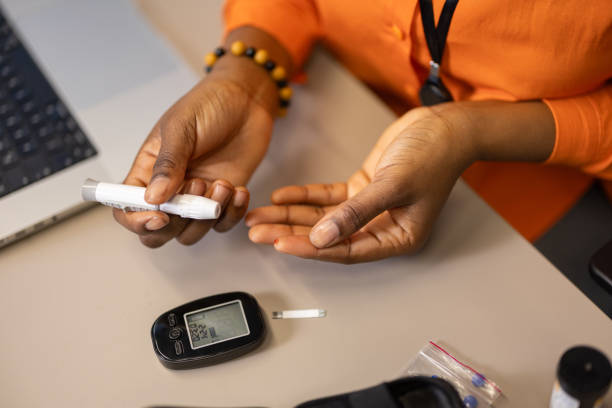
- Consistent monitoring: Remote patient monitoring devices track patients’ vital signs, detect early warning signs, and intervene promptly when necessary.
- Team-based care: Involving physicians, pharmacists, dietitians, and psychologists ensures care that addresses the physical, emotional, and social aspects of chronic conditions.
Innovations in Chronic Care Management
As we step into 2026, several innovative approaches are revolutionizing chronic care management:
- Artificial intelligence and predictive analytics: AI-powered algorithms can analyze vast amounts of patient data to identify health patterns and disease progression and personalize treatment plans. Predictive analytics enable proactive interventions to reduce the risk of complications and hospitalizations.
- Telehealth and virtual care: Telehealth platforms allow patients to access healthcare services remotely. This offers convenience and improves access to care, especially for patients in rural or underserved areas. Virtual visits are used for regular check-ins, medication management, and support from healthcare providers.
- Remote patient monitoring (RPM) technology: Remote patient devices monitor physiological parameters and send real-time data streams to healthcare providers for analysis. These technologies promote self-awareness, encourage healthy behaviors, and enable early intervention in case of deviations from normal health parameters.
- Personalized medicine: Genomics and precision medicine advances enable tailored treatment approaches based on individuals’ genetic makeup, disease characteristics, and response to therapy.
Chronic Care Management 2026: Challenges and Opportunities
Despite the progress in chronic care management, several challenges persist.
- Healthcare disparities: Opportunities exist to address inequities in access to care, socioeconomic factors, health literacy, and cultural barriers contributing to inequalities in chronic disease outcomes.
- Data privacy and security: Ensuring the privacy and security of patient information is paramount. Robust cybersecurity measures and adherence to regulatory guidelines are essential to safeguard sensitive health data.
- Care continuity and transitions: Seamless transitions between healthcare settings, such as hospitals, primary care clinics, and home care, are critical in continuity of care and preventing gaps in treatment.
Chronic care management in 2026 continues advancing, focusing on a personalized, patient-centered approach. As we navigate the complexities of chronic care management in 2026, CCM services remain focused on ensuring that patients receive the support and care needed to promote a healthier and more fulfilling life.
Maximizing Revenue with CCM and RPM
One of the most significant shifts in 2026 is the financial synergy between CCM and RPM. For the same patient, a practice can often bill for both services, provided the time requirements are met separately.
-
Dual Reimbursement: While CCM CPT 99490 covers the coordination of care, RPM CPT 99454/99457 covers the device supply and the time spent reviewing physiological data.
-
New 2026 Efficiency Codes: With the introduction of CPT 99470 (reimbursement for 10 minutes of monitoring), practices can now capture revenue for smaller increments of care that were previously “lost” time.
-
Practice ROI: Integrating these services can generate upwards of $120–$150 per patient, per month in recurring revenue, while simultaneously reducing the high cost of emergency room visits and hospital readmissions.
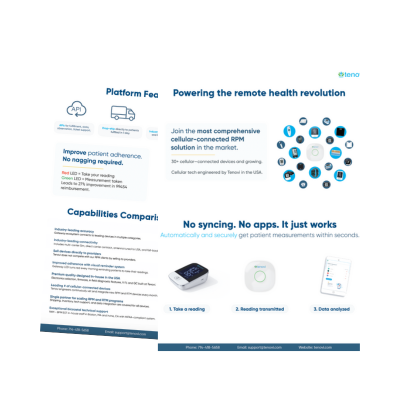
Tenovi remote patient monitoring offers accurate, easy-to-use solutions that boost workflow efficiency, patient satisfaction, and revenue. Introduce your healthcare partners to a better remote patient monitoring experience. Book a free RPM demo today.