Remote patient devices give care teams a practical way to track patient health between visits. These FDA-cleared tools capture vital sign data at home and send it to the care team, supporting better provider-patient interaction while easing clinical staff workload. This article outlines five advantages of remote patient devices for providers, practices, and the patients they serve.
Remote patient devices help monitor hypertension, diabetes, heart failure, and many other chronic and acute conditions. With remote patient monitoring (RPM), patients share daily vital sign readings with their care team. The device transmits this data automatically, so a clinician can review readings, spot trends, and adjust the care plan when something looks off. For a patient with high blood pressure, that steady flow of data can surface a concerning pattern well before the next scheduled appointment.
These devices can track a range of health metrics, including weight, blood glucose, and oxygen saturation. A 2025 systematic review and meta-analysis in Medicine Advances found that remote monitoring significantly improved glycemic control in people with diabetes, lowering both HbA1c and fasting blood glucose compared with standard care. Evidence like this continues to support remote patient monitoring as an effective care model for chronic disease.
Remote Patient Devices and Connectivity
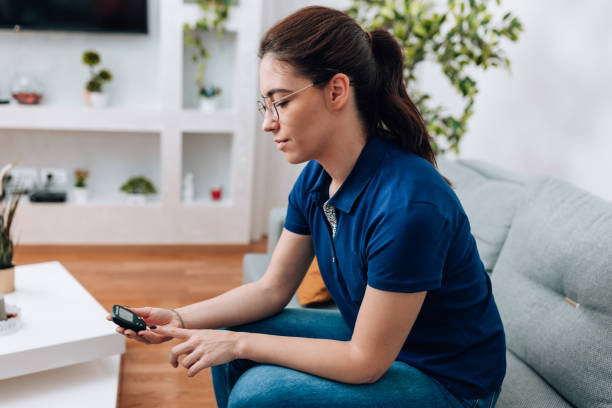
Remote patient devices are especially useful for patients in rural communities and those with limited mobility. A cellular-connected device removes the biggest setup hurdle: it works without home Wi-Fi, a smartphone, or Bluetooth pairing. The patient takes a reading, and the data moves to the care team on its own.
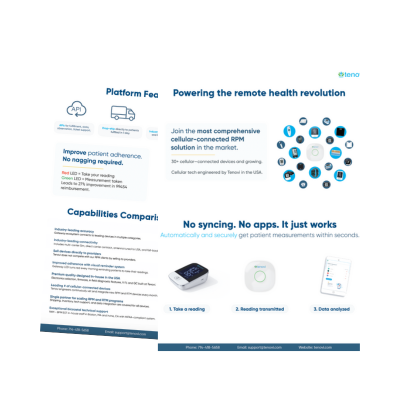
Tenovi remote patient monitoring devices connect through the Tenovi Gateway, a cellular hub that pairs with FDA-cleared peripherals out of the box. Readings flow into a HIPAA-compliant cloud platform where care teams can view data, set thresholds, and pull the reports they need. That reliable connection matters most for the patients who are hardest to reach through traditional care.
Reducing Provider and Staff Stress
One advantage of remote patient devices is workflow efficiency. Once patients set up their devices at home, readings are collected and transmitted on a schedule, and that data lands in the monitoring platform without manual entry. At first glance this can look like more work for a busy care team.
In practice, remote patient monitoring lets clinicians spend more time on patients who need attention. RPM eases the load from administrative tasks, patient enrollment, and claims support. The billing clinician does not have to personally manage every step of the workflow; qualified staff can handle much of it under general supervision.
Working with an established remote patient monitoring company can lighten the lift further. A partner whose staff already knows RPM procedures makes for a smoother rollout, so a practice is not building a program from scratch.
Increased Revenue Through Better Care
Remote patient devices give practices a way to support patients between visits while opening an additional revenue stream. Because monitoring is proactive, clinicians are pulled in when their expertise is actually needed, and problems can be caught earlier, when they are easier and less costly to treat.
The Centers for Medicare and Medicaid Services (CMS) reimburses providers for remote patient monitoring services each month. Historically, billing CPT code 99454 required at least 16 days of device readings within a 30-day period. The 2026 Physician Fee Schedule added flexibility here: CMS introduced a new device code covering shorter monitoring periods of 2 to 15 days, so practices can bill for patients who log fewer readings. Remote patient monitoring companies like Tenovi support partners with the infrastructure to capture this data accurately and keep programs audit-ready.
It helps to keep the framing patient-first. RPM is preventive care that catches issues early. The revenue follows because the model keeps patients healthier and out of the hospital.
Remote Patient Devices and Patient Satisfaction
Once remote patient devices are set up, patients transmit readings to their care team on a regular basis. Many patients report higher satisfaction simply knowing their condition is being watched and that someone will notice if a reading looks wrong. That reassurance supports engagement from both patients and caregivers.
Threshold alerts add another layer. When a reading falls outside the range a clinician has set, the care team is notified so they can follow up promptly. Remote patient monitoring can be especially valuable for post-operative patients, allowing earlier discharge with continued monitoring at home.
Technical Support and Training
Proper training is essential for using remote patient devices accurately. RPM and HIPAA compliance can be complex, and support teams need to understand both. Tenovi provides HIPAA-compliant technical support to partners and their patients, and works to keep daily measurement data accurate and dependable.
Tenovi helps bridge the gap between telehealth platforms, chronic care management companies, RPM software companies, and their healthcare partners. Through our channel partners, we provide access to accurate, FDA-cleared devices for chronic and acute care patients, so care teams can generate revenue while protecting time for the work that needs a clinician.
Frequently Asked Questions About Remote Patient Devices
1) What conditions can remote patient devices monitor?
Remote patient devices monitor a wide range of chronic and acute conditions, including hypertension, diabetes, heart failure, and respiratory conditions. Common device types include blood pressure monitors, weight scales, pulse oximeters, and blood glucose meters.
2) Do remote patient devices need Wi-Fi or a smartphone?
Not always. Cellular-connected devices, like those that pair with the Tenovi Gateway, transmit readings over a cellular network without home Wi-Fi, Bluetooth pairing, or a smartphone. This makes them a good fit for older patients and rural communities.
3) How does Medicare reimburse remote patient monitoring?
CMS reimburses several RPM CPT codes each month, covering device supply, data transmission, and clinical time. For 2026, CMS added flexibility for shorter monitoring periods, so providers are no longer limited to the longstanding 16-day data requirement to bill for device use.
4) Are remote patient devices required to be FDA-cleared?
CMS defines a qualifying device as a medical device under the FDA definition. Many care teams choose FDA-cleared devices to support accuracy and data quality. Tenovi provides FDA-cleared devices to its channel partners.
Understanding Remote Patient Devices
Remote patient devices give care teams accurate, connected tools to monitor patients at home, reduce staff burden, and support an additional revenue stream through proactive, preventive care. Across chronic conditions like hypertension and diabetes, the evidence continues to show that remote patient monitoring improves outcomes while keeping patients engaged in their own care. For rural and limited-mobility patients in particular, a reliable cellular connection can be the difference between a program that works and one that stalls at setup.
Tenovi provides cellular-connected remote patient monitoring infrastructure to channel partners, including RPM software companies, chronic care management companies, telehealth platforms, and health systems. If you are building or scaling a remote patient monitoring program, contact us for a free demo and consultation to see how our devices and Gateway can fit your workflow.