A Digital health study often aims to answer an underlying question often in the area of technology delivered outside of office visits. For providers weighing whether to invest in remote patient monitoring, telehealth, or connected devices, research is vital in the decision making process. Digital health studies provide data, showing if tools work, for whom, and under what conditions, and a single well-designed digital health study can provide answers to many questions.
This guide pulls together what the digital health studies say. We look at how digital health study findings translate into fewer hospitalizations, better support for older adults, smarter care at home, and stronger chronic disease control, and we’re honest about the questions the evidence hasn’t fully answered yet.
What Is a Digital Health Study?
A digital health study is peer-reviewed research that evaluates technology-enabled care, including remote patient monitoring, mobile health apps, wearables, AI-supported platforms, and telemedicine, against real clinical and economic outcomes. These studies range from single-site pilots to large systematic reviews and meta-analyses that pool results across thousands of patients.
The reason to read them closely is simple: a single glowing anecdote proves nothing, but a digital health study built on controlled comparisons and standardized measures can tell you whether an intervention reduces readmissions, lowers A1c, or improves quality of life at a population scale. That distinction is what separates durable clinical strategy from marketing.
Why Digital Health Study Research Matters for Chronic Disease Management
Chronic conditions drive the majority of U.S. healthcare spending, and much of that cost concentrates in avoidable hospitalizations and gaps between visits. Remote patient monitoring aims to close those gaps by capturing physiologic data continuously and flagging problems before they escalate.
A 2025 analysis on the state of remote patient monitoring for chronic disease management in the United States, published in the Journal of Medical Internet Research, found that RPM has moved from novelty to mainstream tool, while identifying the real work still ahead: growing program enrollment, tailoring programs to specific conditions, integrating new data streams into existing IT systems, and quantifying outcomes rigorously. In other words, the technology is proven enough to scale, and the field is now focused on doing it well.
Preventing Hospitalizations and Improving Survival
Some of the most compelling digital health study evidence centers on keeping patients out of the hospital.
An “Innovative Disease Management” framework described in Bioelectronic Medicine highlighted how biosensors, wearables, and AI-supported platforms can enable real-time data capture, predictive risk modeling, and tighter coordination across care teams. The paper cited evidence that optimized frameworks could reduce hospitalizations by up to 58% for conditions like heart failure, increase one-year survival by up to 26% for certain groups, and generate substantial economic value, including productivity gains estimated to add tens of billions of euros to EU GDP.
More recent work reinforces the direction. A 2025 meta-analysis in the European Journal of Heart Failure pooled data across many programs and found that remote patient monitoring reduced heart-failure-related hospitalizations by roughly 20% (risk ratio 0.80), with implantable hemodynamic monitoring showing an even larger effect (risk ratio 0.72). The takeaway is consistent across a decade of research: structured monitoring paired with responsive care teams changes the trajectory of high-risk patients.
Supporting Older Adults and Aging in Place
Older adults living with chronic disease stand to gain the most from remote care, and the digital health study literature increasingly bears that out.
A systematic review published in Sustainability analyzed adoption patterns, health impacts, and user feedback across digital health interventions for older populations, and found increasingly positive attitudes toward telehealth and mHealth for preventive care, chronic disease management, and age-related conditions. Newer meta-analyses go further: a 2025 review in Frontiers in Aging pooling 15 randomized controlled trials (more than 3,000 participants) found that digital health interventions significantly improved general and disease-specific quality of life, along with mental health, in older adults with chronic disease. A separate meta-analysis of frailty studies reported gains in frailty scores, grip strength, and cognitive function.
The consistent caveat: age, income, and geographic divides still limit equitable access. The tools work, but adoption depends on making them genuinely easy to use and building patient trust.
Smart, Connected Care at Home
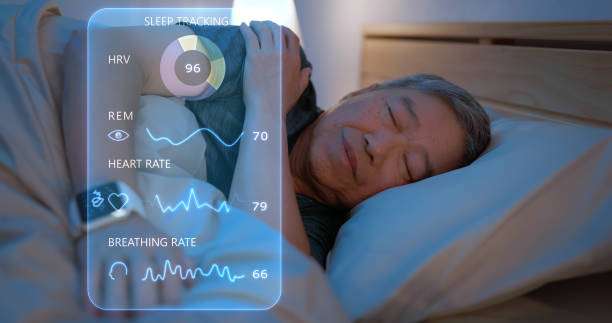
A digital health study focused on smart healthcare systems, published in DIGITAL HEALTH, reviewed remote sensors, wearable trackers, and networked devices for continuous physiologic monitoring and personalized feedback. Real-world implementations showed promise across heart disease, respiratory conditions, and other chronic illnesses, including better diagnosis, stronger treatment adherence, and fewer hospital visits.
The honest framing from that research still holds: these tools are not universally superior to traditional care in every scenario. Accuracy, accessibility, and fit for the specific patient population all shape results, which is exactly why the field keeps returning to rigorous evaluation rather than assuming benefit.
Improving Chronic Disease Control
Beyond hospitalizations, digital health study data increasingly shows measurable improvement in the clinical markers that define disease control.
In diabetes, a 2025 remote patient monitoring program published in Frontiers in Endocrinology reported an average drop in hemoglobin A1c from 10.4% to 7.0% among patients who completed the program, a clinically dramatic shift for people who had struggled to reach target on standard care. Results like these mirror a broader body of evidence linking consistent home monitoring and timely feedback to better glycemic control, especially in the first months of engagement.
What a Digital Health Study Can’t Tell Us Yet
Reading this research well means respecting its limits. Across the literature, the same open questions recur: many promising findings still rest on small or short-duration studies that need larger, better-controlled trials with standardized measures to confirm. Health data interoperability, reimbursement for newer interventions, and clean integration into clinical workflows remain unresolved barriers. And equity gaps mean the patients who could benefit most are sometimes the least likely to have access.
None of this undercuts the core finding. It simply defines the frontier where the next generation of research, and thoughtful program design, needs to focus.
Turning Digital Health Study Findings Into Practice
The through-line across this body of research is that technology alone doesn’t produce outcomes; technology plus a responsive care model does. The programs that lower hospitalizations and improve A1c are the ones that pair reliable devices with clinical teams who act on the data.
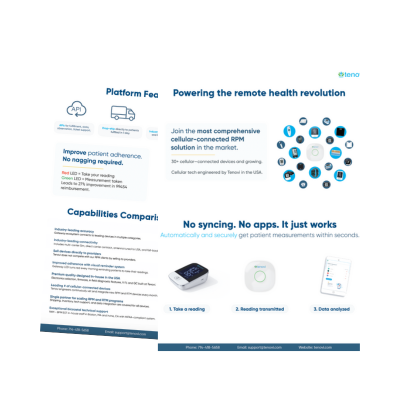
That’s the model remote patient monitoring is built to support. Cellular-connected devices that require no apps, no Bluetooth pairing, and no home Wi-Fi remove the access barriers the research keeps flagging, so monitoring reaches older, rural, and underserved patients rather than only the tech-comfortable. When the data flows automatically and the care team can respond quickly, the outcomes documented in the literature become achievable in everyday practice.
The Way Forward
The weight of digital health study evidence points in a clear direction: mHealth, telemedicine, wearable, and AI-supported solutions can make chronic disease management more proactive, personalized, and patient-centered. As the technology matures, principled design and rigorous evaluation will decide whether those benefits reach the people who need them most.
For providers and RPM organizations, the practical question is no longer whether remote monitoring works, but how to implement it well. If you’re building or scaling a chronic care, telehealth, or remote patient monitoring program, explore Tenovi’s RPM solutions and book a free demo to see how connected devices and a clean data pipeline fit your workflow.