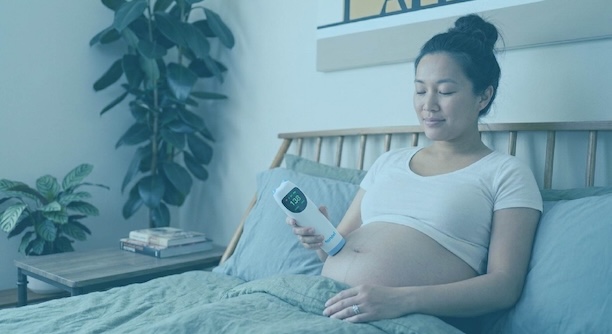
Remote blood pressure monitoring postpartum is a practical, evidence-backed way to protect new mothers during the weeks after delivery. This is a period clinicians increasingly call the fourth trimester. For patients who experienced a hypertensive disorder of pregnancy, blood pressure can spike days after they leave the hospital, before their first scheduled follow-up visit. Remote monitoring closes that gap, and a growing body of research shows it improves follow-up rates, reduces disparities, and may prevent serious complications.
This article looks at postpartum blood pressure monitoring, what clinical guidelines recommend, and what the latest studies say about remote monitoring’s impact on maternal outcomes.
Why the Postpartum Period Is a Critical Window
The risk to mothers does not end at delivery. According to CDC Maternal Mortality Review Committee data, 53% of pregnancy-related deaths occur between one week and one year after delivery. It is important to note that more than 80% of all pregnancy-related deaths are considered preventable.
Hypertensive disorders of pregnancy are a major driver of that risk, and they are becoming more common. Among delivery hospitalizations, the prevalence of hypertensive disorders of pregnancy rose from 13.3% to 15.9% between 2017 and 2019, and 31.6% of in-hospital delivery deaths had a hypertensive disorder documented. Preeclampsia alone occurs in roughly 1 in 25 pregnancies in the United States.
Postpartum hypertension can also appear for the first time after delivery. In one prospective study that screened more than 10,000 postpartum women, 8% received a new diagnosis of postpartum hypertension. Dangerous blood pressure elevations most often occur 3 to 6 days after delivery — a window when most patients are home, exhausted, focused on a newborn, and weeks away from their first postpartum appointment. Some estimates suggest postpartum hypertension affects as many as 20% of women after delivery.
This is exactly the problem remote blood pressure monitoring postpartum is designed to solve: catching a dangerous trend at home, in real time, before it becomes an emergency room visit or a readmission.
What Clinical Guidelines Recommend
The American College of Obstetricians and Gynecologists (ACOG) recommends that patients with hypertensive disorders of pregnancy have blood pressure monitored for the first 72 hours postpartum, with a repeat blood pressure check within 7 to 10 days after delivery.
More recent expert guidance goes further. A 2026 expert convening on postpartum blood pressure monitoring and management recommends that all patients with hypertensive disorders of pregnancy be sent home with a blood pressure device and education at discharge, and monitor their blood pressure at least once daily for a minimum of two weeks postpartum.
Traditional office-based follow-up struggles to meet these targets. Between newborn appointments, recovery, transportation, and childcare, many mothers simply cannot make it back to the clinic within a week of discharge. Remote monitoring — pairing patients with a connected blood pressure cuff and a care team reviewing readings — turns those guidelines into something achievable.
Research About Remote Blood Pressure Monitoring Postpartum
The evidence base has grown considerably in the past few years, and the results are consistent across study designs.
Better Follow-Up Rates
In a randomized controlled trial published in Obstetrics & Gynecology, patients with pregnancy-related hypertension who were assigned to remote monitoring achieved blood pressure ascertainment within 10 days of discharge 91.7% of the time, compared with 58.4% for in-office surveillance.
A 2025 systematic review and meta-analysis spanning 18 studies and 28,094 patients reached a similar conclusion: postpartum remote blood pressure monitoring in women with an established hypertensive disorder of pregnancy led to greater compliance with the guideline-recommended 10-day follow-up, with no increase in unscheduled hypertension-related visits or readmissions.
Fewer Adverse Outcomes and Lower Costs
Penn Medicine’s Heart Safe Motherhood program — a text-based remote blood pressure monitoring program used in the first 10 days after delivery — offers some of the strongest outcomes data to date. In a multi-year study published in Obstetrics & Gynecology, every measured complication, including stroke, eclampsia, HELLP syndrome, and heart damage, occurred less frequently in the remote monitoring group over the six months after delivery. Participants also had fewer emergency room visits and readmissions and saved an average of $100 per patient in total healthcare costs.
Closing Equity Gaps in Maternal Care
Maternal mortality is approximately three times higher for Black women in the United States, and disparities in postpartum follow-up are one contributing factor. Remote monitoring shows real promise here: Penn’s program eliminated the racial disparity in postpartum blood pressure ascertainment between Black and non-Black patients. When monitoring comes to the patient instead of the other way around, access barriers like transportation and childcare matter far less.
A Health System Example: WellSpan’s Postpartum Monitoring Program
Research published in The American Journal of Maternal/Child Nursing describes how WellSpan Health implemented remote blood pressure monitoring postpartum across five maternity hospitals. Patients diagnosed with a hypertensive disorder were sent home with an automatic blood pressure cuff and asked to record daily readings.
Over two years, 1,260 patients enrolled, and 74% submitted seven or more blood pressure readings. Critically, 9% of participants recorded at least one critical blood pressure reading (≥150 mmHg systolic or ≥100 mmHg diastolic) — elevations that might otherwise have gone undetected until symptoms escalated.
Patient experience was just as encouraging. Among those surveyed, 93% found the blood pressure monitor easy to use, 92% felt the care team clearly explained the program, and 70% said the program gave them extra peace of mind during their first weeks at home.
How Remote Blood Pressure Monitoring Postpartum Works
A typical program is simple by design. Before discharge, the patient receives a connected blood pressure cuff and instructions to take readings once or twice daily. Each reading transmits automatically to the care team, which reviews values against escalation thresholds. If a reading crosses the line, the team responds — adjusting medication, scheduling a telehealth visit, or directing the patient to in-person care.
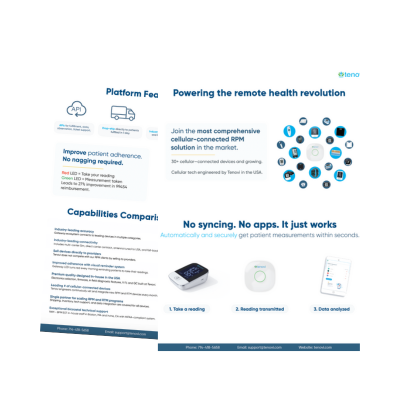
The technology matters more than it might seem. App-based programs work well for many patients, but they can exclude those without smartphones or reliable Wi-Fi — often the same patients at highest risk. Cellular-connected devices, like those in Tenovi’s remote patient monitoring device ecosystem, transmit readings through a cellular gateway with no app, pairing, or home internet required, which removes one more barrier between a new mother and her care team.
Remote monitoring in maternal health also extends beyond the postpartum window — programs increasingly support remote pregnancy monitoring during the antenatal period, hypertension management during pregnancy, and even remote patient monitoring for newborns.
The Bottom Line
The research on remote blood pressure monitoring postpartum points in one direction: it helps care teams meet guideline-recommended follow-up, catches dangerous blood pressure trends earlier, reduces disparities in who gets monitored, and does it all without increasing readmissions or costs. With more than 80% of pregnancy-related deaths considered preventable, few interventions offer this much impact for this little friction.
For health systems, payers, and digital health companies building maternal health programs, the path forward is increasingly clear — and the technology to support it already exists. Connect with Tenovi to learn how cellular-connected blood pressure monitoring can support your postpartum hypertension program.