Cardiovascular disease (CVD) remains the leading cause of death globally, with its prevalence rapidly increasing in the United States due to factors such as aging populations and rising obesity rates. As highlighted in an updated report by Sg2, remote patient monitoring in cardiology has become a necessity for health systems facing an unprecedented surge in demand for care.
By 2034, experts project a significant uptick in cardiovascular needs, with inpatient cardiology procedures expected to rise by 8% and outpatient procedures surging by 25%. Innovative solutions like remote patient monitoring in cardiology are aiding health systems in meeting this demand while improving patient outcomes in chronic conditions such as hypertension, diabetes, and obesity.
The Rising Demand for Cardiovascular Care
The current “looming crisis” in heart care is fueled by a growing population of older adults and increasing risk factors such as hypertension, diabetes, and obesity. By 2050, the American Heart Association estimates that cardiovascular disease could cost the U.S. nearly $1.8 trillion annually, with over 61% of the adult population expected to have some form of CVD.
For instance, severe aortic stenosis cases are rising significantly, driven by expanded treatment indications for procedures like TAVR (transcatheter aortic valve replacement). Without the integration of remote patient monitoring in cardiology, hospitals risk being overwhelmed by the financial and operational burden of these complex cases.
Hospitals are currently grappling with capacity constraints that threaten to delay life-saving interventions. Without strategic shifts toward remote patient monitoring in cardiology, these challenges may worsen:
- Cath Lab Utilization: Catheterization labs are nearing operational limits. Despite a projected 49% increase in demand for valve procedures, expansion of physical infrastructure remains stagnant.
- Staffing Shortages: Critical shortages of cardiac surgeons, nurse navigators, and technicians make traditional, in-person monitoring difficult to sustain.
- Delayed Interventions: Longer wait times often lead to emergent cases, which require more intensive resources and result in extended hospital stays.
The following section addresses how remote patient monitoring in cardiology offers a solution to this challenging healthcare landscape.
Role of Remote Patient Monitoring in Cardiology
Remote patient monitoring in cardiology has emerged as a transformative approach to managing chronic conditions like heart failure. Heart failure currently affects nearly 6.7 million Americans, a number projected to reach 8.7 million by 2030.
By leveraging technology, remote patient monitoring enables continuous monitoring of critical health metrics, allowing for early intervention before complications escalate.
Case Study: UMass Memorial Health
UMass Memorial Health utilized remote patient monitoring in cardiology to achieve a 50% reduction in 30-day readmissions for heart failure patients. By using connected weight scales and blood pressure monitors, their team can catch subtle changes—like a 3-pound weight gain indicating fluid retention—and adjust medications remotely.
Improved Chronic Disease Management
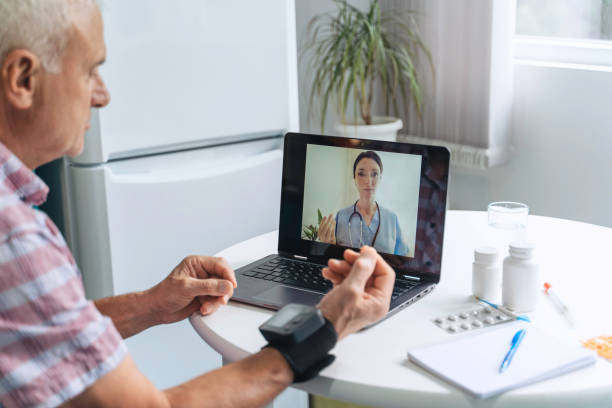
Remote patient monitoring in cardiology allows healthcare providers to monitor more patients simultaneously without compromising quality. This digital “safety net” helps mitigate staffing shortages and maximizes the efficiency of existing resources.
- Proactive Interventions: Catching abnormal vitals before they become emergencies.
- Reduced Readmissions: A recent 2026 meta-analysis in medRxiv confirmed that RPM significantly reduces all-cause mortality and heart failure hospitalizations.
- Enhanced Engagement: Patients feel more connected to their care teams, leading to better medication adherence.
Understanding Remote Patient Monitoring in Cardiology
Remote patient monitoring in cardiology offers a promising way to address the rising tide of cardiovascular disease. By integrating RPM into care strategies alongside investments in workforce development, healthcare providers can ensure sustainable, high-quality care.
As we move through 2026, the shift toward “always-on” AI-assisted monitoring ensures that the gap between doctor visits is finally closed, turning a reactive crisis into a proactive journey toward heart health.