Remote therapeutic monitoring (RTM) is widely used for musculoskeletal and respiratory conditions to track symptoms, medication use, and response to treatment. In outpatient behavioral health, RTM also supports schizophrenia medication adherence and complements cognitive behavioral therapy (CBT). This article explores the research and the practical role of remote therapeutic monitoring of schizophrenia, with a focus on smart pillbox technology and updated billing rules for 2026.
Remote Therapeutic Monitoring of Schizophrenia
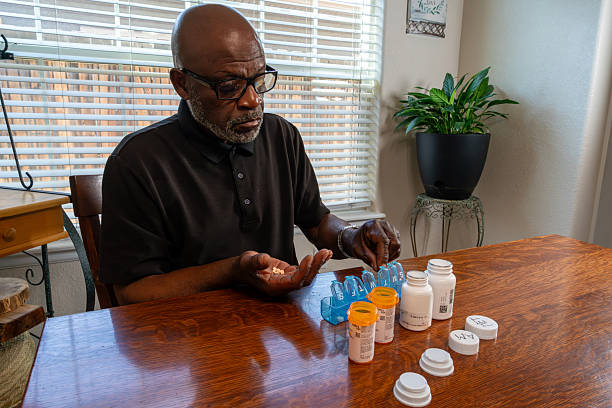
Medication non-adherence is a significant challenge in schizophrenia management, with reported rates ranging from 26.5% to 85.1%. Non-adherence can lead to distress, symptom relapse, rehospitalization, and higher morbidity and mortality. Research consistently links missed regimens to a greater risk of psychotic episodes and functional decline.
The reverse is also true. Consistent medication adherence reduces rehospitalization risk, improves physical health, supports quality of life, and lowers healthcare costs. Remote therapeutic monitoring of schizophrenia helps address non-adherence by using digital tools to track medication use and give providers timely data to act on.
Traditional strategies for improving adherence, such as patient and family education, motivational interviewing, and behavioral approaches, have shown mixed results on their own. Advances in remote therapeutic monitoring devices, including smart pillboxes and mobile apps, add an objective, real-time layer to those efforts.
What the Research Shows
The evidence for digital adherence tools in serious mental illness has grown stronger. A 2025 randomized controlled trial published in npj Digital Medicine studied 142 patients with serious mental disorders at a community mental health center. Patients using a digital medication monitor, paired with a mobile app and audio reminders, showed significantly better adherence than those receiving usual care. The most common reason for non-adherence was simply forgetting to take medication, which timely reminders directly address.
A 2026 mixed-methods trial in the Journal of Medical Internet Research tested a narrative-based digital psychoeducation tool for people with schizophrenia in the maintenance phase. It found good usability and preliminary improvements in medication adherence and attitudes toward treatment. Together, these studies point to a clear direction: digital monitoring works best when it combines objective tracking with patient engagement.
Smart Pillboxes for Remote Therapeutic Monitoring of Schizophrenia
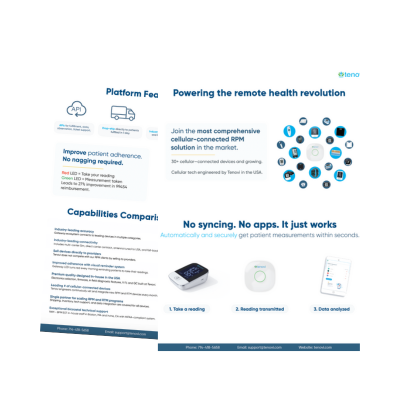
Smart pillboxes such as the Tenovi Pillbox show RTM’s potential to support schizophrenia medication adherence. These devices track adherence by recording when a compartment is opened, closed, or refilled. The event data transmits over a cellular network to healthcare providers for monitoring and timely intervention.
A pilot study among primary care patients evaluated the acceptability of smart pillboxes. It found that 70.6% of participants were interested in using one. Patients with a history of missed doses were 2.4 times more likely to express interest, and those taking multiple daily medications were also more willing to use one.
A smart pillbox gives providers real-time insight into patient behavior, which enables interventions that can reduce symptom relapse and improve outcomes. Providers can bill for these services using specific RTM CPT codes.
RTM CPT Codes and Schizophrenia Medication Adherence
Remote therapeutic monitoring uses a defined set of CPT codes that reimburse monitoring services such as medication adherence tracking and therapy response. The 2026 Physician Fee Schedule delivered the largest RTM expansion since the program began, adding new codes for shorter monitoring periods and lighter-touch management time.
Key billing points for 2026 include:
- CPT 98975: Initial setup and patient education, billed once per episode of care (about $22).
- Treatment management (98980, 98981): Cover the first 20 minutes and each additional 20 minutes of monitoring and interactive communication per calendar month (about $54 and $41).
- CPT 98979 (new for 2026): Recognizes 10 to 19 minutes of treatment management, allowing reimbursement for shorter engagement (about $26).
- Device requirements: RTM devices must be FDA listed to qualify for reimbursement.
- Coverage variability: Rates depend on payer policy, so verify coverage in advance.
Because behavioral health RTM is still maturing, providers should confirm which codes their payers apply to adherence monitoring and CBT support before enrolling patients.
Frequently Asked Questions
1) What is remote therapeutic monitoring of schizophrenia?
Remote therapeutic monitoring of schizophrenia uses digital tools, such as a smart pillbox, to track medication adherence and therapy response outside the clinic. Providers receive real-time data so they can intervene early to reduce relapse and rehospitalization.
2) How does a smart pillbox improve schizophrenia medication adherence?
A smart pillbox records when a patient accesses medication and transmits that data to providers. Because forgetting is the most common reason for non-adherence, reminders and real-time tracking help patients stay on their regimen.
3) Is remote therapeutic monitoring reimbursable in 2026?
Yes. RTM is reimbursed under CPT codes such as 98975, 98980, and 98981, with new codes added in 2026 for shorter monitoring and management periods. Reimbursement depends on payer policy and FDA-listed devices.
Understanding Remote Therapeutic Monitoring of Schizophrenia
Remote therapeutic monitoring of schizophrenia is a proactive, data-driven response to the ongoing challenge of medication non-adherence in behavioral health. A smart pillbox lets providers monitor adherence in real time and act quickly to reduce the risk of relapse and rehospitalization. Beyond tracking, RTM offers insight into behavioral patterns that can help personalize care. As the evidence base grows and billing pathways expand in 2026, RTM’s role in schizophrenia medication adherence continues to widen.
Tenovi works exclusively with companies that offer remote monitoring to healthcare providers, including behavioral health, chronic care management, and telehealth partners. Our cellular-connected Tenovi Pillbox and no sync, no app devices transmit adherence data automatically through the Tenovi Gateway. Book a free demo and consultation with Tenovi today.