The American Diabetes Association (ADA) released its 2026 Standards of Care in December 2025. The ADA CGM guidelines in that edition widened who should use continuous glucose monitoring (CGM). Several studies have also examined how CGM affects glycemic control in type 2 diabetes. The 2027 Standards of Care are expected in December 2026, so parts of this guidance may change. For remote patient monitoring (RPM) programs, the current guidance raises a practical question about how to bring glucose data in.
This article covers what the ADA changed in 2026, what recent research says, and what it means for RPM programs. It also notes when the next edition is due and where to look when it arrives. It ends with common questions.
ADA CGM Recommendations for 2026
The ADA’s 2026 Standards of Care recommend CGM at diabetes onset and anytime after for people using insulin. They also cover people on other therapies that can cause hypoglycemia. The recommendation extends to any diabetes treatment where CGM helps with management.
The change is easiest to see against the 2025 Standards of Care. That edition recommended CGM for people on insulin. It asked clinicians to consider CGM for adults with type 2 diabetes on other therapies. The 2026 edition goes further. Adults with type 2 diabetes on noninsulin therapies fall under a direct recommendation instead of a suggestion to consider CGM.
Two other points matter for care programs. The guidance calls for education so patients can use their devices and understand the data. It also stresses uninterrupted access to CGM supplies once a patient starts.
The ADA updates the Standards of Care every year, and recent editions have come out in December. The 2027 edition is expected in December 2026. The ADA also revises the online version during the year when new evidence or regulatory changes call for it. When the 2027 edition arrives, the diabetes technology section is the place to check for CGM changes.
Research into CGM
Three studies published in 2026 and a 2024 pooled analysis looked at CGM in type 2 diabetes. Each used a different design, from a retrospective cohort to a randomized trial. Here is what each found.
RPM Paired With CGM at a Bronx Safety-Net Hospital
A 2026 study in Endocrine Practice compared a pilot RPM diabetes program with standard care. The setting was a safety-net hospital in the Bronx. Patients were adults with type 2 diabetes and an HbA1c above 8.5%. All had prescriptions for basal insulin and CGM. Those in the RPM program had monthly telemedicine visits with an endocrine specialist for three to six months.
HbA1c fell by 3.0 percentage points in the RPM group and 2.1 in the control group. The RPM group included 41 patients, and the comparison group included 766. In the RPM group, 58.5% reached the study’s HbA1c target of under 7.5%, compared with 36.2% of controls. The study was retrospective, so it shows an association rather than cause and effect.
CGM Started in Primary Care
A July 2026 cohort study in JAMA Network Open followed 8,502 adults with insulin-treated diabetes. The patients received care at 18 primary care clinics within Montefiore Medical Center in the Bronx. Primary care clinicians prescribed CGM to 28.1% of them.
At 12 months, HbA1c dropped 0.66 percentage points among patients who started CGM and 0.17 among those who did not. That gap of 0.49 points held through 24 months. Patients who started CGM also had fewer recurrent hospitalizations and emergency department visits.
The authors noted limits. The study was observational, and it tracked prescriptions rather than whether patients obtained and used the device. Hospital visits outside the Montefiore system may not have been captured.
A Randomized Trial in Type 2 Diabetes on Basal Insulin
The FreeDM2 trial, published in The Lancet Diabetes & Endocrinology in 2026, randomized 303 adults at 24 UK centers. Participants had type 2 diabetes treated with basal insulin plus other therapies, such as SGLT2 inhibitors or GLP-1 receptor agonists. They were assigned to real-time CGM or continued fingerstick testing.
The trial ran in two phases. Patients managed their own diabetes for the first 16 weeks, and clinicians supported treatment changes for the next 16. Investigators reported significantly greater HbA1c reductions with CGM at both 16 and 32 weeks, along with more time in range. The trial was open-label, so participants knew which method they were using.
What the Pooled Data Shows
A 2024 meta-analysis in Diabetologia pooled 12 randomized trials with 1,248 adults with type 2 diabetes. CGM lowered HbA1c by about 0.31 percentage points compared with fingerstick self-monitoring. Time in range rose by 6.36%, and time below range fell by 0.66%. Results were similar whether patients used insulin or only oral agents. The included trials were open-label and relatively short, lasting up to 52 weeks.
Time in Range
HbA1c reflects average glucose over the past few months. An average can hide frequent lows, so a patient may look well controlled on paper while still having hypoglycemia. Time in range shows the share of the day a patient spends within a target glucose range. That is one reason clinicians look at time in range alongside HbA1c.
What This Means for RPM Programs
More patients qualify for CGM under the 2026 ADA guidance. In the Bronx RPM study, the device was only one piece of the program. Patients also had monthly specialist visits built around their data.
For RPM programs, the next question is where glucose data will live. Many patients in cardiometabolic programs manage diabetes alongside high blood pressure or heart failure. Care teams need to see how those conditions move together without switching between portals. Our overview of remote glucose monitoring covers how connected readings reach the care team.
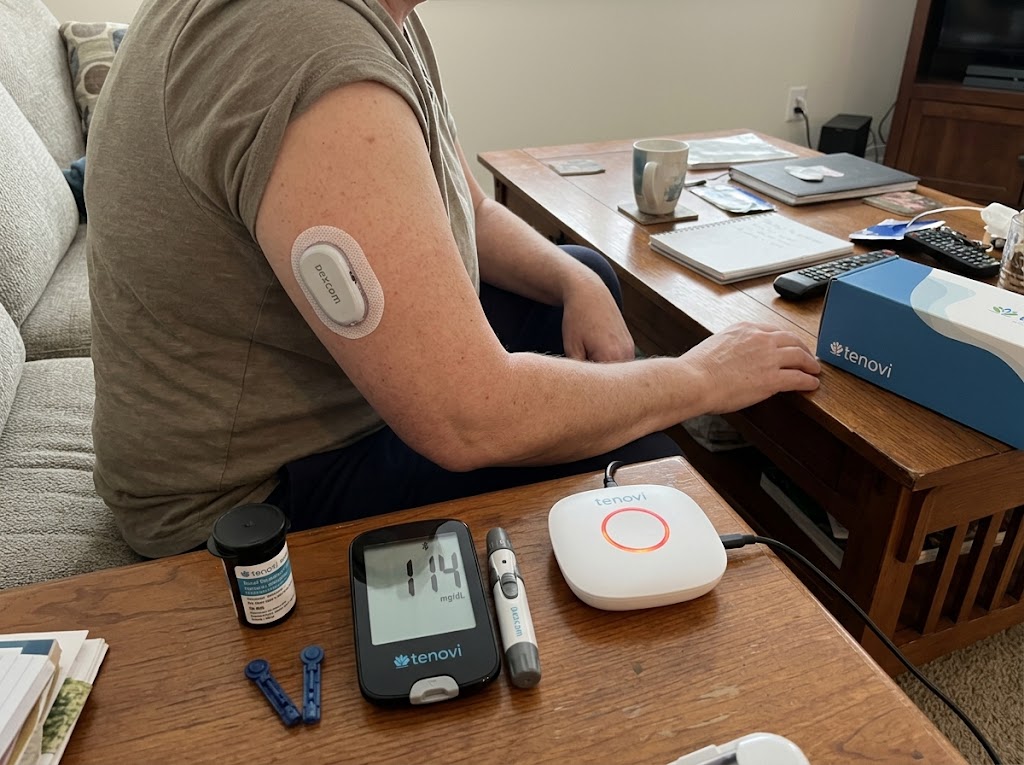
Not every patient will wear a CGM. Some prefer a meter, and some have coverage limits. Connected glucometers send each fingerstick reading to the care team automatically, and the Tenovi Cellular Glucometer works this way. Meters also bring ongoing costs for testing supplies, which programs should plan for.
Frequently Asked Questions
1) What was new for CGM in the ADA Standards of Care 2026?
The 2026 Standards of Care recommend CGM at diabetes onset and anytime after for people using insulin. They also cover people on other therapies that can cause hypoglycemia, and any treatment where CGM helps with management. The recommendation for adults with type 2 diabetes on noninsulin therapies is stronger than in the 2025 edition.
2) Does CGM improve outcomes in type 2 diabetes?
Several studies found improvements in glucose control. The FreeDM2 randomized trial reported lower HbA1c with real-time CGM than with fingersticks in adults on basal insulin. A 2024 meta-analysis of 12 trials found a modest HbA1c reduction and more time in range. Results vary, and several of these studies have limits noted above.
3) What did the Bronx RPM study find?
The study looked at adults with poorly controlled type 2 diabetes at a Bronx safety-net hospital. Those in an RPM program with CGM had a larger HbA1c drop than patients in standard care. In the RPM group, 58.5% reached the study’s HbA1c target of under 7.5%, compared with 36.2% of controls.
4) What if a patient doesn’t wear a CGM?
Connected glucometers send each fingerstick reading to the care team automatically. The Tenovi Cellular Glucometer works this way. Programs that include both meter and CGM users should plan for both from the start.
5) When will the 2027 ADA Standards of Care come out?
The ADA updates the Standards of Care every year, and recent editions have been released in December. The 2027 edition is expected in December 2026. Until then, the 2026 Standards, including any updates the ADA makes online, remain the current guidance.
6) Why look at time in range as well as HbA1c?
HbA1c reflects average glucose over time, so it can hide frequent lows. Time in range shows how much of the day a patient spends in the target range. Clinicians often review both when adjusting care.
Bringing Glucose Data Into Your RPM Program
The ADA’s 2026 Standards of Care widened who should be using CGM. Recent studies reported lower HbA1c and more time in range, and one observational study found fewer hospital visits. The 2027 edition is expected in December 2026, so programs should check the technology section for changes then. For RPM programs, glucose data is worth planning for in cardiometabolic care. A plan for patients who use meters instead of sensors needs attention up front too.
Tenovi is remote monitoring infrastructure for RPM software companies, chronic care management companies, telehealth platforms, health systems, payers, and pharmacies. One partner gives you more than 60 cellular-connected devices, including glucometers. We handle fulfillment, provisioning and support. Contact us for a free demo and consultation.