What Remote Glucose Monitoring Means for Diabetes Care
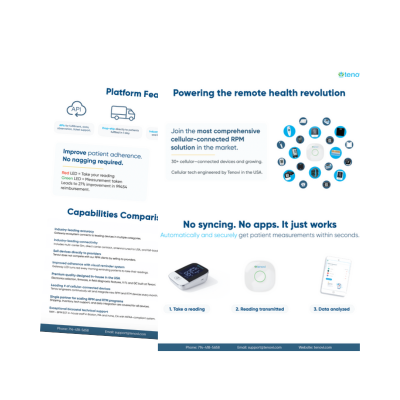
Remote glucose monitoring gives care teams a view of a patient’s blood sugar between office visits. A patient checks a reading at home. The meter sends it automatically. A clear set of steps helps a new patient get a first reading right, so we wrote a guide to using a cellular glucometer from test strip to transmitted result. The clinician sees it on a dashboard and can respond sooner. Diabetes asks a lot of people every day.
Remote glucose monitoring, delivered through remote patient monitoring (RPM), supports that daily work. It does not replace appointments. It gives each appointment better information.
This article explains how remote blood glucose monitoring works, what the research says, and which American Diabetes Association (ADA) targets matter most. It also covers the Tenovi Blood Glucose Meter and how patients use it at home.
Diabetes in the United States: Current Statistics
The numbers explain why remote glucose monitoring has drawn so much attention. According to the CDC, an estimated 40.1 million people in the United States had diagnosed or undiagnosed diabetes in 2023. That is 12.0% of the population.
About 29.1 million people had a diagnosis. Among adults with diabetes, 27.6% were undiagnosed, which represents roughly 11.0 million people. Another 115.2 million adults had prediabetes. Those figures describe a large group of people who need dependable ways to track their glucose. Between visits, that tracking happens at home.
How Remote Glucose Monitoring Works
A remote glucose monitoring program has four working parts. A connected meter takes the reading. A transmission path carries it to the care team. A dashboard displays it. A care plan tells everyone what to do next.
The Connected Meter
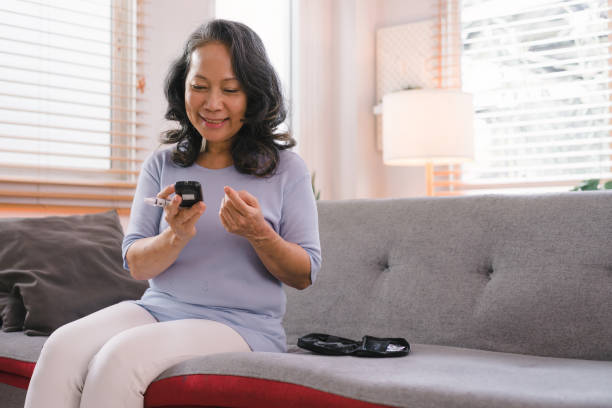
The patient uses a blood glucose meter much like any other. They place a test strip in the meter, apply a small drop of blood, and wait for the result. The difference is what happens afterward.
Automatic Transmission
Traditional monitoring asks patients to write down each reading. Handwritten logs invite errors and missed entries. A connected meter removes that step. The reading travels on its own.
Tenovi offers two device suites. The Bluetooth meter connects through the Tenovi Gateway, which sends data over a cellular network. The Tenovi Cellular Glucometer has its own SIM. Either way, the patient does not pair a phone, install an app, or sync anything.
Thresholds and Alerts
Clinicians set reading thresholds for each patient. When a value falls outside the range, the care team can be alerted. A pattern of high morning readings, for example, may prompt a medication review.
Review and Follow-Up
Staff review trends on the dashboard and contact patients when something changes. Readings collected between visits give the clinician context that a single office measurement cannot. Care teams decide which patients enroll, based on medical need.
What the Research Shows About Remote Glucose Monitoring
Researchers have studied telehealth-based glucose monitoring for years. A systematic review of four earlier reviews covered 29 studies of adults with type 2 diabetes. It found a small but significant improvement in HbA1c compared with usual care, with a mean difference of 0.55.
The results varied by how the data reached the care team. The authors also called for higher quality primary studies before drawing firm conclusions. That is a fair reading of the field today. Remote monitoring shows promise, and good study design still matters.
For a closer look at related care models, see Tenovi’s article on telehealth for diabetes management.
Remote Glucose Monitoring and Everyday Diabetes Management
Remote patient monitoring does not stand in for in-office care. It supplies a steady stream of data between visits. Glucose meters remain a core part of diabetes management, and connected meters make the data easier to act on.
The ADA’s Standards of Care guide most diabetes management. These habits appear across diabetes care plans:
- Checking blood glucose as the care team directs, including after meals when advised
- Staying physically active in a way the clinician approves
- Taking medications exactly as prescribed
- Managing stress through sleep, movement, or other supports
- Keeping scheduled appointments and sharing questions with the care team
ADA Glucose Targets for Most Nonpregnant Adults
For many nonpregnant adults, the American Diabetes Association recommends a preprandial (before-meal) glucose of 80 to 130 mg/dL. The peak postprandial (after-meal) target is below 180 mg/dL, measured one to two hours after the start of a meal. The ADA also notes that goals should be individualized.
Patients should follow the targets their own clinician sets. Those targets can differ with age, other conditions, and treatment.
With timely glucose data, clinicians can adjust a treatment plan before a problem becomes an emergency visit. The patient also sees how meals, activity, and medication affect their numbers. That awareness supports better daily choices. Programs focused on preventive care rely on exactly this kind of feedback.
The Tenovi Blood Glucose Meter for Remote Glucose Monitoring
Tenovi’s FDA-cleared Blood Glucose Meter (BGM) is built for remote blood glucose monitoring programs. Here is what it offers.
- Automatic Data Transmission: Readings reach the care team without patient action. The meter and any other RPM devices a patient has connect to the Tenovi Gateway for data aggregation. The Tenovi dashboard or the care team’s own platform displays results.
- FDA-Cleared Design: The meter uses a sensing technology that does not require calibration. Patients and clinicians depend on consistent readings when they adjust insulin and other treatment.
- Ease of Use: A large screen and a clear interface keep the steps simple. Results appear in five seconds. No setup, app, or syncing is required.
- Automatic Supply Replenishment: Care providers can enroll patients in a replenishment program, so test strips and lancets arrive before supplies run out.
The kit includes a Bluetooth-enabled meter, a lancing device, lancets, test strips, test solution, a battery, and a user guide. For step-by-step tips, read Tenovi’s guide to using an RPM glucometer.
How to Take a Reading
Gather all materials and begin with clean hands. Then follow these steps.
- Insert the test strip into the meter.
- Wipe your finger with an alcohol pad and let it dry.
- Gently prick the side of the finger with the lancet.
- Place a drop of blood on the test strip and wait for the reading.
The meter sends the result automatically. Patients should call their care team with any concern about a reading.
Frequently Asked Questions About Remote Glucose Monitoring
Care teams and patients often ask similar questions when they consider a program. This section answers the most common ones about remote glucose monitoring, from how the technology works to how it fits alongside regular visits.
1) What is remote glucose monitoring?
Remote glucose monitoring is a form of RPM in which a connected meter sends a patient’s blood glucose readings to a care team. The patient tests at home. The clinician reviews the results on a dashboard and acts on them between visits.
2) How is remote glucose monitoring different from a traditional glucose meter?
A traditional meter shows a reading only to the patient, who may record it by hand. A remote meter transmits each reading automatically. That reduces transcription errors and lets the care team see patterns that a paper log can miss.
3) Does remote glucose monitoring replace office visits?
No. It adds information between visits. Appointments remain essential for examinations, lab work, and treatment decisions.
4) What blood glucose targets does the ADA recommend?
For many nonpregnant adults, the ADA recommends 80 to 130 mg/dL before meals and below 180 mg/dL one to two hours after a meal begins. The ADA says goals should be individualized, so each patient should follow the targets their clinician sets.
5) How often should a patient check blood sugar?
It depends on the treatment plan. Patients who take insulin often check more frequently than patients who do not. The care team sets the schedule, and the patient should follow it.
6) What does a healthcare organization need to start a remote glucose monitoring program?
An organization needs connected devices, a platform or API to receive the data, and a way to deliver and support devices for patients. Tenovi handles fulfillment, provisioning, and support, and connects through one API.
Understanding Remote Glucose Monitoring
Remote glucose monitoring brings a patient’s home readings to the care team that manages their diabetes. A connected meter sends each result automatically, clinicians set thresholds and review trends, and patients see how daily choices affect their numbers. CDC data show how many people live with diabetes, and ADA targets give care teams a shared reference point. Research on telehealth monitoring points toward better HbA1c results, though the evidence base still needs stronger studies.
Tenovi provides cellular-connected remote patient monitoring and remote therapeutic monitoring infrastructure to RPM software companies, chronic care management companies, telehealth platforms, health systems, payers, government programs, and pharmacies. No syncing and no apps are required. Contact us for a free demo and consultation.