White coat syndrome, also known as white coat hypertension, occurs when a patient’s blood pressure rises in a clinical setting but reads normal elsewhere. It can lead to inaccurate diagnoses, unnecessary treatment, and added patient anxiety. To control white coat syndrome, care teams need reliable readings taken outside the exam room, and remote patient monitoring (RPM) is one of the most practical ways to get them.
This article explains what white coat syndrome is, why controlling white coat syndrome matters for long-term cardiovascular risk, and how RPM supports more accurate hypertension management between visits.
What Is White Coat Syndrome?
White coat syndrome is a blood pressure reading that is high in a provider’s office but normal at home. The anxiety of a clinical visit can raise blood pressure for a short time. According to the Cleveland Clinic, white coat hypertension is generally identified when in-office readings exceed 140/90 mm Hg while daytime out-of-office readings stay below 135/85 mm Hg.
Estimates of how common it is vary by population. Cleveland Clinic notes that roughly 15% to 30% of people with elevated office readings may have white coat hypertension. Because the effect depends on the setting, a single office visit cannot confirm it. That is why out-of-office measurement is central to controlling white coat syndrome.
Why Controlling White Coat Syndrome Matters
For years, white coat hypertension was treated as harmless. The research no longer supports that view.
A systematic review and meta-analysis published in the Annals of Internal Medicine pooled 27 studies covering more than 60,000 people. It found that people with untreated white coat hypertension had a higher risk of cardiovascular events and death than people with normal blood pressure. The reported cardiovascular mortality risk was roughly double. Penn Medicine, whose researchers led the analysis, summarized the findings the same way: untreated white coat hypertension is not a benign condition.
The takeaway for care teams is clear. Controlling white coat syndrome starts with correctly identifying it, then confirming whether a patient has true hypertension, white coat hypertension, or another pattern that office readings alone will miss.
How Is White Coat Syndrome Diagnosed?
The reference standard for confirming white coat syndrome is 24-hour ambulatory blood pressure monitoring, which records readings automatically throughout the day and night. It shows how blood pressure behaves during normal activity and sleep, not just during a brief office visit. Home blood pressure monitoring is a widely used and more practical alternative for ongoing follow-up, especially once a patient is enrolled in a monitoring program.
Both approaches share the same principle: capture blood pressure where the patient actually lives, not only in the office. A diagnosis usually rests on the gap between a high office reading and normal out-of-office readings over time. One measurement cannot establish that pattern, so repeated data is essential. This is where remote patient monitoring fits into everyday practice, giving care teams a steady stream of readings rather than isolated snapshots.
Control White Coat Syndrome With Remote Blood Pressure Monitoring
Remote patient monitoring lets patients measure blood pressure at home while readings transmit automatically to their care team. It removes the transcription errors and gaps that come with handwritten logs, and it gives clinicians a fuller picture between visits.
Controlling white coat syndrome tends to work best when RPM is paired with a few supporting practices:
- Patient education. Show patients how and when to measure so readings are consistent and comparable.
- Regular feedback. Use the incoming data to reinforce progress and flag concerns early.
- Medication review. Adjust treatment based on real out-of-office trends rather than a single office reading.
- Consistent timing. Encourage measurements at the same times each day to reduce day-to-day noise.
Research on home and remote blood pressure monitoring links this kind of structured follow-up to better engagement and improved blood pressure control. More reliable data helps providers tailor treatment to each patient instead of reacting to one clinic visit.
Hypertension Management and Remote Blood Pressure Monitoring
The scale of the problem explains why accurate measurement matters so much. The CDC reports that nearly half of U.S. adults have high blood pressure, about 48% of the adult population. Only about 1 in 4 adults with high blood pressure has it under control. The World Health Organization estimates that more than one billion people live with hypertension worldwide.
High blood pressure raises the risk of heart disease, stroke, kidney disease, and other serious conditions. Many people have no symptoms and do not know they have it, which is why routine measurement is so important. Beyond controlling white coat syndrome, remote blood pressure monitoring creates a consistent record that can surface other patterns office visits often miss:
- Masked hypertension: normal in the office but elevated at home. Its cardiovascular risk is comparable to sustained hypertension, yet it goes undetected without out-of-office readings.
- Morning hypertension: elevated readings in the morning that ease later in the day.
- Gestational hypertension: high blood pressure that develops during pregnancy.
What the 2026 RPM Billing Changes Mean
Reimbursement rules changed in 2026, and the update matters for programs that monitor blood pressure. Under the Calendar Year 2026 Medicare Physician Fee Schedule final rule, CMS adopted a new device-supply code, CPT 99445, for 2 to 15 days of transmitted data in a 30-day period. The existing code, CPT 99454, still applies to 16 or more days.
The change removes the old barrier that required at least 16 days of data before a program could bill for device supply. For a fuller breakdown of setup and supply codes, see our guide to CPT code 99453. Shorter or episodic monitoring, such as a post-visit medication adjustment or a short confirmation period for suspected white coat hypertension, can now be captured. Rates and rules vary by locality and payer, so verify current CMS figures before billing.
How Tenovi Supports Controlling White Coat Syndrome
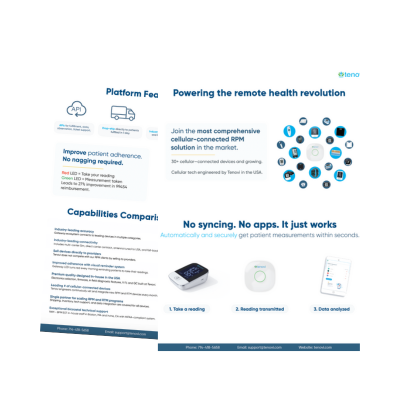
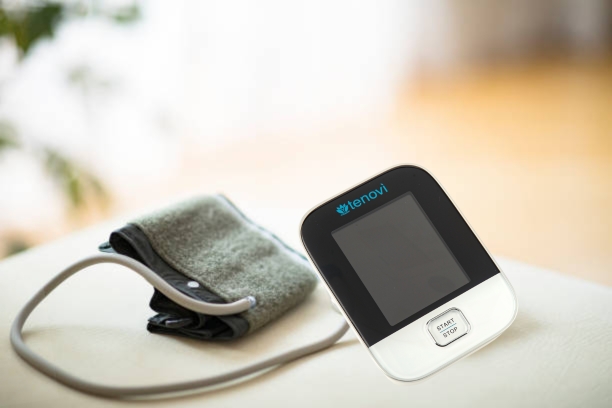
The Tenovi RPM Blood Pressure Monitor is an FDA-cleared device that connects over Bluetooth to the Tenovi Gateway. The Gateway automatically transmits accurate measurement data to the Tenovi cloud, and qualified healthcare professionals access readings through Tenovi’s API integration inside their own software platform.
The device is pre-paired and simple to use. To help patients keep up with daily measurements, the Tenovi Gateway lights up each morning as a reminder. There are no apps to install and no manual syncing, which keeps readings flowing without extra steps for the patient. For care teams focused on hypertension specifically, the same setup supports broader remote blood pressure monitoring workflows well beyond white coat cases.
Frequently Asked Questions
1) What blood pressure reading indicates white coat syndrome?
White coat hypertension is generally identified when in-office readings exceed 140/90 mm Hg while out-of-office daytime readings stay below 135/85 mm Hg. Confirmation usually relies on ambulatory or home monitoring.
2) Is white coat syndrome dangerous?
Untreated white coat hypertension is linked to higher cardiovascular risk than normal blood pressure, so it should not be dismissed. Identifying it correctly helps guide the right follow-up.
3) How does remote patient monitoring help control white coat syndrome?
RPM captures blood pressure readings at home and transmits them automatically to the care team. That gives providers a reliable out-of-office record, which is what separates white coat hypertension from true or masked hypertension.
4) How is white coat syndrome different from masked hypertension?
White coat hypertension is high in the office and normal at home. Masked hypertension is the reverse, normal in the office and elevated at home, and it carries similar risk to sustained hypertension.
5) Can Medicare reimburse remote monitoring for blood pressure?
Yes. In 2026, CMS added CPT 99445 for 2 to 15 days of data and retained CPT 99454 for 16 or more days. Coverage and rates vary by payer and locality.
Understanding How to Control White Coat Syndrome
White coat syndrome is a condition that affects nearly half of U.S. adults. To help control white coat hypertension, masked hypertension, and morning surges it may be necessary to track measurements with consistent, out-of-office appointment data. Remote patient monitoring gives care teams that data in near real time, and the research connects better information for help with better blood pressure control.
Tenovi provides health systems and partners with continuous, real-time access to their patients’ health and billing data. This gives care teams the actionable information they need to guide and improve patient care, with a focus on proactive, preventive management that supports better outcomes and lower long-term costs. Contact Tenovi today for a free demo and consultation.