Elderly remote monitoring is changing how families and providers care for aging adults at home. The population of older adults is growing quickly, and demand for home-based care is rising with it. Remote monitoring devices, often paired with artificial intelligence and machine learning, help seniors age in place and support the caregivers around them.
This article reviews the latest research on elderly remote monitoring, including the GUARDIAN Ecosystem, current Medicare billing rules, and practical steps to launch a program.
Why Elderly Remote Monitoring Matters Now
Several trends explain the growing interest in elderly remote monitoring. Each one points to more care moving into the home.
- A larger older population. The U.S. population age 65 and older is projected to grow about 47% between 2022 and 2050, according to federal aging data.
- High chronic disease burden. About 93% of adults 65 and older live with at least one chronic condition, and nearly 79% live with two or more, reports the National Council on Aging.
- Frequent falls. Roughly one in four adults 65 and older falls each year, and falls are the leading cause of injury in this group, per the CDC.
- A strong preference to stay home. In a 2024 AARP survey, 75% of adults 50 and older said they want to remain in their current home as they age.
Together these numbers show why remote patient monitoring (RPM) for seniors keeps gaining ground. Providers need scalable ways to watch health at home before small problems turn into emergencies.
Elderly Remote Monitoring and Aging in Place
Aging in place means living independently at home instead of moving to a facility. Most older adults prefer it, and research links it to better quality of life and well-being. Independence at home still requires steady support, because aging often brings conditions that need ongoing care.
Elderly remote monitoring bridges that gap. It gives caregivers and clinicians tools to track vital signs, watch trends, and act early. Wearable sensors, connected home devices, and AI-driven applications collect real-time data. That data is reviewed to flag health risks before they escalate. This approach eases caregiver strain and reduces the need for institutional care.
What Elderly Remote Monitoring Tracks at Home
An elderly remote monitoring program usually follows the vitals tied to a patient’s conditions. Common measurements include:
- Blood pressure, for hypertension and heart health.
- Blood glucose, for diabetes management.
- Weight, an early signal of fluid buildup in heart failure.
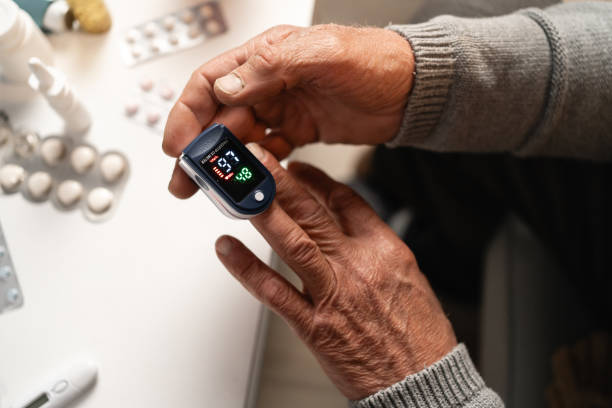
- Pulse oximetry (SpO2), for respiratory conditions such as COPD.
- Heart rate and temperature, for general status and early infection signs.
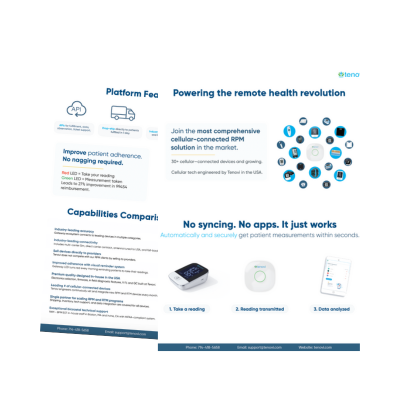
Tenovi devices send readings through the cellular Tenovi Gateway. Patients do not need Wi-Fi, a smartphone, or Bluetooth pairing. A senior simply takes a reading, and the data reaches the care team. This design removes the technical barriers that often stall adoption among older adults.
The GUARDIAN Ecosystem: A Case Study in Elderly Remote Monitoring
The GUARDIAN Ecosystem shows the potential of remote monitoring in geriatric care. This proposed technology suite includes Misty II, a sensorized social robot, plus applications for formal and informal caregivers.
Through GUARDIAN, caregivers track a senior’s physical and emotional well-being. The system schedules medication reminders and sends activity prompts. Older users engage with Misty II to share health updates or connect with caregivers. A dashboard lets caregivers review trends and respond in time. This model supports aging in place and helps caregivers deliver personalized, proactive care.
What the Latest Research Shows on Elderly Remote Monitoring
Recent evidence strengthens the case for elderly remote monitoring. A 2025 retrospective cohort study in the Journal of Medical Internet Research followed older adults with multiple chronic conditions and an average age of 87. After a home-based monitoring program, the study reported:
- A 57% drop in unplanned hospital admissions.
- A 49% reduction in hospitalization days.
- A 62% decline in emergency department visits.
These outcomes matter for both patients and health systems. Fewer admissions mean less disruption for seniors and lower pressure on hospital capacity. Similar programs support chronic disease management and help reduce hospital readmissions among high-risk older adults. RPM works as preventive care, catching decline early so patients stay healthier at home.
Acceptance of Remote Monitoring Technology
User acceptance decides whether an elderly remote monitoring program succeeds. Older adults and caregivers must find the technology simple and appropriate for daily life.
The GUARDIAN project underscores this point. Its designers built systems that adapt to individual and cultural needs. Study participants responded well to Misty II’s expressive features, such as eye movements and head gestures. They valued the ease of use and the potential to simplify caregiving. Personalization and low complexity make older adults more likely to adopt these tools and stay engaged. Cellular devices that work out of the box, like the Tenovi Gateway, follow the same principle.
Medicare Coverage and Billing for Elderly Remote Monitoring
Medicare reimburses remote patient monitoring, which helps practices sustain proactive care for seniors. The main RPM CPT codes include 99453 and 99454 for device setup and data transmission, and 99457 and 99458 for monthly management time. Code 99091 covers physician data review. Medicare generally requires at least 16 days of readings within a 30-day period to bill the core device codes.
Two 2025 updates expanded access further. The Centers for Medicare & Medicaid Services unbundled code G0511, letting Federally Qualified Health Centers and Rural Health Clinics bill individual care management codes. CMS also launched Advanced Primary Care Management (APCM), which folds together elements of chronic care and remote monitoring services.
For 2026, CMS finalized two new RPM codes for shorter monitoring periods. These cover fewer than 16 days of readings and fewer than 20 minutes of monthly management time. The change lets providers bill for briefer, targeted monitoring, which fits many elderly patients. For a deeper breakdown, see our guide to remote patient monitoring reimbursement. Reimbursement should be read as support for preventive care, not a billing shortcut. The goal is better health for aging patients and lower total cost of care.
How to Start an Elderly Remote Monitoring Program
Launching elderly remote monitoring does not need to be complex. A simple sequence keeps rollout smooth:
- Define the patient population. Start with high-risk seniors who have chronic conditions or recent hospital stays.
- Choose the right devices. Match devices to conditions, and pick cellular hardware that older adults can use without setup.
- Set monitoring thresholds. Work with clinicians to set alert ranges for each vital sign.
- Assign a care team workflow. Decide who reviews data, who calls patients, and how alerts are handled.
- Track outcomes and billing. Monitor engagement, clinical results, and CPT code eligibility over time.
A clear plan protects both patient experience and program sustainability. It also gives caregivers confidence that help arrives when readings drift.
Frequently Asked Questions About Elderly Remote Monitoring
1) What is elderly remote monitoring?
Elderly remote monitoring uses connected devices to track a senior’s vital signs at home. Care teams review the data and respond early to changes. It supports aging in place and helps prevent avoidable hospital visits.
2) Does Medicare pay for remote patient monitoring for seniors?
Yes. Medicare reimburses remote patient monitoring through CPT codes such as 99453, 99454, 99457, and 99458. Most codes require at least 16 days of readings in a 30-day period.
3) What conditions can elderly remote monitoring track?
Programs commonly track hypertension, diabetes, heart failure, and COPD. Devices measure blood pressure, blood glucose, weight, and pulse oximetry. The mix depends on each patient’s diagnoses.
4) Is remote monitoring hard for older adults to use?
It does not have to be. Cellular devices like the Tenovi Gateway work without Wi-Fi, smartphones, or Bluetooth pairing. Seniors take a reading, and the data transmits automatically.
5) Can remote monitoring reduce hospital visits for seniors?
Research suggests it can. A 2025 study of older adults reported large reductions in hospital admissions and emergency department visits after a home monitoring program.
Understanding Elderly Remote Monitoring
Elderly remote monitoring is a practical answer to the pressures of an aging population. It lets seniors stay independent at home while giving caregivers and clinicians the data they need to act early. The latest research links these programs to fewer hospital admissions and emergency visits, and Medicare billing continues to expand access. For providers, families, and caregivers, elderly remote monitoring improves outcomes without compromising a senior’s independence or dignity.
Tenovi provides cellular remote patient monitoring devices and a plug-and-play Tenovi Gateway that connect seniors to their care teams with no Wi-Fi or setup required. To see how Tenovi can support your aging patients, contact us for a consultation and free demo.