Federally Qualified Health Centers (FQHCs) and Rural Health Clinics (RHCs) are the front line of primary care for millions of patients in underserved communities. As chronic disease rates climb and care teams stretch to meet demand, remote patient monitoring (RPM) has become one of the most practical tools FQHCs and RHCs can use to extend care beyond the clinic walls. This article explains how RPM works in the FQHC and RHC setting, what the research shows about its impact on chronic conditions like hypertension and diabetes, and how Medicare reimbursement for RPM in these settings works today.
What Are FQHCs and RHCs?
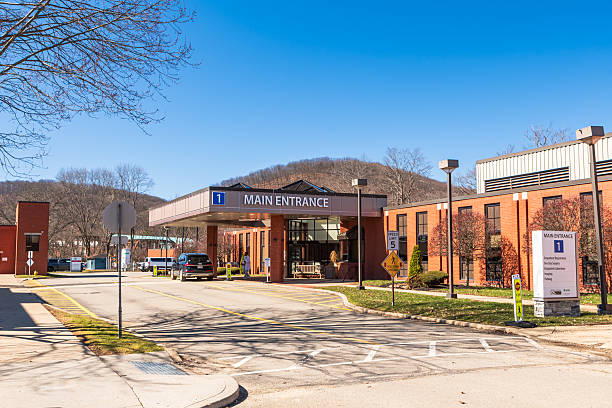
FQHCs and RHCs both deliver primary care in communities that would otherwise go without it, but they differ in where and how they operate. The FQHCs are community-based health centers that receive federal funding to provide primary care in underserved areas. They can operate in both urban and rural communities, serve patients regardless of ability to pay, and typically offer sliding-fee scales. RHCs are certified clinics located in designated rural, underserved areas, created to increase access to primary care for rural Medicare and Medicaid patients.
Both provider types care for patient populations with higher-than-average rates of chronic conditions such as hypertension, diabetes, and COPD, which are some of the chronic conditions remote patient monitoring is best suited to manage.
Why Remote Patient Monitoring for FQHCs and RHCs
Remote patient monitoring uses connected devices — blood pressure monitors, blood glucose meters, weight scales, pulse oximeters, and more — to transmit patient readings from home to the care team. Instead of relying on a snapshot reading at a quarterly visit, providers see trends between visits and can intervene before a problem becomes a hospitalization.
Adoption continues to grow worldwide. Berg Insight reports that more than 76 million patients worldwide use remote monitoring, a number projected to reach roughly 140 million by 2028, growing at a compound annual rate of 12.8%. That growth is driven in part by the shift to value-based care and advances in artificial intelligence (AI), which help care teams detect disease earlier, personalize treatment plans, and improve medication adherence through data-driven insights.
- For FQHCs and RHCs, the case for RPM is especially strong for some of these reasons.
- Where rural patients may travel an hour or more for a blood pressure check. RPM brings daily monitoring into the home.
- FQHC and RHC patient panels carry high rates of uncontrolled hypertension and diabetes, where consistent monitoring changes outcomes.
- RPM lets a small care team monitor hundreds of patients by exception, focusing outreach on the readings that need attention.
- Consistent monitoring and follow-up close care gaps for patients in remote or resource-limited areas.
What the Research Shows: RPM Outcomes in FQHCs and RHCs
A growing body of research supports remote patient monitoring in safety-net settings. Two studies stand out for FQHC and RHC leaders evaluating a program.
RPM and Hypertension Management in FQHCs
A study published in Circulation compared RPM’s effectiveness in managing hypertension between FQHC patients and patients in traditional primary care settings. The researchers asked: do FQHC patients respond to RPM for hypertension management as effectively as patients in traditional primary care?
The results showed significant blood pressure reductions in both groups:
- FQHC patients: systolic blood pressure decreased by 17.4 mmHg (from 152.3 to 134.9 mmHg), and diastolic blood pressure dropped by 10.6 mmHg (from 92.4 to 81.9 mmHg).
- Primary care patients: systolic blood pressure fell by 15.5 mmHg (from 150.7 to 135.2 mmHg), and diastolic blood pressure decreased by 8.7 mmHg (from 86.4 to 77.7 mmHg).
Although primary care patients transmitted readings slightly more often, FQHC patients achieved a greater reduction in mean arterial pressure, evidence that RPM works at least as well in safety-net settings and can help close blood pressure disparities in underserved populations.
Chronic Care Management and RPM in FQHCs
A pilot study in southeastern Louisiana examined team-based chronic care management (CCM) integrated with RPM for patients with diabetes and hypertension in FQHCs. Key findings included:
- Diabetes: patients using remote monitoring showed a 1.6% reduction in hemoglobin A1c after extended device use.
- Hypertension: patients engaged with RPM saw an average 7.5 mmHg reduction in systolic blood pressure during the first three months.
The study suggests that pairing RPM with pharmacist-led, team-based care coordination strengthens disease management in the FQHC setting — a model many health centers can replicate with existing care teams.
How FQHCs and RHCs Are Uniquely Positioned for RPM Success
FQHCs and RHCs serve as critical access points for healthcare in underserved communities, often managing patients with complex chronic conditions. Health centers that adopt RPM consistently report benefits across four areas:
1) Health Equity
RPM bridges care gaps through consistent monitoring and follow-up for patients in remote or resource-limited areas.
2) Improved Outcomes
Regular data transmission enables timely interventions, reducing the risk of complications and avoidable hospitalizations.
3) Cost Efficiency
RPM aligns with the shift toward value-based care, offering a cost-effective model for chronic disease management.
Getting Started With RPM at Your Health Center
Health centers that succeed with remote patient monitoring tend to follow a similar path.
1) Start with one condition
Hypertension is the most common entry point — the devices are simple, patient adherence is high, and outcomes are measurable within months.
2) Choose cellular-connected devices
Many FQHC and RHC patients lack reliable home broadband or smartphones. Devices that transmit over cellular networks remove the connectivity barrier entirely.
3) Assign clear monitoring roles
Whether it’s a nurse, pharmacist, or care coordinator, someone owns the dashboard, triages alerts, and documents time for billing.
4) Track both clinical and financial metrics
Blood pressure control rates, A1c trends, patient engagement, and cost savings to gauge outcomes.
Health Equity
Remote patient monitoring enhances care delivery in FQHCs and RHCs, improving health outcomes and access for underserved patient populations, especially in rural areas. The research shows safety-net patients respond to RPM as well as — and sometimes better than — patients in traditional primary care, and current Medicare billing rules make programs more financially viable for health centers than ever before.
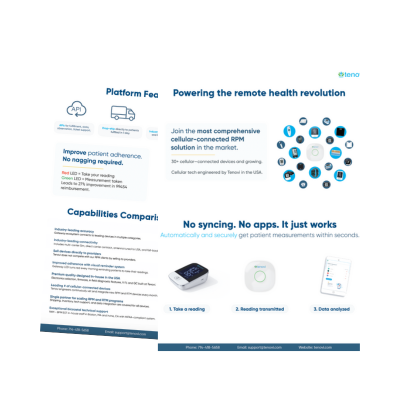
Tenovi supports FQHCs and RHCs with cellular-connected RPM devices that work out of the box, with no smartphone, Wi-Fi, or app required. Contact us to learn how health centers use Tenovi to launch and scale remote patient monitoring programs, or request a demo to see the platform in action.