Every June, Men’s Health Week sparks a vital conversation about the unique health challenges men face. At the top of that list is hypertension. Men are disproportionately affected by high blood pressure. The traditional clinic-based approach to monitoring often falls short due to busy schedules, inconvenience, and clinical anxiety. Remote blood pressure monitoring devices helps bridge the gap between home and the doctor’s office. This article explores the life-saving benefits of remote monitoring and how it empowers men to take control of their heart health.
Understanding Hypertension in Men
Hypertension affects millions of men worldwide and can increase the risk of heart disease, stroke, kidney failure, and other serious health complications. It occurs when the force of blood against the walls of the arteries is consistently too high. Unfortunately, many people with high blood pressure are unaware of their condition because it often has no symptoms.
Studies have consistently shown that men are more prone to developing high blood pressure than women. Men’s Health Week raises awareness about the importance of regular check-ups, monitoring blood pressure, and taking steps to lower it if it’s too high. Home blood pressure monitoring has become a valuable tool for managing hypertension. The following sections explore the benefits of using remote blood pressure monitoring devices.
The Role of Remote Blood Pressure Monitoring Devices
Traditional blood pressure measurement methods often involve visits to healthcare facilities. This can be time-consuming and inconvenient for patients. One significant advantage of remote blood pressure monitoring devices is their convenience.
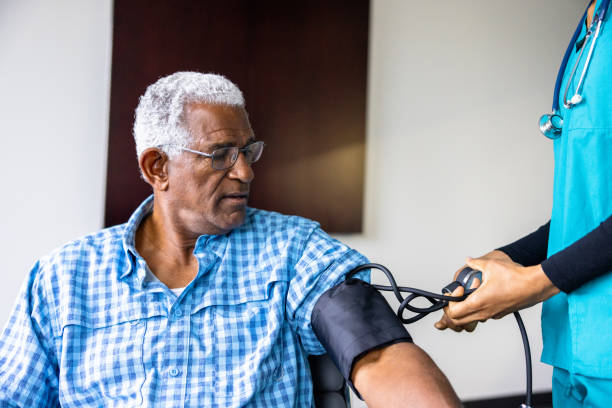
Remote blood pressure monitoring allows patients to check their blood pressure at home. FDA-cleared RPM devices are easy to use and provide accurate readings in just a few minutes. These readings are transmitted to the patient’s provider health platform.
This allows doctors to monitor patients’ blood pressure levels and adjust their treatment plans. Remote blood pressure monitoring devices come with a cuff and a digital monitor that records blood pressure readings.
Patient Engagement and RPM
Remote monitoring can lead to better measurement adherence and enhanced blood pressure control. At times, medication lapses or anxiety in a clinical setting can lead to higher blood pressure readings than usual. RPM offers comfort and accurate readings for patients with white coat syndrome. Home blood pressure monitoring helps patients relax, and frequent measurements provide a more precise understanding of their condition.
A pilot study in PLOS One found that remote monitoring and device reminders enhance self-care and lower hospital readmissions. Increased engagement encourages patients to adhere to medication and treatment schedules, reducing the potential for chronic disease conditions and symptom regression. It also offers the potential to increase general well-being. Another recent study found that remote blood pressure monitoring can improve hypertensive patients’ self‐management and quality of life, reducing treatment and care costs.
According to the World Health Organization, medication adherence impacts patient outcomes more than a specific treatment. Medication adherence seriously affects quality and length of life, healthcare costs, and health outcomes. When RPM is combined with remote therapeutic monitoring, patients can also use a smart pillbox which reminds a patient to take their morning and evening medications. And the patient’s physician can be notified when a patient is not taking his medication as prescribed. With RPM patients can also receive automatic alerts and reminders to take their measurements.
Early Detection With Remote Blood Pressure Monitoring Devices
The American Heart Association recommends at-home monitoring for all people with high blood pressure to help healthcare professionals determine if treatments are working. However, remote blood pressure monitoring still requires regular physician visits.
Regularly using remote blood pressure monitoring devices can help detect potential fluctuations in blood pressure, allowing for early detection of potential issues and prompt treatment. These measurements create a detailed health record for each patient, where clinicians can identify trends and fluctuations.
Empowering Men to Take Control
Remote blood pressure monitoring devices empower men to actively participate in managing their hypertension. By regularly tracking their blood pressure levels, men better understand their condition, leading to improved self-care and lifestyle modifications. Several studies, including one published in JMIR, have highlighted the positive impact of self-monitoring on hypertension management.
In addition, research supports that when self-monitoring is combined with co-interventions by healthcare professionals and patients, education, or lifestyle counseling, it results in clinically meaningful reductions in blood pressure that can be sustained for at least 12 months. Therefore, co-interventions must accompany self-monitoring for hypertension in men.
Strengthening Doctor-Patient Communication
Home vital sign monitoring enhances communication and collaboration between individuals and healthcare providers. Regularly sharing vital signs with doctors enables a comprehensive overview of health status, leading to informed decisions, personalized guidance, and adjustments to treatment plans based on real-time data. Remote monitoring also facilitates telehealth consultations, reducing the number of in-person visits.
Remote blood pressure monitoring devices help to facilitate frequent communication between men and their healthcare providers. With accurate and comprehensive data readily available, doctors can make informed decisions regarding medication adjustments or lifestyle recommendations. A collaborative approach improves the overall quality of care and enhances the doctor-patient relationship.
Understanding Remote Blood Pressure Monitoring Devices
As men’s health takes center stage during Men’s Health Week, it is crucial to address hypertension in men. Remote blood pressure monitoring devices present an effective solution for managing hypertension in men. A remote BPM device offers enhanced convenience, early detection, and empowerment, facilitating better control over blood pressure levels. By incorporating remote monitoring into their daily routines, men can actively participate in their health journey and work towards a healthier future.
Tenovi RPM Blood Pressure Monitor
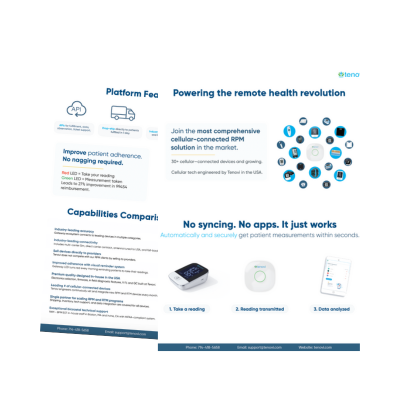
An RPM blood pressure monitor that is easy to use at home is among the best patient options. For example, Tenovi’s BPM blood pressure monitor eliminates any hassle of complicated setup and is user-friendly. The Tenovi RPM blood pressure monitor is a blood pressure monitor that transmits patient vital sign monitoring data through the Tenovi Cellular Gateway using the same cellular network as our mobile phones. To measure blood pressure, the patient wraps the cuff around their upper arm, presses the middle button, and inflates the cuff to take the reading. The device then sends the data to the remote patient monitoring platform. Schedule a free demo with Tenovi to learn more about our remote patient monitoring solutions.