These remote patient monitoring facts to know in 2026 give a quick, current look at how connected care works today. Each of the RPM facts below is drawn from a primary or peer-reviewed source, and we update them as new data becomes available.
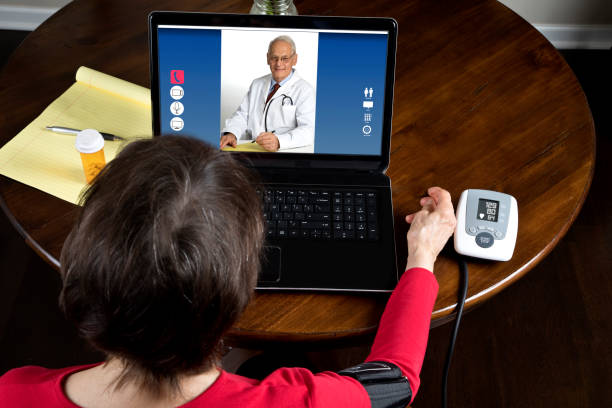
Remote patient monitoring (RPM) uses connected devices to collect vital signs at home. Providers review that data between visits and act sooner when readings drift. The result is steadier chronic care and fewer surprises for patients and clinicians.
Whether you are a provider, a care services team, or a payer, these facts are built to inform decisions. Bookmark this page and check back, since we add new facts over time.
Remote Patient Monitoring Adoption and Growth Facts
These remote patient monitoring facts show how quickly RPM moved from pilot to standard practice.
1. RPM Now Reaches an Estimated 71 Million Americans
Roughly 71 million people in the United States, about 26% of the population, use some form of remote monitoring service as of 2025, per a 2025 review in the Journal of Medical Internet Research. Adoption keeps rising as chronic disease rates climb.
2. Medicare RPM Billing Has Grown More Than 3,000%
Medicare claim volume for the core RPM codes (99453 through 99458) rose more than 3,000% over four years. Medicare and Medicare Advantage RPM reimbursements topped $500 million in 2024, according to a 2025 RPM landscape report.
3. Internal Medicine Leads RPM Use
Internal medicine physicians manage the largest share of RPM patients at about 29%. Cardiology follows near 21%, and family practice near 19%. Chronic disease specialties drive most monitoring volume.
4. RPM Adoption Surged After Years of Lagging
Early in the pandemic, most practices had not started offering RPM, MGMA reported. That picture has changed. Sharp growth in Medicare claims and reimbursement shows RPM is now a standard service line.
5. Adopting Practices Increased Medicare Revenue by 20%
A 2025 Health Affairs study of 754 primary care practices found RPM adopters raised Medicare revenue by 20% versus matched non-adopters. They also expanded access without cutting visits for other patients.
Remote Patient Monitoring Outcomes Facts
Strong outcomes explain why these RPM facts keep drawing provider interest.
6. Heart Failure Monitoring Cut Hospitalizations by 37%
A remote monitoring study reported a 37% reduction in heart failure hospitalizations using implantable pulmonary artery (CardioMEMS) monitoring. See our overview of remote patient monitoring for heart failure for more.
7. Home Monitoring Lowers Readmissions for High-Risk Patients
A 2024 prospective cohort study in JMIR Formative Research found home telemonitoring reduced hospital readmissions and emergency visits after discharge. Early alerts let care teams intervene sooner.
8. Connected Monitoring Helped 74% Control Resistant Hypertension
Research presented at the American Heart Association Hypertension Scientific Sessions 2024 reported that 74% of patients with resistant high blood pressure gained control within 12 months. They used a Bluetooth monitor paired with regular pharmacist check-ins.
9. Nearly Half of US Adults Have High Blood Pressure
About 47% of US adults, roughly 116 million people, have hypertension, per the CDC. Home blood pressure monitoring gives clinicians readings that a single office visit can miss.
10. Poor Medication Adherence Drives Many Hospital Admissions
An estimated 10% of chronic-care hospital admissions trace back to poor medication adherence, and these patients take prescriptions correctly only about half the time. A connected RTM pill box sends reminders and flags missed doses for the care team.
11. Telehealth for Opioid Use Disorder Lowered Overdose Deaths
A study in JAMA Psychiatry found that access to opioid use disorder telehealth and medication during the pandemic was linked to lower odds of fatal overdose among Medicare beneficiaries.
12. A Mobile App Improved Type 2 Diabetes Control
An August 2022 study reported by mHealthIntelligence found an mHealth app improved short-term glycemic control. It also supported care for people managing type 2 diabetes.
Remote Patient Monitoring Access and Population Facts
These RPM facts show how remote monitoring extends care to patients far from a clinic.
13. Rural Hospitals Used Telehealth to Widen Access
Adventist Health Saint Helena Hospital, a rural hospital in northern California, expanded telehealth during the pandemic. Its work focused on equitable access for rural and Latino communities.
14. Rural Teleoncology Matched In-Person Care for 95% of Patients
A rural Tennessee teleoncology program study found that 95% of patients rated virtual visits as good as or better than in-person appointments. These patients used virtual visits for half of their care.
15. Mobile Telestroke Care Saved About 30 Minutes
A 2019 study of NewYork-Presbyterian’s mobile telestroke program found that ambulances with EMS telemedicine could cut about 30 minutes off average stroke treatment time. Faster treatment can save lives.
16. Guidelines Back Remote Monitoring for Atrial Fibrillation
Clinical guidelines recommend remote monitoring to detect atrial fibrillation in stroke and non-stroke patients. Catching an irregular rhythm early can prevent a first or second stroke.
Remote Patient Monitoring Reimbursement and Policy Facts
These remote patient monitoring facts help teams build programs that support patients and stay compliant.
17. Medicare Pays for Setup, Device Supply, and Monthly Management
Medicare reimburses device setup and education (99453), device supply and data transmission each 30 days (99454), and monthly clinical time managing patients (99457 and 99458). These payments fund proactive, preventive care that helps patients avoid costly complications.
18. CMS Added Shorter-Duration RPM Codes for 2026
The CY 2026 Medicare Physician Fee Schedule introduced codes for shorter monitoring periods for the first time. That change supports patients who need fewer than 16 days of data each month. Review our guide to RPM CPT codes for 2026 before you bill.
19. Most States Now Cover RPM Under Medicaid
As of December 2024, 42 states had adopted Medicaid coverage for remote patient monitoring, per the 2025 RPM landscape report. Coverage rules still vary by state.
20. CMS Ended the ET3 EMS Model Early in 2023
The Emergency Triage, Treat, and Transport (ET3) Model let ambulance crews treat patients in place or route them to alternative sites. CMS ended it early on December 31, 2023, citing low participation. It shows how mobile and virtual care models keep evolving.
21. Federal Oversight of RPM Billing Is Growing
A 2025 report from the HHS Office of Inspector General urged CMS to strengthen oversight of RPM billing. Clean documentation and patient-first program design protect both patients and providers.
Remote Patient Monitoring Device and Technology Facts
Device basics round out this set of RPM facts.
22. “FDA-Cleared” and “FDA-Approved” Are Not the Same
Most RPM devices reach the market through FDA clearance, not approval. Clearance means the FDA agrees the device is substantially equivalent to an existing cleared product. It is the most common regulatory path for remote monitoring devices.
23. You Can Verify a Device’s FDA Status Online
If a device is marketed as “FDA-cleared,” confirm it in the Devices@FDA database. Enter the device or company name to check the record before you buy.
24. Patients Rank Convenience Among the Top RPM Benefits
An MSI study asked patients to prioritize the benefits of remote patient monitoring. The findings: 43% valued convenience, 39% care efficiency, 37% control over personal health, 36% more accurate diagnoses, and 36% peace of mind.
Frequently Asked Questions About Remote Patient Monitoring
1) What is remote patient monitoring?
Remote patient monitoring uses connected devices to collect vital signs at home, such as blood pressure, weight, glucose, and oxygen levels. Providers review the data between visits and respond when readings move outside a safe range.
2) How many people use remote patient monitoring?
An estimated 71 million Americans, about 26% of the population, use a remote monitoring service as of 2025. Adoption continues to grow with rising chronic disease rates.
3) Does Medicare pay for remote patient monitoring?
Yes. Medicare reimburses device setup, monthly device supply and data transmission, and clinical time spent managing patients. CMS added shorter-duration monitoring codes for 2026.
4) Does remote patient monitoring reduce hospital readmissions?
Peer-reviewed studies link remote monitoring to fewer readmissions among high-risk patients, including a 37% drop in heart failure hospitalizations in one study. Early alerts let care teams act before a crisis.
5) Which conditions are most commonly managed with RPM?
Hypertension, heart failure, diabetes, and chronic respiratory conditions are among the most monitored. Internal medicine and cardiology account for the largest share of RPM patients.
Understanding Remote Patient Monitoring Facts
These remote patient monitoring facts point to one theme: RPM has become a standard tool for managing chronic disease at home. Adoption now reaches tens of millions of patients, Medicare billing has grown sharply, and peer-reviewed studies tie remote monitoring to fewer readmissions and better blood pressure control. Reimbursement keeps expanding with new 2026 codes and wider Medicaid coverage, while federal oversight encourages clean, patient-first program design. Device basics, rural access gains, and outcome data round out the picture. For care teams, the takeaway is practical: remote monitoring supports earlier action, steadier care, and healthier patients. For more quick data, visit our digital health and wellness facts resource.
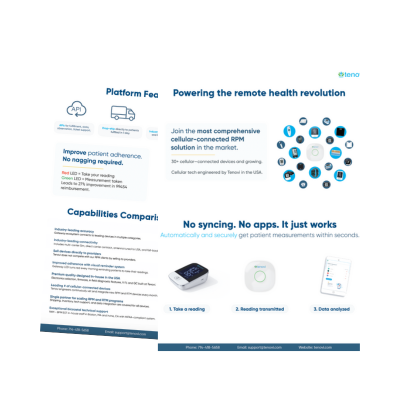
Tenovi provides a cellular remote monitoring platform built for care services, providers, and practices. Our FDA-cleared devices pair with the Tenovi Gateway and send readings automatically, with no patient Wi-Fi or setup required. If you want to see how RPM fits your program, contact us for a free demo and consultation.