
New remote patient monitoring studies are published every week, and staying current on them is part of the job for any RPM software company, chronic care management group, or telehealth platform. The strongest remote patient monitoring studies do more than confirm that the model works. They show which patients benefit most, where programs tend to fall short, and how to build a service that holds up under clinical and financial scrutiny.
This article reviews three recent studies on remote patient monitoring (RPM) and what each one means for the way you design and run a program. The research covers hospital use across chronic conditions, cost and utilization among Medicare patients, and patient satisfaction at scale.
Why Remote Patient Monitoring Studies Matter to Your Program
Chronic disease continues to drive most healthcare spending, and the case for monitoring patients at home keeps getting stronger. The World Health Organization reports that noncommunicable diseases such as heart disease, diabetes, and chronic respiratory conditions cause more than 70% of deaths worldwide. Programs that catch a decline early, before it becomes an emergency, are the ones that improve outcomes and control cost. If you are new to the model, our overview of how remote patient monitoring works covers the basics.
Well-designed remote patient monitoring studies give your team the evidence to make that case to partners, providers, and payers. They also point to the operational choices that separate a program that works from one that adds cost without adding value. The three studies below are a good place to start.
Study 1: Remote Patient Monitoring May Lower Hospitalizations and Shorten Stays
A 2025 systematic review and meta-analysis in JMIR mHealth and uHealth pooled 40 randomized controlled trials published between 2017 and 2024, covering more than 11,000 patients with noncommunicable diseases. It is one of the most rigorous remote patient monitoring studies published to date on how home monitoring affects healthcare use.
The review found that remote patient monitoring may slightly lower the share of patients who are hospitalized, from 32% under usual care to 28% with monitoring. It also found shorter hospital stays, with the monitoring group staying about 0.84 days less on average. The effect was strongest for cardiovascular disease and chronic obstructive pulmonary disease.
One finding stands out for program design. Newer trials showed better results than older ones, which suggests that improvements in devices, platforms, and workflows are translating into stronger outcomes over time. The authors also noted that programs saw the best results when alerts were acted on quickly and monitoring was built into clinical workflows rather than bolted on.
The takeaway for RPM teams: outcomes depend on follow-through. Reliable data that transmits automatically is the starting point, but the response to that data is what reduces admissions.
Study 2: Cost and Utilization Among Medicare Patients With Chronic Disease
A study collected for early 2026 publication examined whether a remote patient care program could reduce total cost of care and healthcare utilization for Medicare patients with chronic disease. It reflects a broader shift in remote patient monitoring studies toward the financial questions that partners and payers care about most.
The researchers noted that RPM paired with technology-enabled, guideline-directed clinical care has consistently improved outcomes for Medicare patients with chronic conditions. The harder question is whether that care model also lowers total spending, and the evidence there is still developing.
This matters because reimbursement and cost pressure shape how programs get funded. Under the Medicare Physician Fee Schedule, CPT codes support monitoring and management time, and 2026 added new codes for shorter monitoring periods, including 99445 for two to 15 days of data. Programs that can show both better outcomes and responsible use of resources are the ones best positioned as coverage evolves.
The takeaway: frame RPM as proactive, preventive care. The goal is to keep patients stable at home and out of the hospital, which serves the patient first and the budget second.
Study 3: Patient Satisfaction Across a Multisite RPM Program
A survey-based analysis in JMIR looked at patient satisfaction with a multisite, multiregional remote patient monitoring program for acute and chronic conditions. Surveys went to more than 8,500 enrolled patients and covered comfort, equipment, communication, and overall experience.
Patient satisfaction is easy to overlook in remote patient monitoring studies, but it drives the metric every program lives or dies by: adherence. Patients who find the equipment easy to use and the communication clear are the ones who keep taking readings, and consistent readings are what make monitoring clinically useful.
The practical lesson is that device experience is not a side issue. Simple setup, dependable connectivity, and readings that transmit automatically without extra steps all reduce the friction that causes patients to drop off. When the technology stays out of the way, engagement holds.
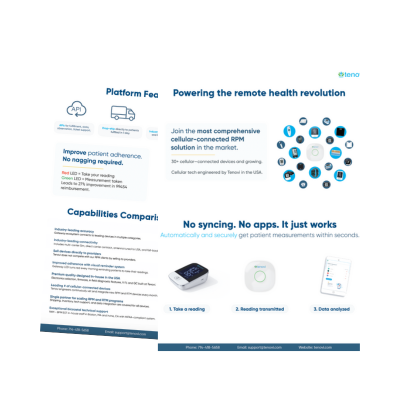
The takeaway: choose hardware and a platform built around the patient. Cellular-connected devices that work out of the box, with no apps, Bluetooth pairing, or Wi-Fi setup, remove the most common barriers to adherence.
What These Remote Patient Monitoring Studies Have in Common
Read together, these studies point to a few consistent themes for anyone running or building an RPM program:
- Outcomes improve when someone acts on the data quickly. Monitoring alone is not the intervention. The clinical response is.
- Certain conditions respond more strongly. Heart failure, COPD, and hypertension show up repeatedly as areas where monitoring reduces hospital use.
- Patient experience drives adherence. Easy, reliable devices keep patients engaged, and engaged patients produce the data that makes a program work.
- The financial case is still being written. Outcomes evidence is strong and growing. Cost-of-care evidence is developing, which makes responsible, preventive program design more important than ever.
Frequently Asked Questions About Remote Patient Monitoring Studies
1) Do remote patient monitoring studies show that RPM reduces hospitalizations?
Recent evidence points that way. A 2025 meta-analysis of 40 randomized controlled trials found that remote patient monitoring may lower the proportion of patients hospitalized from 32% to 28% and shorten hospital stays, with the strongest results in cardiovascular disease and COPD. The authors rated the certainty of the evidence as low to moderate, so results should be read with some caution.
2) Which chronic conditions benefit most from remote patient monitoring?
Across the research, heart failure, chronic obstructive pulmonary disease, and hypertension show the most consistent reductions in hospital use. Diabetes and other conditions show benefit as well, though effects vary by population, program design, and how quickly clinical teams respond to data.
3) Do remote patient monitoring studies address cost savings?
Some do, and it is an active area of research. RPM paired with guideline-directed clinical care consistently improves outcomes for Medicare patients with chronic disease. Whether it reduces total cost of care depends on program design, patient population, and how well monitoring is integrated into clinical workflows.
4) Why does patient satisfaction matter in RPM research?
Satisfaction drives adherence. Patients who find devices easy to use and communication clear are more likely to keep taking readings, and consistent readings are what make monitoring clinically useful. A large multisite satisfaction survey highlighted comfort, equipment, and communication as key factors in the patient experience.
Understanding Remote Patient Monitoring Studies
Remote patient monitoring studies give RPM, chronic care, and telehealth teams the evidence to build stronger programs and make a clear case to providers and payers. The recent research is consistent: monitoring can reduce hospitalizations and shorten stays, works best when clinical teams act quickly on the data, and depends on a patient experience that keeps people engaged. The financial evidence is still developing, which makes proactive, preventive program design the right foundation.
Tenovi provides the cellular-connected devices and Gateway technology that make this kind of program possible. Our hardware transmits readings automatically with no apps, Bluetooth pairing, or Wi-Fi setup, so patients stay engaged and your clinical team gets reliable data to act on. To see how Tenovi can support your remote patient monitoring program, contact us for a free demo and consultation.