Search Results for: FDA-cleared

Xandar Kardian

The Device How It Works Benefits Request Info Continuous Vitals. No Patient Effort. The Xandar Kardian Essence monitors heart rate, respiratory rate, and sleep patterns 24/7 using contactless radar—integrated seamlessly through the Tenovi platform. Request Demo Request Demo The Device Xandar Kardian 300 Essence A contactless radar sensor that mounts in a facility room and

Xandar Kardian Read More »

Who qualifies for remote patient monitoring?

Who Qualifies for Remote Patient Monitoring?

Patients must meet certain criteria to be eligible for remote patient monitoring (RPM) services. This article explains what RPM is, who qualifies for remote patient monitoring, and who can perform remote monitoring services. Understanding these key aspects will help patients seeking to understand the basics of RPM and providers looking to expand remote care offerings.

Who Qualifies for Remote Patient Monitoring? Read More »

How remote blood pressure monitoring is changing lives

Remote Blood Pressure Monitoring: Is it Worth Trying?

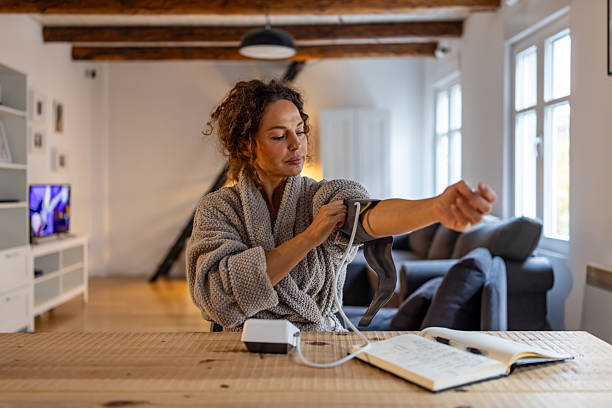
Remote blood pressure monitoring lets patients take readings at home and send them automatically to their care team. Used as part of remote patient monitoring (RPM) for hypertension, it gives clinicians a steady view of blood pressure between office visits. That view matters. A single office reading is a snapshot. Home readings, taken on a

Remote Blood Pressure Monitoring: Is it Worth Trying? Read More »

Careers

Join the Team We’re growing fast and looking for people who are passionate about simplifying healthcare. At Tenovi, we aim to improve lives through seamless technology. Explore our open roles and help us define the next generation of Remote Patient Monitoring. View Open Roles What Makes Us Different Why Tenovi? 01 Patients & Members First

Careers Read More »

What does FDA-approved mean for remote patient monitoring devices?

Decoding FDA Language Around Remote Patient Monitoring Devices

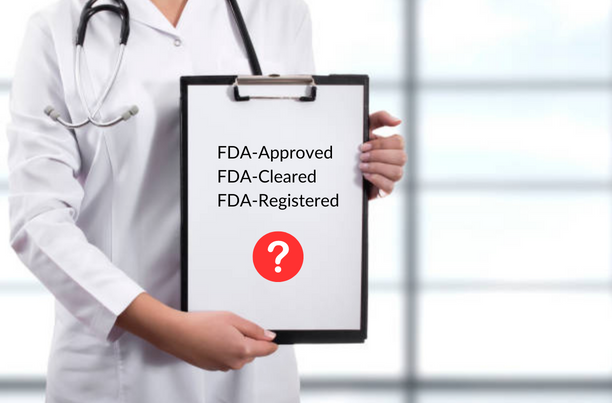
Marketing language around remote patient monitoring (RPM) devices can be confusing and even be misleading. Understanding correct terminology matters because the wrong device has the potential to put patients at risk. This article explains what the terms FDA-registered, FDA-cleared, and FDA-approved remote patient monitoring devices mean and their associated categories: Class I, II, and III.

Decoding FDA Language Around Remote Patient Monitoring Devices Read More »

Telemedicine opioid treatment works to save lives through treatment for those affected by opioid addiction.

Telemedicine Opioid Treatment & New RPM Technologies

According to the CDC’s National Center for Health Statistics, over 80,000 drug overdose deaths occurred in the United States in 2024. Although the numbers decreased by nearly 27% from about 110,000 deaths in 2023, the opioid crisis continues to affect millions of Americans. During the COVID-19 pandemic, the public health emergency (PHE) allowed providers to

Telemedicine Opioid Treatment & New RPM Technologies Read More »

remote patient monitoring in healthcare research

Remote Patient Monitoring in Healthcare

Remote patient monitoring in healthcare is reshaping how clinicians manage chronic conditions, deliver care at home, and reduce hospital readmissions. The global RPM services market is projected to reach $22.5 billion by the end of 2026, reflecting a structural shift toward health-at-home ecosystems. Leveraging sensors, wearables, and real-time data analytics, RPM empowers clinicians to monitor

Remote Patient Monitoring in Healthcare Read More »

remote chronic kidney disease monitoring for patients and how it works

What are the Best RPM Devices for Chronic Kidney Disease Monitoring?

Research shows that remote patient monitoring (RPM) can improve outcomes for chronic kidney disease (CKD) in the areas of treatment adherence, quality of life, reduced hospitalizations, and lower healthcare costs. RPM enables patients to communicate with physicians and receive care, reminders, and education between in-office visits. With remote chronic kidney disease monitoring, patients and physicians

What are the Best RPM Devices for Chronic Kidney Disease Monitoring? Read More »

remote patient monitoring in chronic remote respiratory care

How Reimbursement Works for Remote Peak Flow Monitoring

Remote peak flow monitoring is commonly used to monitor asthma and COPD. Patients enrolled in a remote therapeutic monitoring (RTM) program will use an FDA-cleared peak flow meter device. The service is covered under Medicare and eligible for reimbursement. This article summarizes the proper procedures for billing for remote therapeutic monitoring services according to the

How Reimbursement Works for Remote Peak Flow Monitoring Read More »

doctor explaining how stroke vital signs monitoring can help in how to avoid stroke

How to Help Prevent a Stroke with Vital Signs Monitoring

People at high risk for stroke and stroke survivors can help prevent a first or repeat stroke with vital signs monitoring. Remote patient monitoring (RPM) technology gives patients the ability to track vital signs from home. With RPM, health data measurements such as a blood pressure reading are transmitted to the patient’s medical team via

How to Help Prevent a Stroke with Vital Signs Monitoring Read More »