
Search Results for: FDA-cleared

learn about the 2023 Medicare Reimbursement policy for Remote Monitoring

What is Medicare Reimbursement for Remote Monitoring?

Medicare reimbursement for remote patient monitoring pays care teams for collecting and acting on patient health data between office visits. Remote patient monitoring (RPM) uses connected devices to send readings such as blood pressure, weight, and blood glucose to clinicians. Medicare began paying for the core RPM codes in 2019. The rules have changed almost

What is Medicare Reimbursement for Remote Monitoring? Read More »

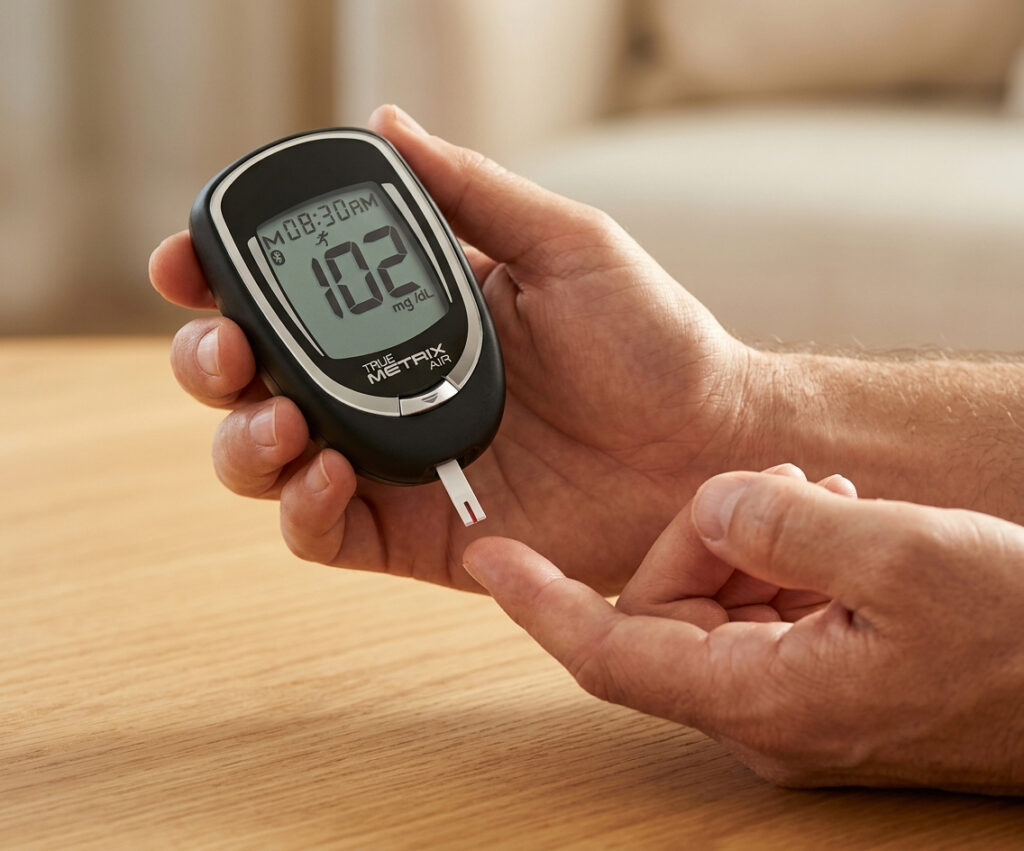
How to properly use the Trividia Blood Glucose Meter

How to Use Your Trividia Blood Glucose Meter

The FDA-cleared Trividia Blood Glucose Meter (BGM) is an advanced remote patient monitoring tool for managing diabetes. The compact device accurately measures blood glucose levels and seamlessly connects patients and healthcare providers. In this article, we will explore the essential steps and tips for effectively utilizing the Trividia remote patient monitoring glucometer, empowering individuals with

How to Use Your Trividia Blood Glucose Meter Read More »

Importance of Remote patient monitoring private insurance

Remote Patient Monitoring Private Insurance Coverage in 2026

Remote patient monitoring private insurance coverage has changed more in the past year than in the three years before it. Remote patient monitoring (RPM) is now a standard part of chronic care in Medicare. Commercial plans are taking a more selective path. Several large insurers rewrote their RPM policies in late 2025 and early 2026,

Remote Patient Monitoring Private Insurance Coverage in 2026 Read More »

What are the advantages of remote patient monitoring?

What are the Advantages of Remote Patient Monitoring?

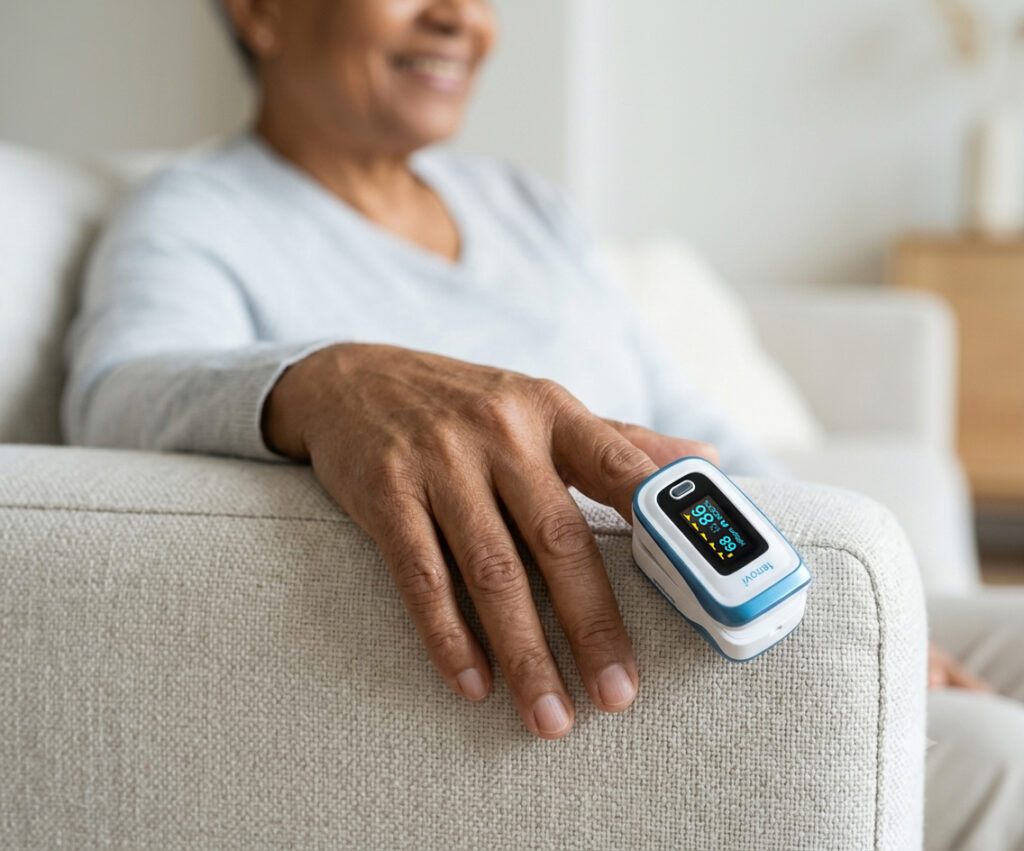
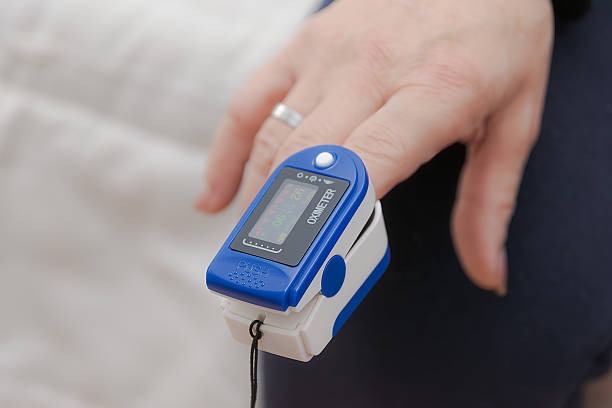
The advantages of remote patient monitoring reach patients, caregivers, clinicians, and payers. Remote patient monitoring (RPM) uses connected medical devices to send health readings from home to a care team. Blood pressure, weight, glucose, and oxygen levels arrive every day, not only at the next appointment. That steady flow of data matters. According to the

What are the Advantages of Remote Patient Monitoring? Read More »

APCM Codes 2025

Guide to Advanced Primary Care Management (APCM) Codes 2026

APCM codes 2026 support a monthly, whole-person approach to advanced primary care management (APCM) for Medicare patients. The Centers for Medicare & Medicaid Services (CMS) created them in the CY 2025 Physician Fee Schedule (PFS) final rule. For 2026, the CY 2026 PFS final rule kept the three base codes and added optional behavioral health

Guide to Advanced Primary Care Management (APCM) Codes 2026 Read More »

Monitoring Alzheimer's Disease with remote patient monitoring

Monitoring Alzheimer’s Disease With Remote Patient Monitoring

Monitoring Alzheimer’s disease at home gives care teams a real-world view of how patients are doing between visits. Remote patient monitoring (RPM) captures cognitive and functional changes in the environment where patients actually live, which a periodic office visit cannot. For families and clinicians managing a progressive condition, that continuous view can make the difference

Monitoring Alzheimer’s Disease With Remote Patient Monitoring Read More »

What is remote body temperature monitoring?

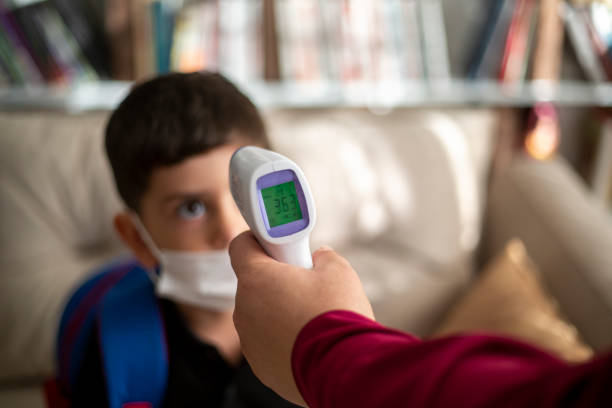
Remote Body Temperature Monitoring: Enhancing Care and Safety

Remote body temperature monitoring gives clinicians a continuous view of one of the most basic vital signs in medicine. A remote patient monitoring thermometer sends readings from a patient’s home straight to the care team, without an office visit. Temperature shifts often precede other symptoms, so remote body temperature monitoring can surface infection, inflammation, or

Remote Body Temperature Monitoring: Enhancing Care and Safety Read More »