Telehealth research studies offer measurable evidence on what works in remote care. Recent telehealth research studies link remote patient monitoring (RPM) to lower mortality, fewer hospital readmissions, and better chronic disease control. This guide summarizes the strongest current findings and explains what they mean for care teams. The goal is proactive, preventive care that helps patients stay healthier at home while easing pressure on clinical staff.
Early telehealth work often relied on small pilots and short follow-up periods. Today the evidence base is deeper and more rigorous. Large randomized trials and systematic reviews now report consistent results across conditions and settings. That shift gives providers firmer ground for clinical and operational decisions.
Telehealth Research Studies for Care Teams
Evidence guides adoption. When practices weigh a new remote monitoring program, telehealth research studies help them set realistic expectations for outcomes, staffing, and reimbursement. Peer-reviewed data also supports payer conversations and internal buy-in.
The field has matured since early pilot work. Reviews now draw on hundreds of randomized trials across hypertension, heart failure, diabetes, and post-discharge care. That volume lets researchers move past single-site results and measure effects across large, diverse patient groups. For an overview of what stops teams from starting, see Tenovi’s guide on how to overcome barriers to implementing remote patient monitoring.
7 Key Findings From Recent Telehealth Research Studies
The findings below reflect current peer-reviewed telehealth research studies and foundational trials. Each links to its primary source so clinical teams can review the methods directly.
1. RPM Lowers Mortality and Heart Failure Hospitalizations
A 2025 meta-analysis of 41 randomized controlled trials found remote patient monitoring was associated with 19% lower odds of mortality. The same analysis reported 22% lower odds of a first heart failure hospitalization. Heart failure remains one of the most studied conditions in remote monitoring because early weight and symptom changes often signal decompensation. Daily readings give care teams time to adjust treatment before a patient needs the emergency department.
2. Remote Monitoring Reduces Hospital Readmissions
Readmissions are costly for patients and health systems. A 2025 study from UC San Diego Health found a virtual transition-of-care clinic cut 30-day readmissions to 14.9%, compared with 20.1% in the benchmark group. A separate 2024 prospective cohort study reported that home telemonitoring reduced readmissions and emergency visits among high-risk patients after discharge. Both point to the same conclusion: structured follow-up at home catches problems earlier.
3. Telehealth Improves Blood Pressure Control in Hypertension
Hypertension responds well to consistent measurement and timely follow-up. A large retrospective cohort analysis associated remote patient monitoring with improved blood pressure outcomes. Patients in team-based programs saw systolic pressure fall by roughly 13 to 17 mm Hg. Regular home readings also reduce white-coat effects and give clinicians a fuller picture between visits.
4. Telehealth Supports Medication Adherence in Type 2 Diabetes
A meta-analysis of 18 studies found telehealth interventions significantly increased medication adherence in patients with type 2 diabetes. Adherence gains matter because they connect directly to glycemic control. Recent reviews link remote care with an average drop of about 3.3 points in A1c. Better adherence lowers the risk of costly complications over time.
5. RPM Data Improves Prediction of 30-Day Readmission
A randomized trial published in Nature tested whether remote patient monitoring data could predict readmissions. Researchers assigned 500 discharged patients to collect data with a smartphone or wearable. Adding post-discharge RPM data significantly improved prediction accuracy over models that used hospital data alone. Wearables captured extra signals, such as sleep patterns, that sharpened risk estimates. These models help teams focus attention on the patients who need it most.
6. Telehealth Expands Access for Rural Patients
Distance is a barrier to specialty care. A study at the Fred Hutchinson Cancer Center found rural patients with urologic cancer reported satisfaction comparable to in-person visits. Rural patients using telehealth also faced lower travel and financial costs. In emergency settings, a telestroke analysis showed remote specialists helped confirm stroke diagnoses in rural hospitals. For more on this topic, see Tenovi’s overview of telehealth in rural communities.
7. RPM May Reduce Overall Healthcare Utilization
A 2025 systematic review and meta-analysis in JMIR mHealth and uHealth examined 40 randomized trials published between 2017 and 2024. It found remote patient monitoring may modestly reduce the share of patients hospitalized compared with usual care. The authors rated the certainty of evidence as low, so more high-quality trials are still needed. Even modest reductions in avoidable use carry weight across large patient panels.
What Makes a Strong Telehealth Research Study
Not every study carries the same weight. When reviewing telehealth research studies, care teams should look at design, size, and follow-up. Randomized controlled trials and systematic reviews sit at the top of the evidence hierarchy. Larger samples and longer follow-up periods produce more reliable estimates.
Certainty also matters. Some reviews rate their findings as low or moderate certainty, which signals that results may change as new trials appear. Watch for how a study defines its outcomes, such as readmissions, mortality, or blood pressure targets. Consistent definitions make it easier to compare results across studies. Finally, consider the setting. A finding from a large academic health system may not translate directly to a small rural clinic, though many effects hold across sites.
How Providers Can Apply These Telehealth Research Studies
Evidence is most useful when it shapes program design. The strongest results come from programs that pair reliable devices with a consistent clinical response. A patient can only benefit from a reading if a care team reviews it and acts.
Start with conditions where the data is clearest, such as hypertension, heart failure, and diabetes. Choose connected devices that transmit readings automatically, so patients are not asked to log data by hand. The Tenovi Gateway, for example, sends measurements over cellular networks without home Wi-Fi or an app. To see how devices fit into a program, review Tenovi’s guide to remote patient monitoring devices in healthcare.
Reimbursement supports these programs, but the clinical case comes first. Remote patient monitoring and remote therapeutic monitoring (RTM) are designed to catch problems earlier and reduce avoidable costs. When care teams treat monitoring as preventive rather than reactive, patients tend to stay healthier and out of the hospital.
Frequently Asked Questions About Telehealth Research Studies
1) What do telehealth research studies say about patient outcomes?
Recent telehealth research studies link remote patient monitoring to lower mortality, fewer hospitalizations, and better control of chronic conditions. A 2025 meta-analysis of 41 randomized trials reported 19% lower odds of mortality and 22% lower odds of a first heart failure hospitalization. Results are strongest for hypertension, heart failure, and diabetes.
2) Does remote patient monitoring reduce hospital readmissions?
Evidence suggests it does for many patient groups. A 2025 UC San Diego Health study found a virtual transition clinic cut 30-day readmissions from 20.1% to 14.9%. A 2024 cohort study also reported fewer readmissions and emergency visits among high-risk patients after discharge.
3) Are telehealth outcomes as good as in-person care?
For many conditions, yes. A systematic review of studies from 2020 to 2025 found telehealth outcomes generally comparable to in-person care. Rural cancer patients reported similar satisfaction while spending less on travel. Telehealth works best as part of a coordinated program, not as a full replacement for every visit.
4) Which conditions benefit most from remote patient monitoring?
Hypertension, heart failure, and type 2 diabetes have the deepest evidence base. These conditions rely on frequent readings, such as blood pressure, weight, and blood glucose. Post-discharge patients at high risk of readmission also show clear benefits from structured home monitoring.
5) How can providers start a remote patient monitoring program?
Begin with one or two conditions and reliable connected devices. Define who reviews readings and how the team responds to alerts. Confirm which CPT codes apply and document time and readings accurately. Tenovi supports practices with devices, a cellular Gateway, and fulfillment and data APIs.
Understanding Telehealth Research Studies
Telehealth research studies give care teams a clear, evidence-based case for remote patient monitoring. Across dozens of randomized trials, remote monitoring is linked to lower mortality, fewer readmissions, better blood pressure and glycemic control, and wider access for rural patients. The best results come from programs that combine dependable devices with a consistent clinical response. Evidence is still growing, and certainty varies by condition, so ongoing telehealth research studies will keep refining best practices. Used well, remote monitoring supports proactive, preventive care that keeps patients healthier at home.
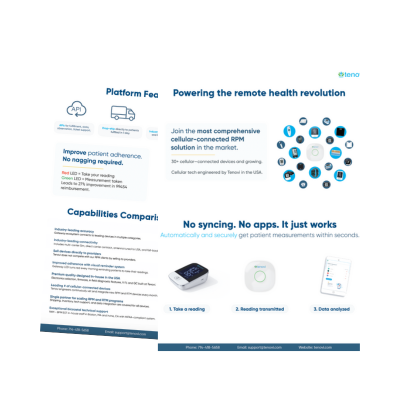
Tenovi provides connected remote patient monitoring devices and a cellular Tenovi Gateway that transmits readings automatically, with no patient app or home Wi-Fi required. Practices, health systems, and RPM companies use Tenovi’s hardware, fulfillment, and data APIs to launch and scale programs quickly. To see how it works for your patients, contact us for a free demo and consultation.