Achieving effective weight management for diabetes is one of the most impactful steps you can take toward reclaiming your health and vitality. According to the American Diabetes Association, losing just 5% to 7% of your body weight can significantly improve insulin sensitivity and may even lead to diabetes remission in some cases. While the journey requires dedication, the long-term benefits for your heart, kidneys, and energy levels are immeasurable.
The Science Behind Weight Management for Diabetes
When we discuss weight management for diabetes, we are really talking about metabolic efficiency. Excess body fat, particularly around the abdomen, produces pro-inflammatory chemicals that make it harder for your cells to respond to insulin—a condition known as insulin resistance. By reducing this fatty tissue, you allow glucose to enter your cells more freely, which naturally lowers your blood sugar levels.
The Mayo Clinic emphasizes that there is no “one-size-fits-all” diet. However, successful weight management usually involves:
- Prioritizing Low-Glycemic Foods: Foods like lentils, oats, and non-starchy vegetables digest slowly, providing steady energy without sharp sugar spikes.
- Lean Protein Integration: Including fish, poultry, or plant-based proteins helps maintain muscle mass while you lose fat.
- Hydration Mastery: Replacing sugary beverages with water or herbal teas is often the simplest way to cut hundreds of hidden calories.
Weight Management for Diabetes and Remote Monitoring
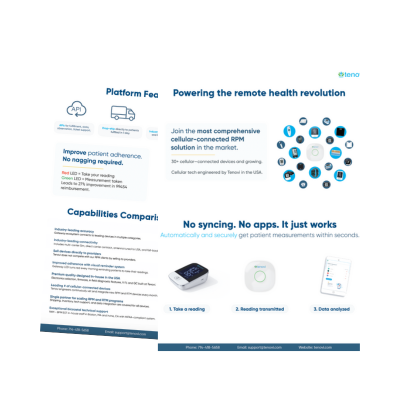
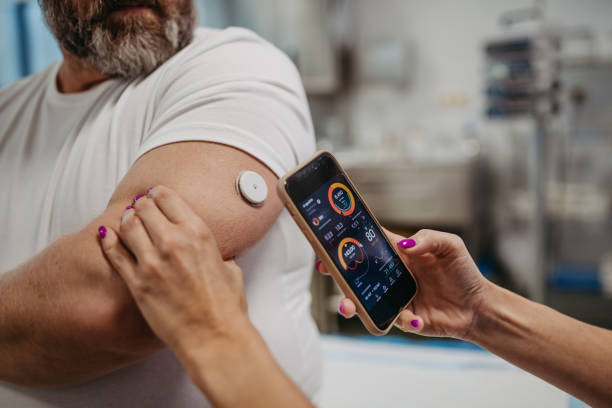
A modern approach to weight management for diabetes increasingly relies on the “digital twin” of traditional medicine: remote patient monitoring (RPM). RPM is used for remote diabetes monitoring which involves using smart devices, such as cellular-connected scales and continuous glucose monitors (CGM), to track your progress in real-time.
How RPM transforms your weight loss journey:
- Data-Driven Decisions: Instead of waiting for a three-month checkup, you and your doctor can see how your weight and glucose react to specific lifestyle changes daily.
- Behavioral Insights: Remote monitoring helps identify patterns, such as the “dawn phenomenon” or stress-induced eating, that might be stalling your progress.
- Enhanced Support: Many RPM programs include access to health coaches or digital educators who can offer immediate encouragement when your data shows you’re hitting a plateau.
- Challenges in Your Weight Management Journey
The path of weight management for diabetes is rarely a straight line. Physical activity is a cornerstone of this process, but it must be approached safely. The CDC recommends 150 minutes of moderate activity per week, but if you have been sedentary, starting with ten-minute walks after meals is a proven way to lower post-meal blood sugar.
It is also vital to address the psychological side of weight management. Stress and lack of sleep can increase cortisol levels, which signals the body to store fat and can trigger cravings for high-carb “comfort foods.” Incorporating mindfulness or better sleep hygiene can be just as important as the food on your plate.
Preparing for the Conversation with Your Doctor
If you are ready to take the next step in weight management for diabetes, it helps to go into your next appointment with a clear game plan. Discussing technology and support systems with your healthcare team can open doors to new resources. Consider asking these targeted questions:
- On Program Eligibility: “Based on my current A1c and weight goals, would I be a good candidate for a formal remote patient monitoring program?”
- On Specific Devices: “Would using a continuous glucose monitor or a cellular-connected smart scale help us get a better picture of my progress?”
- On Data Integration: “How can I share my digital tracking data with your office between visits to ensure I’m staying on track?”
- On Professional Support: “Does your practice offer access to a certified diabetes care and education specialist via telehealth for more frequent check-ins?”
Long-Term Sustainability and Support
Successful weight management occurs when building a lifestyle that supports your biological needs. Utilizing tools like telehealth ensures that you have constant access to nutritional counseling and medical adjustments without the stress of frequent travel to a clinic.
By combining the latest in medical technology with foundational healthy habits, you aren’t just managing a number on a scale—you are actively protecting your future. Whether you are working with a primary care physician or a specialist, remember that every small, consistent choice builds the momentum needed for lasting change.
Tenovi works exclusively with companies that would like to offer remote patient monitoring solutions to healthcare providers, including RPM service and software companies, chronic care management companies, and telehealth companies. Their no sync, no app RPM hardware and software services can help partners set up remote blood glucose monitoring for their patients. Book your free demo today.