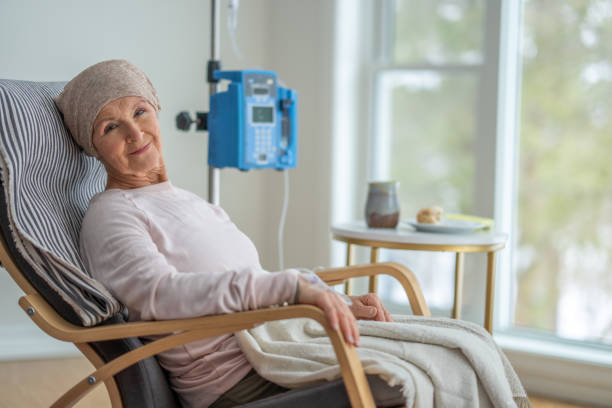
An at-home blood count analyzer lets cancer patients complete blood tests from home instead of traveling to a clinic for every draw. The technology gives care teams real-time data, reduces the number of appointments a patient must attend, and supports a more proactive model of cancer care. For patients whose treatment already demands frequent monitoring, that shift can meaningfully improve day-to-day life.
This article explains how an at-home blood count analyzer works, where the technology stands today, and what it means for the move toward more personalized, patient-centered cancer care.
Why Frequent Blood Monitoring Matters in Cancer Care
Cancer treatment is a demanding journey, and chemotherapy affects each patient differently. Regular blood monitoring is essential to catch complications early. One of the most serious is febrile neutropenia, a common side effect that weakens the immune system and raises the risk of dangerous infection.
Traditionally, this monitoring happens during outpatient appointments. Frequent visits are time-consuming, costly, and resource-intensive for patients and providers alike. Researchers describe the cumulative burden of these appointments as “time toxicity,” a concept detailed in the Journal of Clinical Oncology. Reducing that burden is a central goal of at-home monitoring.
How an At-Home Blood Count Analyzer Works
An at-home blood count analyzer removes the need for many in-person blood draws. Patients perform a test at home, often from a single drop of blood taken by finger prick, and the device analyzes the sample. Results are then securely transmitted to the care team, which reviews them in a remote monitoring dashboard alongside symptoms and vital signs.
The clearest example is Entia’s Liberty analyzer, about the size of a laptop, designed specifically for cancer patients. It performs a full blood count from a small capillary sample and shares results through a secure dashboard. It is worth being precise about regulatory status. Entia’s device received UK certification in 2024 as the world’s first home-use full blood count analyzer for cancer patients, and the company has pursued additional clinical evidence and regulatory pathways since. Care teams evaluating any at-home blood count analyzer should confirm its current clearance status in their own market before use.
Benefits of an At-Home Blood Count Analyzer
The benefits of an at-home blood count analyzer extend to both patients and providers.
| Benefit | For Patients | For Care Teams |
|---|---|---|
| Fewer appointments | Less travel and waiting; lower time toxicity | Freed clinic capacity |
| More frequent data | A more active role in care | Earlier detection of complications |
| Real-time results | Faster reassurance | Timely intervention before hospitalization |
| Home-based testing | Comfort and reduced infection exposure | Better view of health between cycles |
By enabling at-home health monitoring of symptoms and vital signs, a blood count analyzer reduces the demands of routine assessment. More frequent monitoring supports more personalized care, letting clinicians identify and address problems promptly. The real-time data also helps care teams avoid costly hospitalizations and opens the door to AI-assisted tools that can strengthen clinical decision-making.
Toward a Preventive Model of Cancer Care
An at-home blood count analyzer reflects a broader shift in oncology toward proactive, preventive care. By freeing clinic appointments and enabling early intervention, the technology can save time and resources for providers facing staffing shortages, while giving patients a fuller role in their own care.
This is part of a larger movement in digital health in cancer care toward personalized, patient-centered treatment. When patients can monitor their health from home and clinicians can act on that data quickly, care becomes less about reacting to complications and more about preventing them.
Frequently Asked Questions About the At-Home Blood Count Analyzer
1) What is an at-home blood count analyzer?
An at-home blood count analyzer is a medical device that lets patients perform a blood test from home, often from a single drop of blood. It analyzes the sample and securely sends results to the care team for review.
2) How does an at-home blood count analyzer help cancer patients?
It reduces the number of in-person appointments needed for blood monitoring, lowers time toxicity, and gives care teams frequent data to catch complications such as febrile neutropenia earlier.
3) Is an at-home blood count analyzer approved for use?
Entia’s Liberty analyzer received UK certification in 2024 as the world’s first home-use full blood count analyzer for cancer patients. Regulatory status varies by market, so care teams should confirm current clearance before adopting any device.
4) What is time toxicity in cancer care?
Time toxicity describes the quality-of-life and financial burden that frequent healthcare appointments place on cancer patients. At-home monitoring aims to reduce it by cutting unnecessary trips to the clinic.
5) How does at-home blood testing fit into remote patient monitoring?
At-home blood testing adds objective lab data to remote patient monitoring, complementing symptom and vital-sign tracking. Together they give clinicians a fuller picture of a patient’s health between treatment cycles.
Understanding the At-Home Blood Count Analyzer
The at-home blood count analyzer shows how remote monitoring is reshaping cancer care. By allowing patients to test from home and giving clinicians real-time data, the technology reduces appointment burden, supports earlier intervention, and advances a preventive, patient-centered model of care. Regulatory pathways are still maturing, so market clearance should be verified in each region, but the direction is clear: home-based monitoring gives patients a more active role and helps care teams focus their time where it matters most.
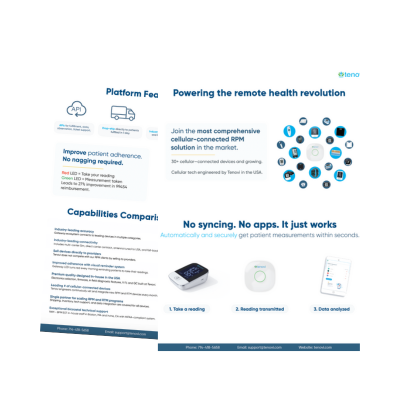
Tenovi provides the cellular-connected devices and infrastructure that healthcare organizations use to build remote patient monitoring programs, including the symptom and vital-sign monitoring that complements at-home lab testing. To see how Tenovi can support your program, contact us for a free demo and consultation.