
When Men’s Health Week comes around, the conversation rightfully focuses on heart health, prostate checks, mental well-being, and staying active. But there is a silent, interconnected threat that frequently flies under the radar until it is too late: the dangerous relationship between high blood pressure and kidney disease in men.
Hypertension (high blood pressure) is incredibly common, often dismissed as just a normal part of getting older or experiencing stress. However, it isn’t just a heart issue. It is a primary driver—and a direct result—of Chronic Kidney Disease (CKD). As kidney function declines, between 60% and 90% of individuals will develop high blood pressure.
Recent clinical research published in the Journal of Human Hypertension shows that when it comes to the intersection of blood pressure and kidney disease, the stakes for men are uniquely high.
High Blood Pressure and Kidney Disease: Men Face a Steeper Uphill Battle
A massive review of high blood pressure and kidney disease revealed startling facts about how kidney disease impacts men and women differently. While women are technically more likely to develop CKD overall, the biological reality of the disease is much harsher on the male body.
If you are a man dealing with high blood pressure, you need to understand how the odds shift once kidney decline begins:
| Health Metric | The Clinical Reality for Men |
| Disease Progression | Once developed, chronic kidney disease progresses significantly faster in men than in women. |
| Mortality Risk | According to the Global Burden of Disease Study, age-standardized CKD-related mortality is markedly higher in men—an increased risk of around 30%. |
| Extreme Interventions | Because the disease progresses aggressively, men have a significantly higher rate of requiring kidney replacement therapies, including dialysis and kidney transplants. |
The Hormone Factor
Researchers believe these disparities are largely driven by biology and genetics. Hormones play a major role in how our organs age and endure stress. While estrogen may offer some protective, disease-slowing benefits for women, testosterone may unfortunately have deleterious effects on kidney function over time, making male kidneys more vulnerable to rapid decline when put under the pressure of hypertension.
The Two-Way Street: How Hypertension Damages Kidneys
To understand why this happens, you have to understand the two-way street of your vascular system. Your kidneys are essentially massive, complex biological filters made of thousands of tiny blood vessels.
When your blood pressure is high, the force of blood flowing through those tiny vessels damages them over time. Once damaged, the kidneys cannot filter waste efficiently. Consequently, as the kidneys fail, they lose their ability to regulate hormones that control blood pressure, causing your blood pressure to spike even higher. It is a vicious cycle that, if left unchecked, accelerates the path to kidney failure.
The Diagnosis Paradox: You Are Getting Screened, But Is It Enough?
The data isn’t entirely grim for men. In fact, the research highlights an interesting medical paradox: while men fare worse biologically, the healthcare system is highly proactive at catching male kidney issues.
Studies from Sweden and the UK (such as the SAIL Databank) show that men are closely monitored when hypertension is present. When men show biochemical indicators of kidney decline (like an eGFR under 60), they are twice as likely as women to have a formal CKD diagnosis recorded in their medical files and are referred to nephrology specialists much faster.
Furthermore, men with high blood pressure are tested for albuminuria—a crucial urine marker for kidney damage and cardiovascular risk—at much higher rates than women. The problem? Even with this advantage, the overall rate of albuminuria screening in people with hypertension is less than 5%. Many men are still slipping through the cracks.
Advancements in Treatment
Because men have historically made up the majority of participants in cardiovascular and CKD clinical trials, modern treatments are highly optimized for the male body.
If you are diagnosed with high blood pressure and early-stage kidney disease, doctors have powerful tools to slow the progression:
- RAS Inhibitors: These are first-line blood pressure medications specifically emphasized for individuals showing protein in their urine, helping to protect the kidneys from further damage.
- SGLT2 Inhibitors: Originally developed for diabetes, these groundbreaking medications have recently been shown in large clinical trials to significantly slow down kidney disease progression, regardless of blood pressure.
The Future of Care: How Remote Patient Monitoring (RPM) Helps
For those who may live far from a medical facility or suffer from “white coat syndrome” (where your blood pressure spikes just from being in a clinical setting), remote patient monitoring (RPM) may help with management and monitoring of kidney disease.
What is RPM?
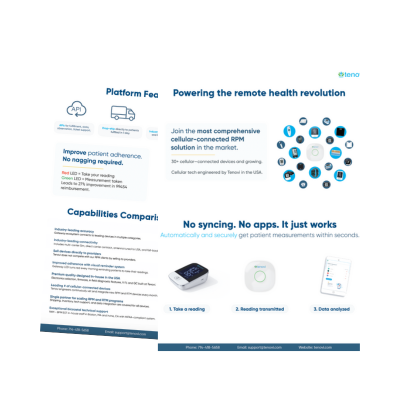
RPM uses digital technologies to collect medical data from you in one location (like your living room) and securely transmit that information to your healthcare providers in a different location. For high blood pressure and kidney health, this usually involves a smart, cellular-connected blood pressure cuff.
Why is it a Game-Changer for Men’s Health?
Instead of relying on a single blood pressure reading taken at a doctor’s office once or twice a year, RPM allows your care team to see a daily, real-world picture of your cardiovascular health.
- Proactive, Not Reactive: If your blood pressure starts trending dangerously high, your doctor’s office gets an alert and can adjust your medication over the phone—before it causes permanent kidney damage.
- Fewer Office Visits: By continuously streaming your vitals to your provider, you can often skip the inconvenient routine check-ins.
- Better Accuracy: Taking your blood pressure in the comfort of your own home provides a much more accurate baseline than a rushed reading in a busy clinic.
This Men’s Health Week, do not let your kidneys be an afterthought. High blood pressure is a warning sign, listen to it. Modern tools like RPM, and take control of your long-term health.
Men’s Health Week Action Plan
The medical community has the tools to protect your kidneys, but the aggressive nature of the disease in men means you have to be your own best advocate. Because men face a 30% higher risk of mortality from CKD, catching the warning signs early is non-negotiable.
If you have high blood pressure, diabetes, or a family history of kidney issues, take these actionable steps this week:
- Control Blood Pressure: Optimizing your blood pressure is the absolute best way to reduce cardiovascular risk and slow down kidney disease. Take your prescribed medications consistently and monitor your numbers at home.
- Albuminuria Test: If you have high blood pressure, you can ask your doctor for a simple Urine Albumin-to-Creatinine Ratio (uACR) test. This checks for protein leaking into your urine—a massive red flag for end-organ damage that is often missed in standard check-ups.
- eGFR: Ensure your routine blood work includes an estimated Glomerular Filtration Rate (eGFR). This number explain how well the kidneys are filtering waste.
- Discuss Kidney-Protective Medications: If you have hypertension and signs of kidney strain, you can ask your doctor if RAS inhibitors or SGLT2 inhibitors are right for you.
- Ask About remote patient monitoring (RPM): You no longer have to wait for a 6-month check-up to see if your blood pressure strategy is working. Ask your clinic if they offer an RPM program to track your vitals from home.