Recent findings from a Mayo Clinic study shed light on the efficacy of how remote patient monitoring in lung transplant care can transform long-term recovery. As healthcare systems navigate workforce shortages and growing pressure to reduce hospital readmissions, digital monitoring programs offer a vital bridge between traditional episodic visits and continuous, data-driven patient management.
Here is an in-depth look at the research, citing an April 16, 2026, Mayo Clinic observational study, and what it means for the future of post-transplant recovery.
The Clinical Benefits of Remote Patient Monitoring in Lung Transplant Care
Transplant recipients are medically complex patients requiring vigilant post-surgical oversight. Risks such as infection, organ rejection, medication complications, and rapid respiratory decline mean that timely interventions are critical.
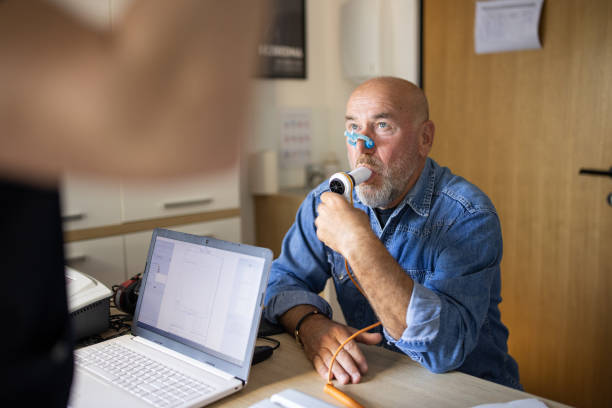
The Mayo Clinic study evaluated a program that allowed patients to transmit vital clinical data from home, including:
- Spirometry readings to track lung function.
- Vital signs to monitor overall physiological stability.
- Symptom reporting to flag early warning signs of complications.
By utilizing remote patient monitoring in lung transplant care, clinical teams can detect physiological changes much sooner than relying solely on traditional follow-up appointments. The data is reviewed by centralized digital health teams—often remote monitoring nurses and coordinators—who can immediately escalate concerns to transplant specialists, ultimately improving patient safety and enabling earlier clinical intervention.
Navigating Implementation Barriers
While the clinical benefits are highly promising, researchers noted that broader adoption of remote patient monitoring in lung transplant care is limited by operational and technological hurdles. High-risk populations require continuous monitoring, which creates vast amounts of patient-generated health data.
Key Success Factors vs. Implementation Challenges
| Success Factors for RPM Programs | Corresponding Implementation Challenges |
| Workflow Integration | High volumes of alerts can lead to “alert fatigue” and increased workload burdens for clinical teams if not properly triaged. |
| Patient Engagement | Patients must manage complex medical regimens alongside long-term monitoring, which can lead to early discontinuation. |
| Technology & Access | Limited digital literacy and inconsistent internet access can prevent vulnerable patients from participating effectively. |
| Clinical Staffing Support | Requires dedicated digital health teams; difficult to maintain amid reported Health Resources and Services Administration (HRSA) workforce shortages. |
If monitoring systems are not carefully integrated into electronic health records (EHR) and existing workflows, they risk contributing to clinician fatigue and operational inefficiencies rather than solving them.
Expanding Beyond Traditional Clinical Settings
The exploration of remote patient monitoring in lung transplant care reflects a massive shift in the healthcare industry. Health systems, policymakers, and global organizations like the World Health Organization (WHO) are increasingly recognizing digital health as a core strategy to improve healthcare access, coordinate chronic disease management, and maximize workforce efficiency.
Digital tools, ranging from wearable sensors to telehealth communication, are proving to be highly effective for specialty care management. However, as the Mayo study highlights, achieving scalable success requires resolving ongoing concerns regarding reimbursement models, operational sustainability, and digital health regulations.
Understanding
The April 2026 Mayo Clinic study serves as strong evidence that digital tools can safely complement in-person evaluations for highly specialized, vulnerable populations. Ultimately, the successful integration of remote patient monitoring in lung transplant care depends not just on the technology itself, but on strong workflow integration, reliable technological access, and sustained support for both the patients and the clinicians managing their care.
Tenovi works exclusively with companies that would like to offer remote patient monitoring solutions to healthcare providers. Are you an RPM software and services company, chronic management organization, or health system or telehealth company interested in trying our platform? Contact us for a free consultation and demo.