emote monitoring of vital signs lets clinical teams track a patient’s key health indicators between office visits. The vital signs captured through a remote patient monitoring (RPM) device include heart rate, respiratory rate, blood pressure, and oxygen saturation. Other physiological measurements can also be collected, such as weight, temperature, blood glucose, fetal heart rate, and peak expiratory flow.
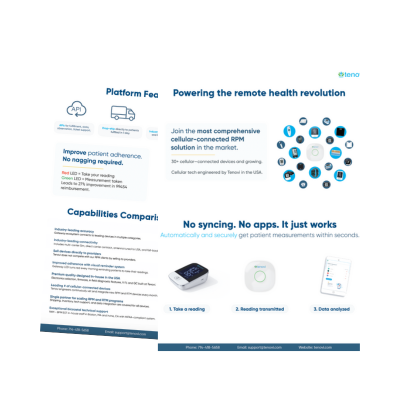
With the Tenovi Cellular Gateway, a patient can measure more than one vital sign at home. A range of Bluetooth RPM devices connect to the Gateway, so every device shares a single cellular connection. The Gateway also gives patients a visual reminder to take their readings, which supports adherence.
Remote monitoring of vital signs offers several benefits:
- Early detection of health changes
- Timely clinical intervention
- Better patient outcomes
- Wider access to care
- Greater convenience for patients
- Active patient participation in their own health
This guide examines the technology behind remote vital sign monitoring, the measurements it captures, and its effect on patients and healthcare providers in 2026.
What Are the Major Vital Signs RPM Can Measure?
Remote patient monitoring of vital signs uses RPM devices with sensors that collect health data outside a hospital or clinic. RPM now supports care that ranges from post-transplant follow-up in lung transplant patients to earlier recognition of sepsis. Common data points include heart rate, blood pressure, oxygen saturation, respiratory rate, and temperature.
Vital signs are measurements of the body’s most basic functions. Vital sign monitoring is the ongoing or periodic assessment of the physiological parameters that describe a person’s overall health.
According to the Cleveland Clinic, the four main vital signs are:
- Pulse (heart rate)
- Respiratory rate (breathing rate)
- Blood pressure
- Body temperature
Tracking these parameters helps clinicians evaluate a patient’s condition, spot abnormalities, follow changes over time, and make informed decisions. The sections below explain each vital sign and why it matters.
Remote Monitoring of Vital Signs: Heart Rate (Pulse)
Heart rate is the number of times the heart beats per minute (BPM). It reflects how efficiently the heart pumps blood through the body. A resting heart rate usually falls between 60 and 100 BPM, though age, fitness level, and overall health can shift that range. The American Heart Association’s target heart rate chart helps patients find the range that fits their age.
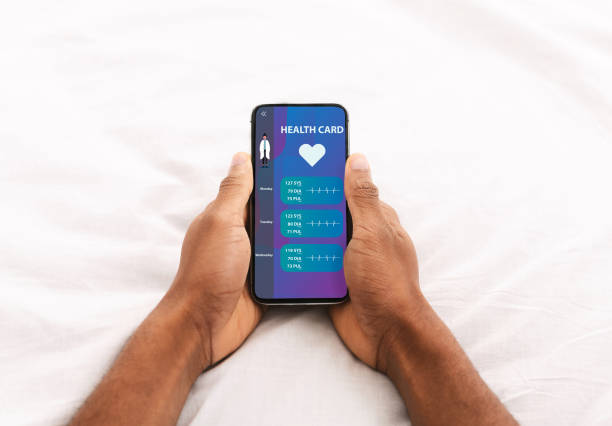
A remote blood pressure monitor helps patients confirm that heart rate and blood pressure stay within a healthy range. FDA-cleared blood pressure monitors display heart rate, systolic pressure, and diastolic pressure in a single reading.
Remote Monitoring of Vital Signs: Respiratory Rate
Respiratory rate is the number of breaths a person takes per minute. It offers data about lung function and the body’s oxygen exchange. As a person inhales, oxygen reaches the lungs and passes to the organs, while exhaling clears carbon dioxide. A steady respiratory rate helps keep oxygen and carbon dioxide in balance. According to the Cleveland Clinic, a normal resting rate runs between 12 and 20 breaths per minute.
Pulse oximeters, usually placed on a fingertip, measure blood oxygen levels and can help track respiratory status. Clinicians rely on FDA-cleared pulse oximeters for accurate readings of blood oxygen, pulse rate, and perfusion index when they build a treatment plan. Remote respiratory monitoring can also capture peak expiratory flow with a peak flow meter.
Remote Monitoring of Vital Signs: Body Temperature
Body temperature measures the body’s internal heat. It helps clinicians assess metabolic activity, detect infection, and follow a patient’s response to treatment. Average body temperature varies by measurement site but usually sits between 97°F and 99°F (36.1°C to 37.2°C).
Temperature moves away from normal during a fever, marked by a high reading, or hypothermia, marked by a low one. The American Academy of Family Physicians defines a fever as a rise of one degree or more above the standard 98.6°F. Hypothermia is a drop below 95°F.
Case studies show the value of vital sign monitoring in general surgery and wound care. By catching postoperative complications early, remote monitoring can protect patients and improve recovery. RPM also helps detect febrile neutropenia, a common complication in cancer patients. RPM thermometers include contact and non-contact options for checking symptomatic patients.
Blood Pressure
Blood pressure is often measured alongside the primary vital signs. It reflects the force of blood against the artery walls and is written as systolic pressure over diastolic pressure, such as 120/80 mmHg. Systolic pressure is the force when the heart contracts, and diastolic pressure is the force when the heart rests. The CDC reports that normal blood pressure for most adults is around 120/80 mmHg.
A blood pressure monitor reports systolic pressure, diastolic pressure, and heart rate. The top number, systolic pressure, shows the force on the arteries each time the heart beats.
How Remote Monitoring of Vital Signs Works
FDA-cleared RPM devices capture a reading and transmit it automatically to the patient’s care team. There is no syncing and no app for the patient to manage. The Tenovi Gateway sends each measurement securely within seconds of the reading.
Remote monitoring of vital signs can take place in an ambulatory setting or at home. Continuous or scheduled readings let clinicians detect abnormalities or trends early, before they become urgent. Over time, home readings build a data set that reveals patterns a single office visit cannot show. Care teams use that data to identify triggers, measure how well an intervention is working, and support evidence-based decisions.
Benefits of Remote Monitoring of Vital Signs
Using Internet of Things (IoT) technology, remote monitoring of vital signs lets patients track and share health data with their care team. The approach is especially useful for people with chronic conditions. Patients recovering from surgery also benefit from earlier intervention and fewer hospital visits.
1) Convenience and Comfort
Remote monitoring of vital signs reduces the need for frequent trips to a clinic. With RPM devices, patients measure heart rate, blood pressure, respiratory status, temperature, and oxygen saturation at home. This saves time, lowers travel-related stress, and adds comfort for people with limited mobility or those in rural areas.
2) Early Detection of Health Changes
Regular home readings help patients set a baseline and notice changes early. By following their vital signs over time, patients and clinicians can spot trends and act before a problem grows. Early detection supports better management of chronic conditions.
3) Increased Awareness and Empowerment
Remote monitoring of vital signs builds self-awareness and helps patients take part in their own care. When patients understand correct device placement and watch their own readings, they can make informed choices about lifestyle, medication adherence, and when to seek care.
4) Stronger Care Team Collaboration
Sharing vital signs regularly gives clinicians a fuller picture of a patient’s health. That data helps care teams adjust treatment plans and offer guidance based on real readings rather than a single snapshot. Remote monitoring also supports virtual visits, which cuts down on in-person appointments.
5) Better Access to Quality Care
Remote patient monitoring connects patients in rural areas with providers who might otherwise be out of reach. Virtual visits, real-time monitoring, and remote assessment remove some of the distance barriers to care. Home monitoring also lowers travel costs for patients in rural communities.
Remote Monitoring of Vital Signs and 2026 Medicare Billing
Medicare reimburses remote patient monitoring through a set of CPT codes, and clinicians who understand them can build a sustainable program while keeping care proactive.
- CPT 99453 covers the initial setup and patient education for the RPM device, billed once per episode of care.
- CPT 99454 covers device supply with daily readings across a 30-day period, the established 16-to-30-day pathway.
- CPT 99457 covers the first 20 minutes of monthly treatment management time and requires at least one live, interactive conversation with the patient.
- CPT 99458 covers each additional 20 minutes of management time in the same month.
For 2026, CMS finalized two new codes that reflect shorter, more flexible monitoring. CPT 99445 covers device supply for patients with 2 to 15 days of data in a 30-day period. CPT 99470 covers the first 10 minutes of treatment management time, again with a required interactive conversation. These options let clinicians bill for patients whose needs do not reach the older 16-day or 20-minute thresholds. The 2026 codes cannot be combined with 99454 or 99457 in the same month for the same patient.
These updates matter because they widen access. Shorter monitoring windows make RPM practical for more patients, which supports the preventive, patient-first purpose of the program.
Frequently Asked Questions About Remote Monitoring of Vital Signs
1) What vital signs can remote patient monitoring measure?
RPM devices can capture heart rate, respiratory rate, blood pressure, oxygen saturation, and body temperature. Additional measurements include weight, blood glucose, peak expiratory flow, and fetal heart rate, depending on the devices in use.
2) How does remote monitoring of vital signs send data to the care team?
An FDA-cleared device takes a reading and transmits it automatically through a cellular gateway. With Tenovi, there is no app and no syncing for the patient. Each measurement reaches the care team securely within seconds.
3) Is remote monitoring of vital signs accurate?
Yes, when programs use FDA-cleared devices. These devices meet clinical accuracy standards for measurements such as blood pressure, pulse rate, and blood oxygen, which lets clinicians rely on the data for treatment decisions.
4) Who benefits most from remote monitoring of vital signs?
Patients with chronic conditions, those recovering from surgery, and people in rural or underserved areas tend to benefit most. Continuous data supports earlier intervention and reduces the need for frequent in-person visits.
5) Does Medicare pay for remote monitoring of vital signs?
Medicare reimburses RPM through CPT codes 99453, 99454, 99457, and 99458, plus the new 2026 codes 99445 and 99470 for shorter monitoring periods and shorter management time. Coverage typically follows standard Medicare Part B rules.
Understanding Remote Monitoring of Vital Signs
Remote monitoring of vital signs gives patients a way to take an active role in their own care. Convenience, early detection, greater awareness, and closer collaboration with clinicians all support better outcomes. By capturing heart rate, respiratory status, temperature, blood pressure, and oxygen saturation at home, patients and care teams gain a clearer, ongoing view of health that a single office visit cannot provide. The 2026 Medicare billing updates extend that reach to more patients through shorter, more flexible monitoring options.
Tenovi provides remote patient monitoring hardware and connectivity built for care teams. Our Cellular Gateway transmits patient measurements automatically, with no apps and no syncing for the patient. If you support an RPM, chronic care, or telehealth program, schedule a free demo and consultation to see why Tenovi offers a better RPM experience for patients, physicians, and care teams.