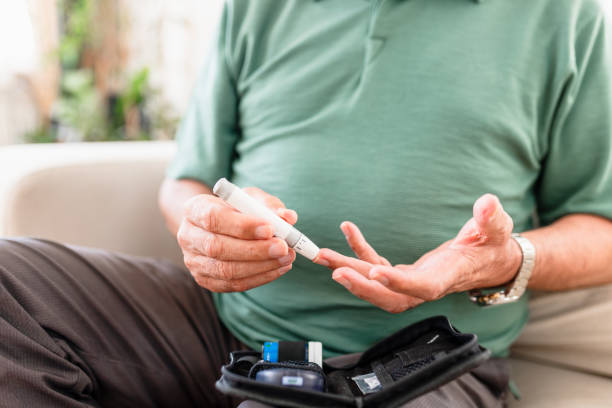
Remote patient monitoring (RPM) devices are connected medical devices that capture patient health data at home and transmit those readings to a care team for ongoing monitoring. Common RPM devices include blood pressure monitors, weight scales, pulse oximeters, blood glucose meters, thermometers, spirometers and other tools used to monitor chronic and post-acute conditions.
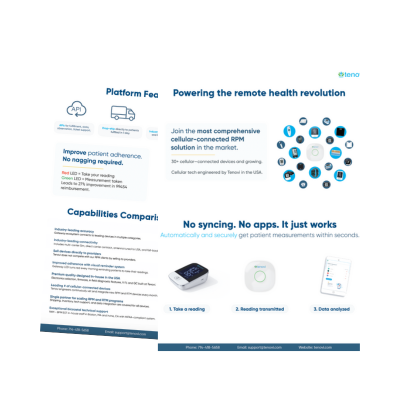
Choosing an RPM device is only one part of building and RPM program. Healthcare organizations also need to consider how readings are transmitted, how patients are onboarded, how devices integrate with clinical workflows, and how data reaches the care team reliably. Programs can become fragmented when each device depends on separate apps, Wi-Fi or manual syncing. Tenovi’s RPM device platform addresses this infrastructure challenge, with over 60 FDA-cleared cellular-connected devices that securely transmit readings automatically through the Tenovi Cellular Gateway. Patients use their devices at home and readings are sent to the care team without requiring apps, Wi-Fi, syncing or smartphone set up.
This guide explains what RPM devices are, the main device types and which conditions they support, what to consider when choosing connected RPM devices, and how device infrastructure affects scalability, patient adoption, and program performance.
What Are RPM Devices?
RPM devices are connected medical devices that measure vital signs including blood pressure, heart rate, oxygen saturation, blood glucose, temperature, weight, and respiratory function. The readings are transmitted to healthcare providers for continuous monitoring, which enables earlier interventions before a minor change becomes an emergency.
For RPM and chronic care management companies, RPM devices coupled with care management, keep patients engaged between visits. For value-based care players such as payers, health plans, and health systems, the same devices give care teams a continuous view of member health and help close gaps in care. In both cases, the device is only as useful as the data pipeline behind it, which is where reliable connectivity becomes essential.
Common Types of RPM Devices
Most RPM programs are built around a core set of device types, each mapped to one or more chronic or acute conditions. The table below summarizes the most widely used RPM devices and what they monitor.
| RPM Device | What It Measures | Common Use Cases |
|---|---|---|
| Blood pressure monitors | Systolic/diastolic blood pressure, pulse | Hypertension, cardiovascular health |
| Blood glucose meters | Blood sugar levels | Diabetes management |
| Pulse oximeters | Oxygen saturation (SpO2), heart rate | COPD, asthma, respiratory conditions |
| Weight scales | Body weight, fluid retention trends | Heart failure, obesity management |
| Peak flow meters | Peak expiratory flow (lung function) | Asthma, COPD |
| Thermometers | Body temperature | Infection detection, wound healing, post-surgical care |
RPM Devices in Healthcare
At Tenovi, we provide secure, user-friendly RPM devices designed for value-based healthcare organizations, telehealth, and chronic care management (CCM) companies. Our FDA-cleared devices integrate seamlessly with existing RPM programs, ensuring accurate data collection with minimal effort from patients and providers.
The devices are intentionally simple to use, with intuitive interfaces that make it easy for patients to take their own vital-sign readings at home. Tenovi RPM devices also offer versatility: companies can choose from a growing list of FDA-cleared Bluetooth, cellular-enabled, and partner devices with industry-leading accuracy.
Because Tenovi devices monitor a wide range of metrics, including blood pressure, temperature, heart rate, oxygen saturation, peak expiratory flow, blood glucose, and weight, they are appropriate for patients across many conditions. These range from chronic diseases such as asthma, diabetes, Alzheimer’s, and high blood pressure to acute conditions like respiratory infections and sepsis.
RPM Devices, Program Adoption and Outcomes
RPM adoption is expanding rapidly because the clinical and financial case is increasingly hard to ignore. Beyond the tens of millions of Americans already enrolled, the evidence shows that connected RPM devices improve outcomes for the chronic conditions that drive the most cost.
One study examined the impact of RPM on hospitalization rates among 126 COPD patients in an outpatient pulmonary practice between May 2019 and February 2022. Results showed a 65% reduction in all-cause hospitalizations, dropping from 137 to 48 total admissions, while cardiopulmonary-related hospitalizations declined 63.6%, from 88 to 32 admissions. The study highlights how RPM enables early identification of exacerbations before they require hospital care.
Those findings are consistent with the broader literature. A 2024 prospective cohort study published in JMIR Formative Research found that remote health monitoring significantly reduced hospital readmissions among high-risk post-discharge patients, reinforcing the value of RPM devices during the vulnerable care-transition window.
How RPM Devices Transmit Patient Data: The Tenovi Gateway
Not all RPM devices transmit data the same way. Some require Bluetooth pairing, a mobile app, Wi-Fi access or smartphone. Others use cellular connectivity or a hub-based model to send reading automatically. Reliable connectivity affects setup, adherence, support and avoids data gaps. Tenovi uses a Cellular Gateway model that connects to over 60 RPM and RTM connected health devices and transmits readings to the Tenovi Cloud, and from there into any RPM software platform through API calls.
Key benefits of the Tenovi Gateway include:
- FDA-cleared Bluetooth RPM devices arrive pre-paired with the Cellular Gateway for easy, out-of-the-box setup.
- Patients simply plug the Gateway into a power outlet. There are no apps to download, no accounts to create, and no Wi-Fi to configure.
- The Gateway connects across multiple major U.S. cellular networks for broad, reliable coverage, so readings transmit automatically wherever the patient lives.
For a deeper look at the end-to-end data flow, see our guide on how remote patient monitoring works.
Are RPM Devices Secure?
Yes. Healthcare remains one of the most heavily targeted sectors for cybercrime: Check Point Research reports that healthcare organizations faced an average of 2,309 attempted cyberattacks per week in 2025, a 39% increase over the prior year. That makes security a non-negotiable requirement for any RPM deployment.
Tenovi RPM devices are built for this reality. They use encrypted data transmission, receive regular security updates, and run on HIPAA-compliant, SOC 2-audited infrastructure to safeguard patient information at every step from device to cloud to software platform.
How Much Do RPM Devices Cost?
Remote patient monitoring is designed to reduce expensive hospital visits while expanding access to care, and the device program itself is structured to be reimbursable. Tenovi’s RPM devices are cost-effective and support reimbursement opportunities through both RPM and RTM billing codes.
Under Medicare, RPM programs are billed through a core set of CPT codes. The 2026 Physician Fee Schedule also introduced new codes, including 99445 (device supply with 2–15 days of readings) and 99470 (under 20 minutes of monthly care management), giving programs more flexibility for lower-intensity patients. The table below summarizes approximate national average rates; always confirm current figures against the applicable Medicare Physician Fee Schedule.
| CPT Code | Description | Approx. National Rate (2026) |
|---|---|---|
| 99453 | Initial device setup and patient education (one-time) | ~$19.73 |
| 99454 | Device supply and data transmission (per 30 days, 16+ days of readings) | ~$52.11 |
| 99457 | First 20 minutes of monthly care management | ~$51.77 |
| 99458 | Each additional 20 minutes of care management | ~$41.42 |
For full billing rules and the latest updates, see our detailed guide to RPM CPT codes and our breakdown of RTM CPT codes, or review the official guidance on billing Medicare for remote patient monitoring from the U.S. Department of Health and Human Services.
How to Choose RPM Devices
When evaluating RPM devices for your program, a few criteria consistently separate a smooth deployment from a frustrating one. Weighing these factors up front saves significant rework once patients are enrolled.
- Confirm every device is FDA-cleared and validated for clinical-grade accuracy.
- Cellular-connected devices avoid the data gaps caused by missing apps or Wi-Fi.
- Simple, one-step devices drive higher patient adherence, which is what makes programs reimbursable.
- A single platform that supports many device types lets you serve multiple conditions without managing multiple vendors.
- Open APIs let device data flow directly into your existing RPM or care-management software.
Frequently Asked Questions
What is an RPM device?
An RPM (remote patient monitoring) device is a connected medical device that measures a patient’s vital signs at home, such as blood pressure, blood glucose, weight, or oxygen saturation, and automatically transmits the readings to their care team for monitoring.
What are the most common RPM devices?
The most common RPM devices are blood pressure monitors, blood glucose meters, pulse oximeters, weight scales, peak flow meters, and thermometers. Each supports specific conditions, from hypertension and diabetes to COPD and heart failure.
Do RPM devices need Wi-Fi or a smartphone?
Not with Tenovi. The Tenovi Cellular Gateway transmits device data over cellular networks, so patients do not need Wi-Fi, a smartphone, or any app. They simply plug the Gateway into a power outlet and use their devices.
Are RPM devices covered by Medicare?
Yes. Medicare reimburses RPM through CPT codes 99453, 99454, 99457, and 99458, and as of 2026, new codes 99445 and 99470 cover shorter monitoring periods and lower-intensity care management. Program requirements, such as minimum days of device readings, must be met.
Are RPM devices HIPAA compliant?
Tenovi RPM devices use encrypted data transmission, regular security updates, and HIPAA-compliant, SOC 2-audited infrastructure to protect patient information from the device through to your software platform.
Understanding RPM Devices
RPM devices turn a patient’s home into an extension of the care setting, capturing the vital signs that allow care teams to intervene early, reduce hospitalizations, and manage chronic conditions more effectively. The strongest programs pair FDA-cleared, easy-to-use devices with connectivity that never depends on the patient’s technical skill, backed by secure infrastructure and a clear reimbursement strategy.
Tenovi’s RPM devices are an excellent choice for healthcare organizations seeking an easy-to-use, versatile, secure, and cost-effective foundation for remote patient monitoring. Tenovi is a trusted partner for over 100 RPM companies, with more than 100,000 devices deployed. Book a complimentary consultation to learn how Tenovi RPM solutions can simplify your program at scale.