Cancer treatment monitoring at home is gaining new clinical evidence. Results from a large national trial published in JCO Oncology Practice in July 2026 show that a simple weekly electronic symptom check-in significantly improved quality of life for patients undergoing treatment for advanced cancer. Notably, the biggest gains appeared among patient groups that have historically faced the greatest barriers to care.
This article breaks down what the trial found, why cancer treatment monitoring at home is proving especially valuable for underserved patients, and what the results mean for remote patient monitoring and care management programs.
New Evidence Supporting Cancer Treatment Monitoring at Home
The findings come from AFT-39, known as the PRO-TECT trial (Patient Reported Outcomes To Enhance Cancer Treatment). Led by the Alliance for Clinical Trials in Oncology with support from the Patient-Centered Outcomes Research Institute, the trial enrolled 1,191 adults with advanced cancer across 52 community oncology clinics in the United States.
Half of the participants received usual care. The other half completed a brief symptom survey from home every week. To keep internet access from becoming a barrier, patients could respond online using a smartphone or computer, or by standard telephone through an automated voice-prompted system. When a patient reported severe or worsening symptoms, an alert was routed directly to a nurse on their care team for follow-up.
After three months, the group using weekly check-ins showed meaningful improvements in both overall symptom control and daily physical function compared to patients receiving usual care.
Cancer Treatment Monitoring at Home Narrows Care Disparities
The most striking finding was who benefited most. Rather than widening the digital divide, cancer treatment monitoring at home helped close it.
By Race
Both Black and White patients using the system saw better symptom control, but the improvement among Black patients was larger. It essentially erased a baseline gap, bringing symptom control on par with White patients by the third month. Black patients were also more likely to report that the weekly surveys made them feel more in control of their care and improved conversations with their care team.
By Education
Patients with a high school education or less experienced the single greatest boost in the study. They triggered more alerts and achieved improvements in both symptom control and physical function compared with similar patients in the standard care group. They also reported that the weekly questions felt relevant to their daily lives.
By Age and Sex
Women and patients under 65, two groups that traditionally report higher distress and more treatment side effects, experienced substantial quality-of-life gains compared to usual care.
Senior author Dr. Victoria Blinder of Memorial Sloan Kettering noted that new technologies often risk leaving underserved groups behind, but this study showed the opposite pattern. Study chair Dr. Ethan Basch of the University of North Carolina added that broad implementation of remote symptom monitoring may be a practical strategy to advance health equity, giving underserved patients a new channel to raise concerns that might otherwise go unrecognized in routine practice.
Fewer Emergency Department Visits
Beyond quality of life, the researchers found that weekly check-ins reduced or delayed emergency department visits. ED visits are a major driver of financial and emotional stress for cancer patients and their families, and avoidable acute care utilization remains one of the costliest problems in oncology. These results align with earlier research showing that remote patient monitoring in cancer care helps clinicians identify complications early and intervene before small issues escalate into emergencies.
The mechanism is straightforward. Symptom concerns went straight to the medical team for quick action, bypassing common hurdles like communication gaps between visits. In a traditional episodic care model, a patient might wait weeks for their next appointment to mention worsening nausea, pain, or fever. With weekly monitoring, those signals surface in days.
What This Means for RPM and Care Management Programs
PRO-TECT focused on patient-reported outcomes, but the findings reinforce the broader case for cancer treatment monitoring at home that combines symptom reporting with physiologic data. Connected devices that track weight, blood pressure, temperature, and oxygen saturation give care teams objective signals alongside what patients report, which matters for complications like febrile neutropenia, where early temperature changes can precede a life-threatening infection.
Three takeaways stand out for RPM, chronic care management, and telehealth organizations building oncology programs:
Low-tech Options Expand Reach
The trial’s telephone option meant patients without smartphones or broadband could still participate fully. Programs that support cellular-connected devices and simple interfaces remove the same barriers on the physiologic side, a theme echoed in research on telemedicine in cancer care and its impact on rural and underserved populations.
Alert-Driven Workflows are What Deliver the Benefit
The improvement did not come from data collection alone. It came from alerts reaching a nurse who could act. Escalation pathways and monitoring workflows are as important as the technology itself.
Equity is Now an Evidence-Backed Selling Point
Health systems and payers are under growing pressure to close disparities in cancer outcomes. This trial gives oncology-focused care programs peer-reviewed evidence that remote monitoring narrows gaps rather than widening them.
Bringing Cancer Treatment Monitoring at Home to Your Program
The PRO-TECT results add to a growing body of evidence that monitoring cancer patients between visits improves symptom control, preserves daily function, reduces avoidable acute care, and reaches the patients who need it most.
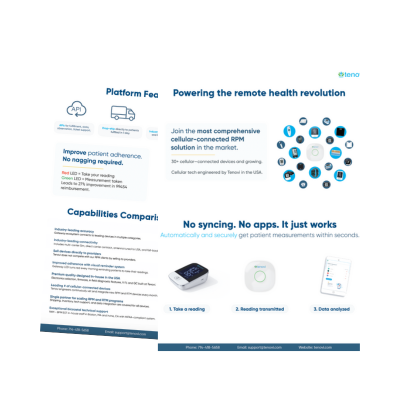
If you are part of a chronic care management, telehealth, or RPM software and services company building or expanding an oncology program, explore Tenovi’s remote patient monitoring solutions. Book a free demo and consultation to learn how remote patient monitoring works, explore device and platform features, and see how to seamlessly connect with fulfillment and data APIs.