
Chronic care management services give patients with two or more long-term conditions steady support between office visits. A well-run chronic care management program covers care planning, medication review, transitions, and 24/7 access. Medicare has paid for this work since 2015. Many eligible patients still never receive it.
The need keeps growing. According to the CDC, 76.4% of U.S. adults reported at least one chronic condition in 2023. That is about 194 million people. Among Americans 65 and up, the share was 93%.
This guide explains what chronic care management services include under CMS rules. It covers who can deliver them, how the codes work, and how to set up a program step by step. It also shows where remote patient monitoring (RPM) fits.
What Are Chronic Care Management Services?
Chronic care management (CCM) is a Medicare service for patients living with multiple chronic conditions. The CMS CCM booklet (MLN909188) defines it as managing two or more conditions. These conditions are expected to last at least 12 months, or until death. They also put the patient at significant risk of death, acute exacerbation, decompensation, or functional decline.
Most chronic care management services happen outside the exam room. A nurse calls to ask how a new blood pressure medication is going. A care coordinator sends updated records to a patient’s cardiologist. A patient with heart failure messages the practice about ankle swelling on a Sunday and hears back that day.
That steady contact is the point. Chronic conditions change between visits. CCM gives the care team a structured way to keep up.
CMS lists many conditions that can qualify. Examples include:
- Alzheimer’s disease and related dementia
- Arthritis
- Asthma
- Atrial fibrillation
- Cancer
- Cardiovascular disease
- Chronic obstructive pulmonary disease (COPD)
- Depression
- Diabetes
- Hypertension
CPT guidance also suggests ways to find patients who need CCM. Practices can look at the number of illnesses, the number of medications, and repeat hospital admissions or emergency department visits.
What Chronic Care Management Services Include
CMS spells out the required elements of chronic care management services in detail. Each one affects how a practice staffs and runs its program. The elements apply to both standard and complex CCM unless CMS says otherwise.
Structured Health Records
The practice records each patient’s demographics, problems, medications, and medication allergies. This information must live in a certified electronic health record (EHR). Clean records support everything else, from medication reviews to referrals.
A Comprehensive Care Plan
Every CCM patient needs a patient-centered electronic care plan. It starts with a physical, mental, cognitive, psychosocial, functional, and environmental assessment. It also draws on an inventory of the patient’s resources and supports.
A care plan may include:
- A problem list with expected outcomes and prognosis
- Measurable treatment goals
- Symptom management and planned interventions
- Medication management
- A caregiver assessment
- Coordination with outside resources and practitioners
The plan should be available promptly inside and outside the practice. Patients and caregivers should get a copy when they need one.
24/7 Access and a Consistent Care Team Member
Patients must be able to reach a physician, qualified practitioner, or clinical staff member at any hour for urgent needs. Each patient also needs a designated care team member for routine appointments and regular check-ins. CMS expects practices to offer phone contact plus secure messaging, a patient portal, or a similar option.
Picture a patient managing diabetes and heart disease. At 9 p.m. on a Friday, she sees a low glucose reading. Her question should not wait until Monday.
Comprehensive Care Management
This is the ongoing clinical work. It starts with assessing the patient’s medical, functional, and psychosocial needs. The care team makes sure the patient receives recommended preventive care on time. It reviews medications, checks for interactions, and supports the patient’s medication self-management. It also coordinates with home and community-based providers and documents what it learns.
Care Transitions
Hospital discharges and emergency visits are risky moments for patients with chronic conditions. CCM covers referrals and follow-up after an emergency department visit. It also covers follow-up after discharge from a hospital or skilled nursing facility. The practice creates continuity-of-care documents and shares them promptly with other clinicians.
How a Chronic Care Management Program Starts
Two steps come before the first billable month. Both protect the patient.
The first is an initiating visit. CMS requires one for new patients and for patients not seen within the past year. It can be a comprehensive evaluation and management (E/M) visit, an Annual Wellness Visit, or an Initial Preventive Physical Exam. The practitioner must discuss CCM during that visit for it to count.
The second is consent. The patient can give it in writing or verbally. The practice documents that it explained:
- That CCM services are available
- The patient’s possible cost sharing
- That only one practitioner can bill CCM in a calendar month
- The patient’s right to stop at any time, effective at the end of the month
Patients consent once, unless they switch to a different CCM practitioner. Part B cost sharing applies, though some patients have Medigap coverage that helps. Explaining cost plainly at the start lets the patient decide with full information.
Who Delivers Chronic Care Management Services
These practitioners can bill CCM:
- Physicians (MDs and DOs)
- Nurse practitioners
- Physician assistants
- Clinical nurse specialists
- Certified nurse-midwives
Primary care practitioners bill CCM most often. Some specialists bill it too.
Much of the monthly work falls to clinical staff. A nurse or care manager often handles the calls, care plan updates, and coordination. These staff work under the billing practitioner’s direction, subject to state law, licensure, and scope of practice.
CMS assigns general supervision to the clinical staff codes. The billing practitioner directs the work but does not need to be physically present. Clinical staff can be employees or can work under contract with the billing practitioner.
That gives practices options. Some build an in-house team of nurses and care coordinators. Others contract clinical staff who work under the practice’s direction. Either way, the billing practitioner stays responsible for the care plan and the documentation.
Chronic Care Management Codes
CCM codes depend on time per calendar month and on who does the work. The table below follows the CMS booklet. A plus sign marks an add-on code.
| Code | Service | Who Provides It | Time |
|---|---|---|---|
| 99490 | CCM | Clinical staff | First 20 minutes |
| +99439 | CCM | Clinical staff | Each additional 20 minutes |
| 99491 | CCM | Physician or other qualified professional | First 30 minutes |
| +99437 | CCM | Physician or other qualified professional | Each additional 30 minutes |
| 99487 | Complex CCM | Clinical staff | First 60 minutes |
| +99489 | Complex CCM | Clinical staff | Each additional 30 minutes |
Complex CCM requires moderate or high complexity medical decision-making by the billing practitioner. A practice cannot report standard and complex CCM for the same patient in the same month. Time counted toward a CCM code cannot count toward any other billed code.
Two related services are worth knowing. Principal care management (PCM) covers patients with one high-risk condition expected to last at least three months. Advanced Primary Care Management (APCM) bundles CCM, PCM, transitional care management, and other services into one monthly code. It does not require counting minutes. Our post on APCM codes covers the three levels.
Where Remote Patient Monitoring Fits
Chronic care management services keep the plan current. RPM shows whether the plan is working day to day. Connected devices send blood pressure, weight, glucose, or oxygen readings from home to the care team.
CMS allows a practice to bill RPM or remote therapeutic monitoring (RTM) alongside CCM, but not both. Time spent on each service must be tracked separately. Our guide to CCM and RPM explains how the two run side by side.
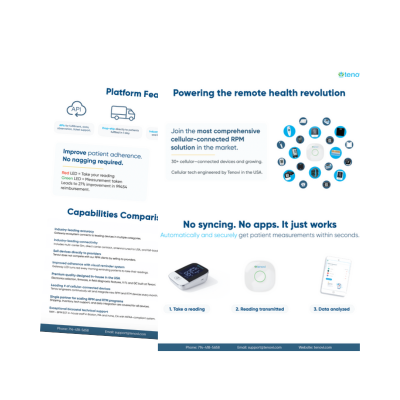
Device choice affects whether readings arrive at all. Patients juggling several conditions should not need another app or Wi-Fi password. Cellular-connected devices send readings automatically, so nothing depends on the patient pairing or syncing.
Why Many Eligible Patients Never Receive CCM
CCM has been available since 2015, but uptake has been slow. A peer-reviewed analysis noted that 16,459 clinicians delivered CCM to 684,584 Medicare patients in the program’s first two years. Around the same time, about 60 million U.S. adults had two or more chronic conditions, according to a CDC study.
That gap is large. Each required element takes staff time, from 24/7 coverage to monthly time logs. Patients also owe Part B cost sharing, which has to be explained up front.
A practical approach is to start with the highest-need patients. Use the CPT criteria above to find them, then expand as workflows settle.
A Checklist for Running a Chronic Care Management Program
A chronic care management program runs well when each step has an owner. This checklist follows CMS requirements.
- Identify eligible patients by conditions, medication counts, and recent admissions or emergency visits.
- Complete an initiating visit for new patients or those not seen in a year.
- Document consent, including cost sharing and the right to stop.
- Build the electronic care plan and share it with the patient and other clinicians.
- Name a designated care team member for each patient.
- Set up 24/7 access by phone and secure messaging.
- Follow up after every emergency visit, hospital discharge, or facility stay.
- Log CCM time separately from RPM, RTM, or any other billed service.
- Review the care plan regularly and update it as conditions change.
Chronic Care Management Services FAQs
These questions come up often when practices plan or review chronic care management services. The answers reflect the current CMS booklet and CPT code definitions.
1) What do chronic care management services include?
Chronic care management services include a comprehensive electronic care plan, medication review, care coordination, and management of care transitions. Patients also get 24/7 access to the care team and a designated care team member. CMS requires structured health records in a certified EHR.
2) How many minutes of CCM are required each month?
CPT 99490 covers the first 20 minutes of clinical staff time in a calendar month. CPT 99491 covers the first 30 minutes of time spent personally by the billing practitioner. Complex CCM under CPT 99487 starts at 60 minutes of clinical staff time.
3) Who can bill chronic care management services?
Physicians, nurse practitioners, physician assistants, clinical nurse specialists, and certified nurse-midwives can bill CCM. Clinical staff can deliver the work under the billing practitioner’s direction. Only one practitioner can bill CCM for a patient in a given month.
4) Can a practice contract out chronic care management services?
Yes, within limits. CMS allows clinical staff who work under contract with the billing practitioner to provide CCM under general supervision. The billing practitioner remains responsible for the care plan, consent, and documentation. State law and scope of practice still apply.
5) What is the difference between CCM and principal care management?
CCM requires two or more chronic conditions expected to last at least 12 months. Principal care management focuses on one high-risk condition expected to last at least three months. PCM requires at least 30 minutes of service in a calendar month.
6) How does APCM relate to chronic care management services?
Advanced Primary Care Management bundles elements of CCM, PCM, transitional care management, and other services into one monthly payment. It does not require counting minutes. CMS set three levels based on the number of chronic conditions and Qualified Medicare Beneficiary status.
Understanding Chronic Care Management Services
Chronic care management services give patients with multiple chronic conditions ongoing support between visits. CMS defines what a program must include. That means structured records, a shared care plan, 24/7 access, comprehensive care management, and transition follow-up. Practitioners bill by monthly time, and clinical staff can deliver much of the work under general supervision. Uptake has stayed low since 2015, so many eligible patients still go without this support. With remote patient monitoring added, a chronic care management program gives care teams a plan and data to adjust it.
Tenovi provides the remote monitoring infrastructure behind CCM and RPM programs. Our 60+ devices are cellular-connected, so patients never deal with syncing, apps, or Wi-Fi. One API sends readings into EHRs and care platforms, and we handle fulfillment, provisioning, and support. Every device for every care plan. Contact us for a free demo and consultation.
This content is for informational purposes only and is not billing, coding, or legal advice. Reimbursement rates vary by region and payer and change over time. The billing provider is responsible for confirming coverage, medical necessity, and correct coding. CPT® is a registered trademark of the American Medical Association.