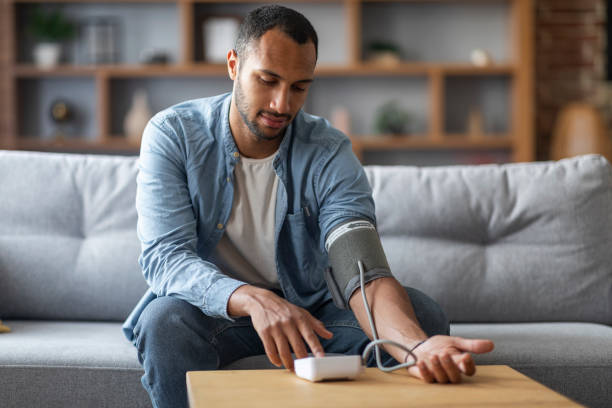
Easy-to-use devices to measure blood pressure make home monitoring something patients keep doing. For remote patient monitoring (RPM) programs, that consistency is the goal. A reading taken at home on an ordinary Tuesday morning tells a care team more than one rushed reading in a clinic.
The need is large. Nearly half of U.S. adults have high blood pressure, according to the CDC. Only about one in four of them has it under control. Home readings help close the gap between visits.
This guide covers 12 FDA-cleared devices to measure blood pressure that work with Tenovi, plus one coming soon. Each entry lists the connection type, key features, and published specifications. We also explain how to match a device to a patient and what to check before you choose.
What to Look for in Devices to Measure Blood Pressure
Not every home monitor fits an RPM program. Devices to measure blood pressure for remote care need to meet clinical standards. They also need to work for the person using them every day. Here are five points worth checking.
1. Clinical Validation and FDA Clearance
Accuracy comes first. The American Heart Association recommends validated upper arm cuff monitors for home use. Care teams can check devices against the Validated Device Listing. Every device in this guide is FDA-cleared.
2. Correct Cuff Size
Cuff fit affects every reading. A cuff that is too small can read high, and one that is too large can read low. Choose devices that offer several cuff sizes so each patient gets a proper fit.
3. Connectivity Without Apps or Wi-Fi
Many patients do not own a smartphone. Others lack reliable home internet. Cellular connections remove both barriers, so readings reach the care team without pairing, syncing, or passwords.
4. One-Button Operation
Patients managing chronic conditions should not need a manual to take a reading. Simple devices lead to steadier use. Steadier use leads to better data.
5. Data That Reaches the Care Team
A reading only helps if a clinician sees it. Look for devices that send data straight to the platform or dashboard your team already uses.
Cellular-Connected Devices to Measure Blood Pressure
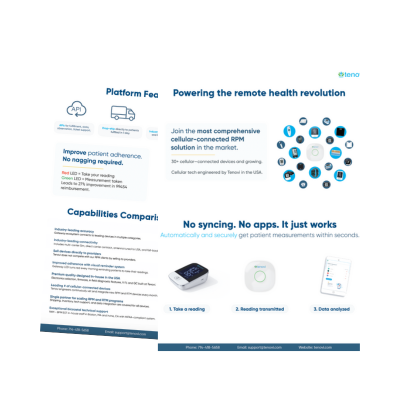
Cellular-connected devices to measure blood pressure pair over Bluetooth with the Tenovi Gateway. The Gateway plugs into a wall outlet and sends each reading over a cellular network. Patients do not need Wi-Fi, an app, or a smartphone.
One Gateway can support several devices in the same home. Its LED ring reminds patients to take a reading, then confirms the data was sent. Care teams can view results in the Tenovi dashboard or their own RPM platform.
Tenovi Blood Pressure Monitor Gen 3
The Tenovi Blood Pressure Monitor Gen 3 is the newest model in the Tenovi lineup. It adds a voice function that reads results aloud. Patients with low vision can hear their numbers without squinting at the screen. The monitor also detects movement errors during a reading. Its premium cuff comes in three sizes. Our Tenovi BPM Gen 3 guide covers setup and daily use.
- FDA-cleared
- Systolic range: 60-260 mmHg
- Diastolic range: 40-220 mmHg
- Pulse range: 40-199 beats/min
- Blood pressure accuracy: ±3 mmHg
- Pulse accuracy: ±5%
- Cuff sizes: extra small 15-28 cm, wide range 22-42 cm, XL 32-52 cm
- Power: 4 AA batteries, included
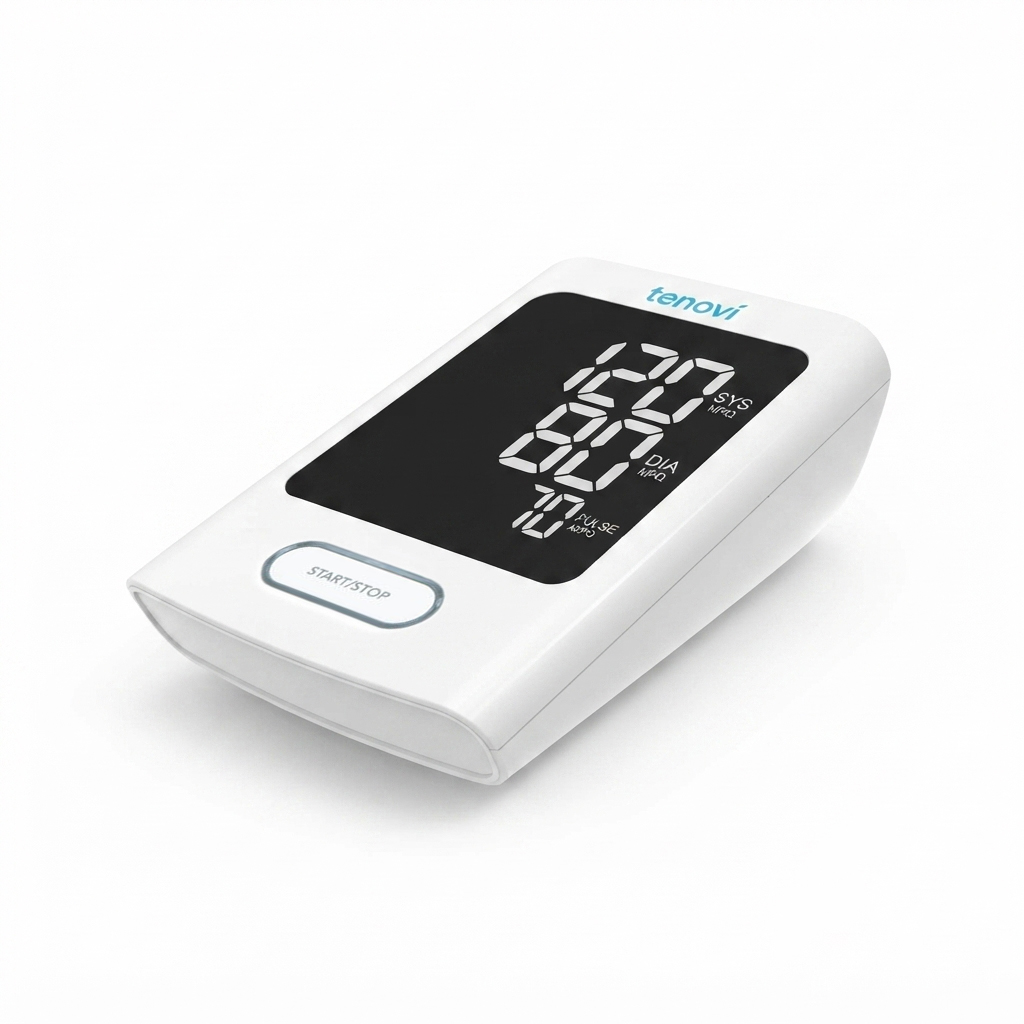
Tenovi Blood Pressure Monitor
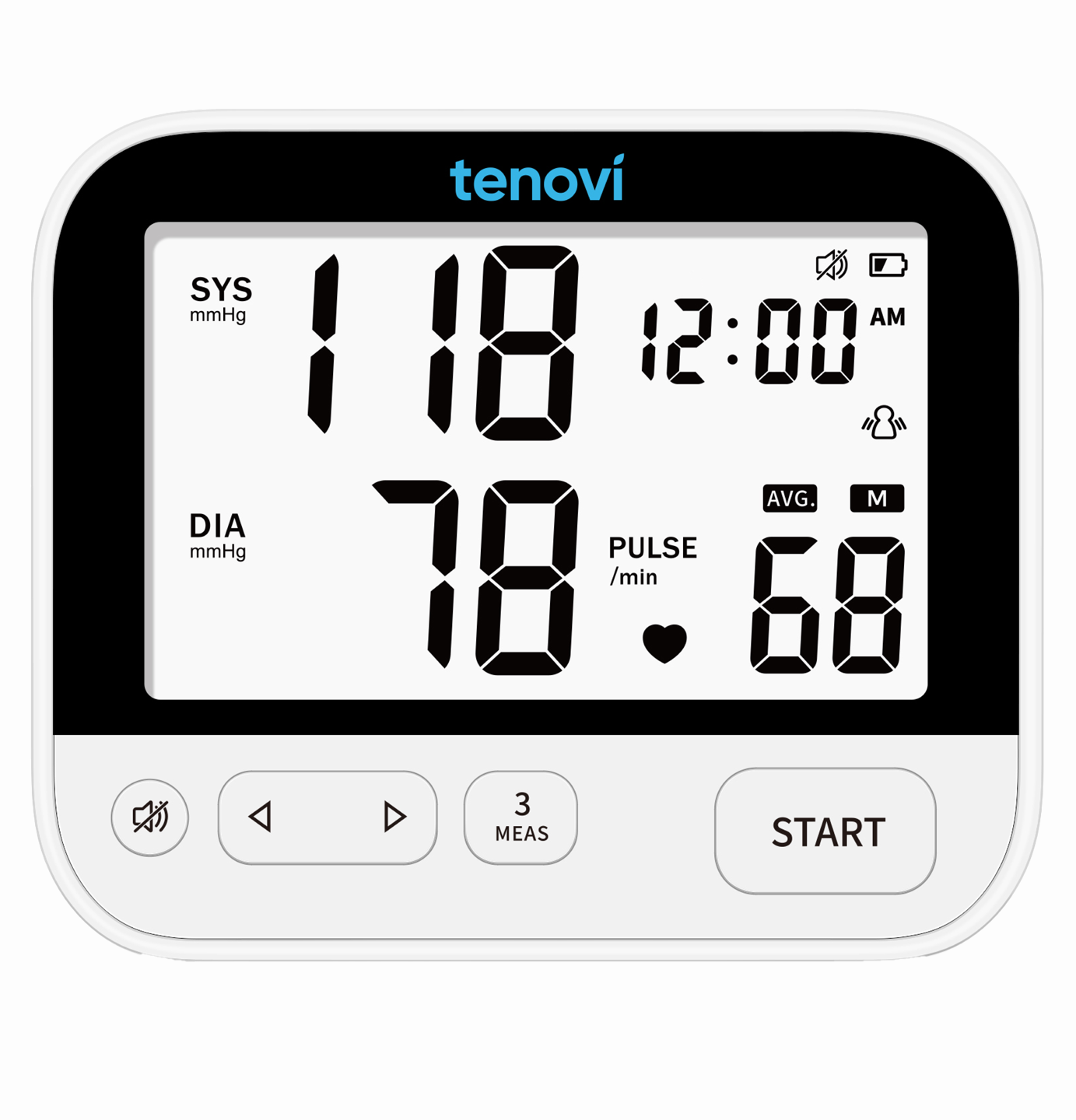
The original Tenovi Blood Pressure Monitor remains a dependable choice for health systems. Patients put on the cuff and press one button. The monitor inflates, measures, and sends the reading to the care team. A large LCD shows systolic pressure, diastolic pressure, and pulse rate. Our Tenovi BPM guide covers setup and daily use.
- FDA-cleared
- Pressure range: 0-299 mmHg, 1 mmHg resolution
- Blood pressure accuracy: ±3 mmHg
- Pulse range: 40-199 beats/min
- Pulse accuracy: ±4%
- Cuff sizes: small 16-36 cm, large 22-45 cm, XL 40-52 cm
- Power: 4 AAA batteries, included
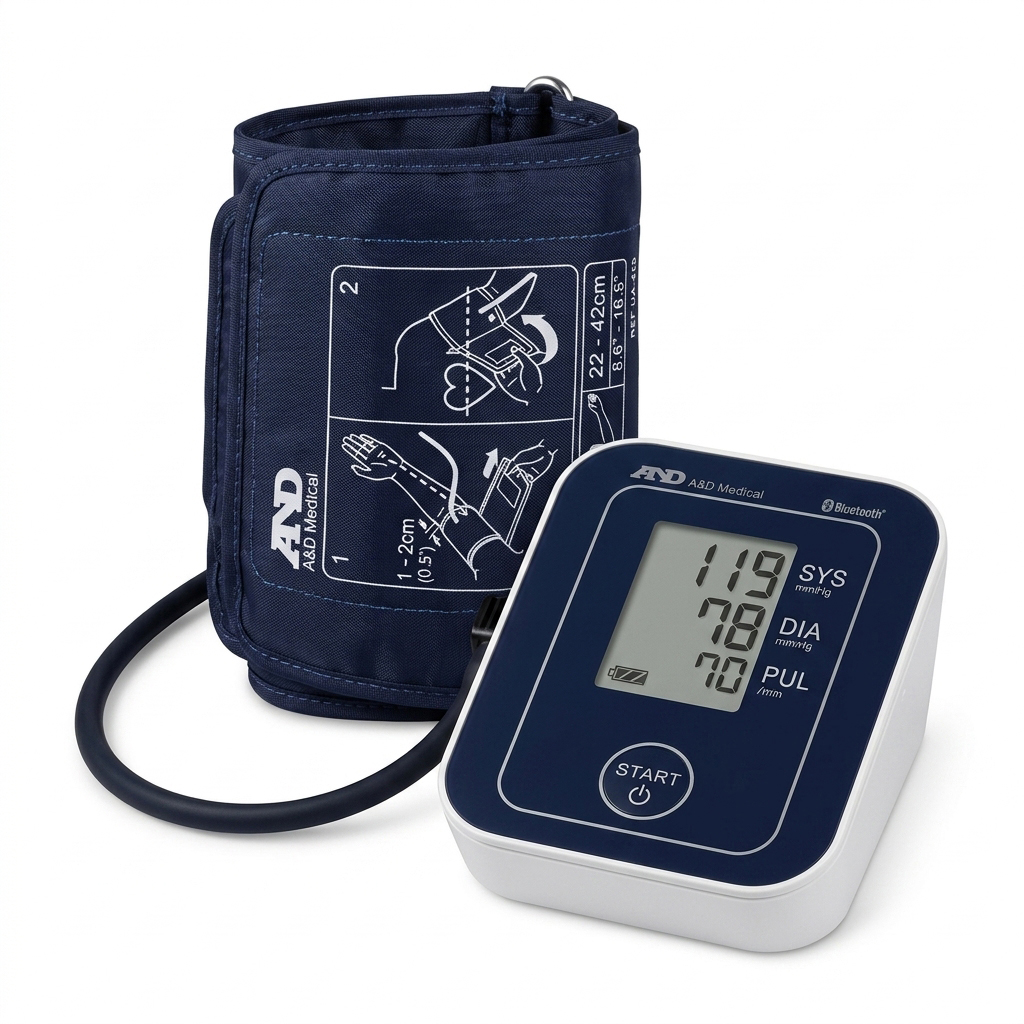
A&D Medical Blood Pressure Monitor
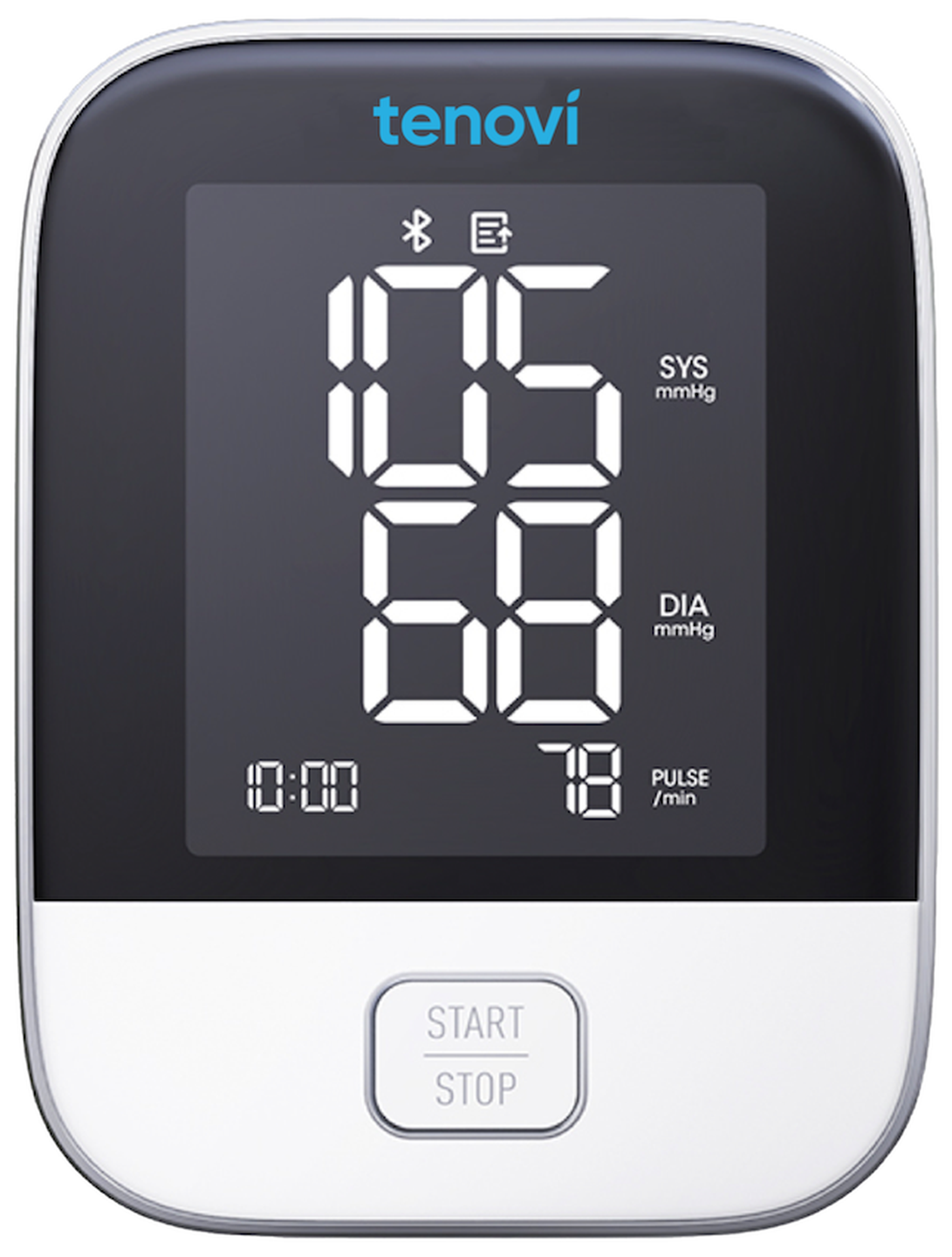
A&D Medical has built biometric monitoring products since 1977. The A&D Medical Blood Pressure Monitor is clinically validated and uses gentle inflation for comfort. It detects irregular heartbeats and comes with a wide range cuff. Our A&D guide covers setup and daily use.
- FDA-cleared
- Pressure range: 0-299 mmHg
- Systolic range: 60-279 mmHg
- Diastolic range: 40-200 mmHg
- Pulse range: 40-180 beats/min
- Blood pressure accuracy: ±3 mmHg
- Pulse accuracy: ±5%
- Maximum measurement time: 90 seconds
OMRON 3, 5, 7, 10, and Silver Series Upper Arm Monitors
OMRON is the brand doctors and pharmacists recommend most for home blood pressure monitoring, according to the company. It has made blood pressure monitors for more than 50 years. Tenovi now supports five OMRON upper arm models through the Gateway.
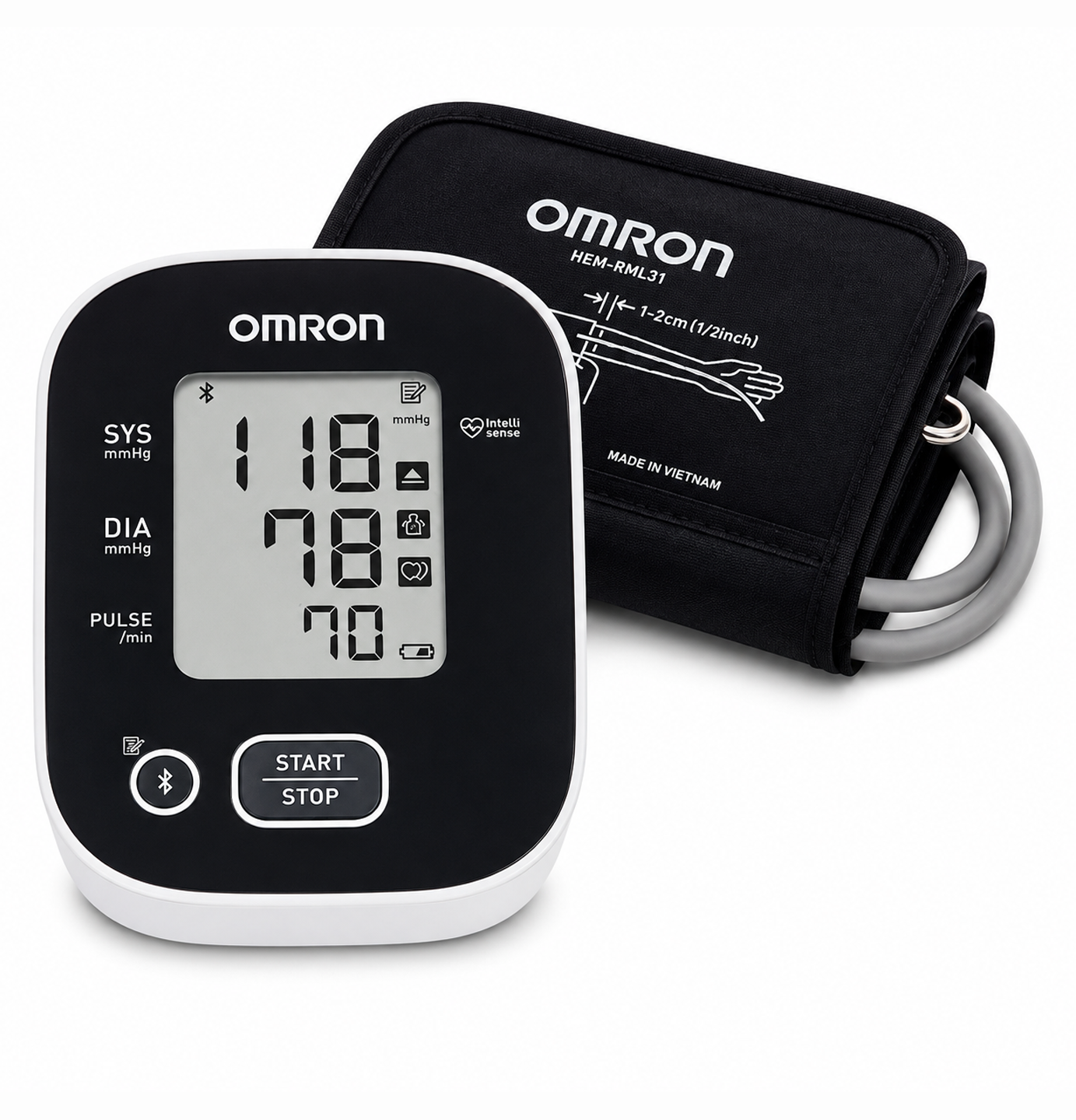
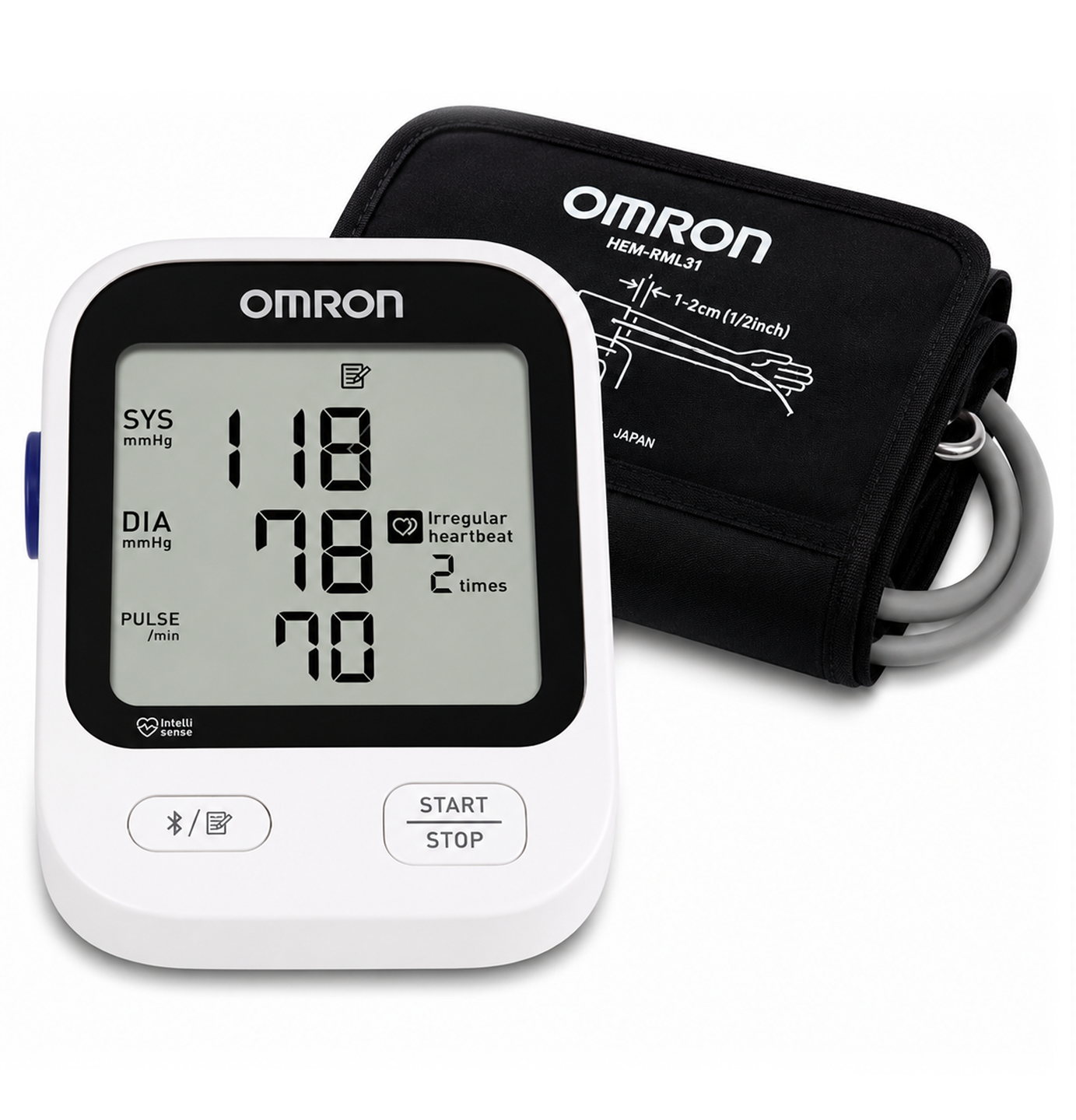
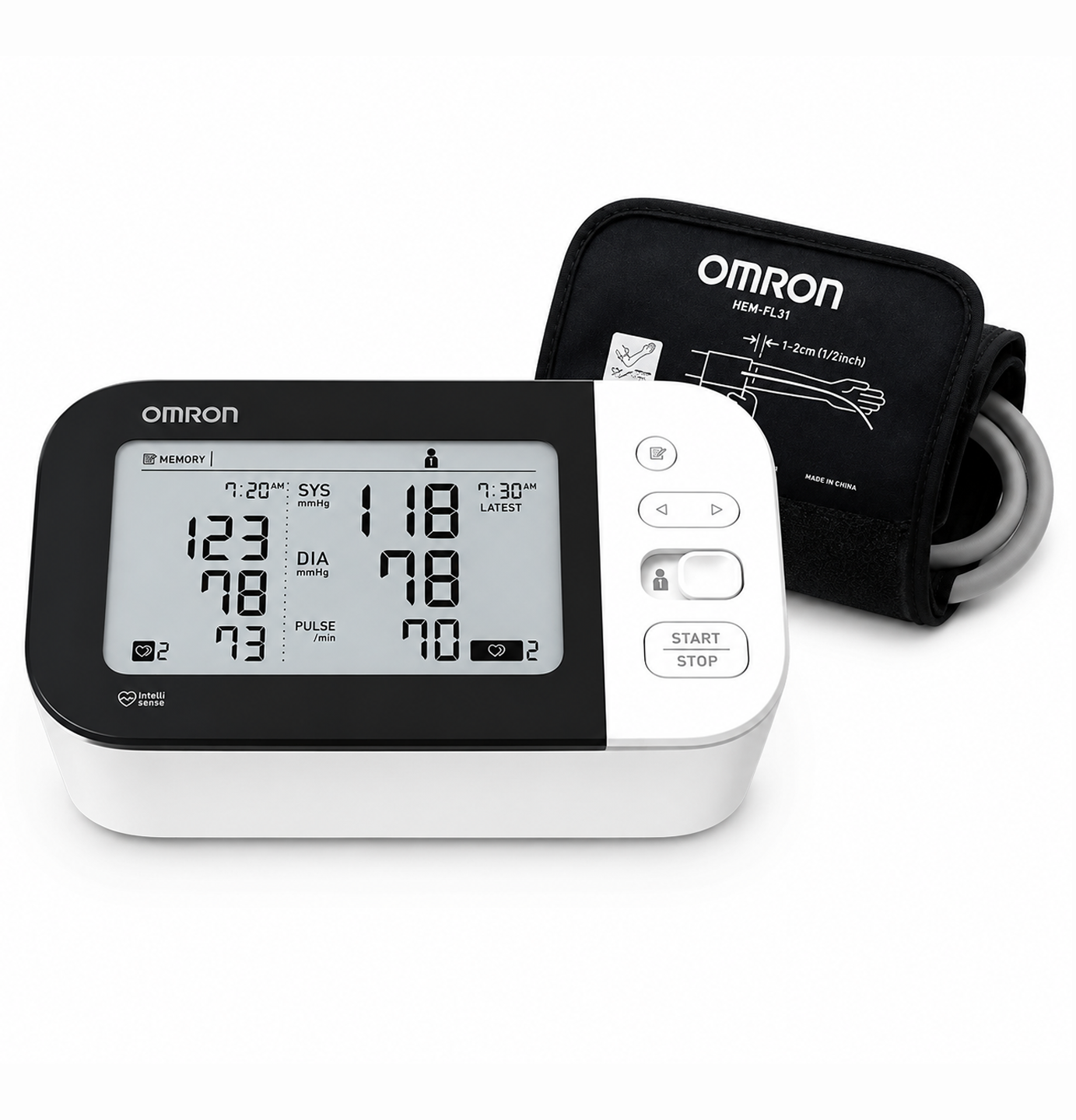
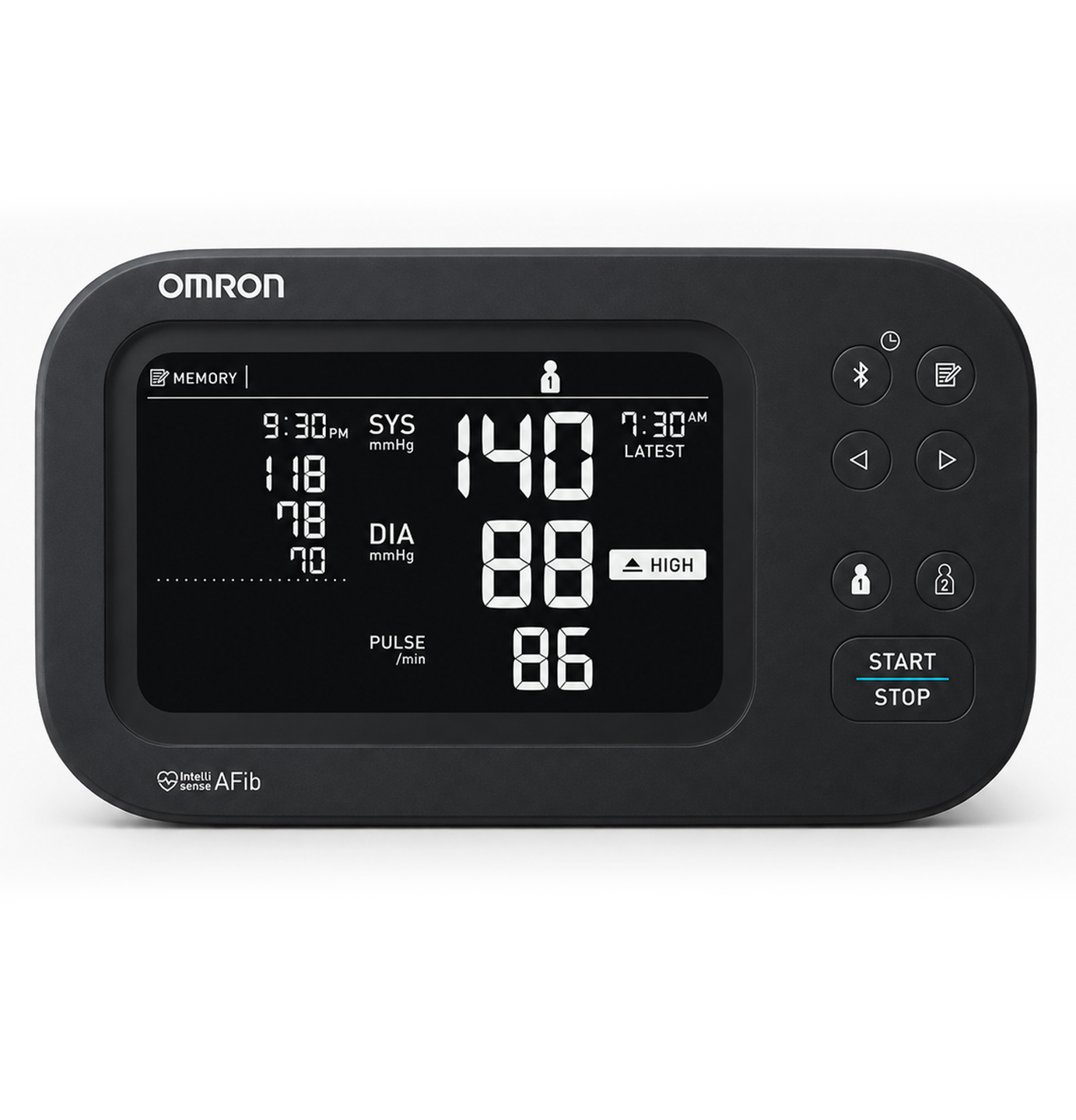
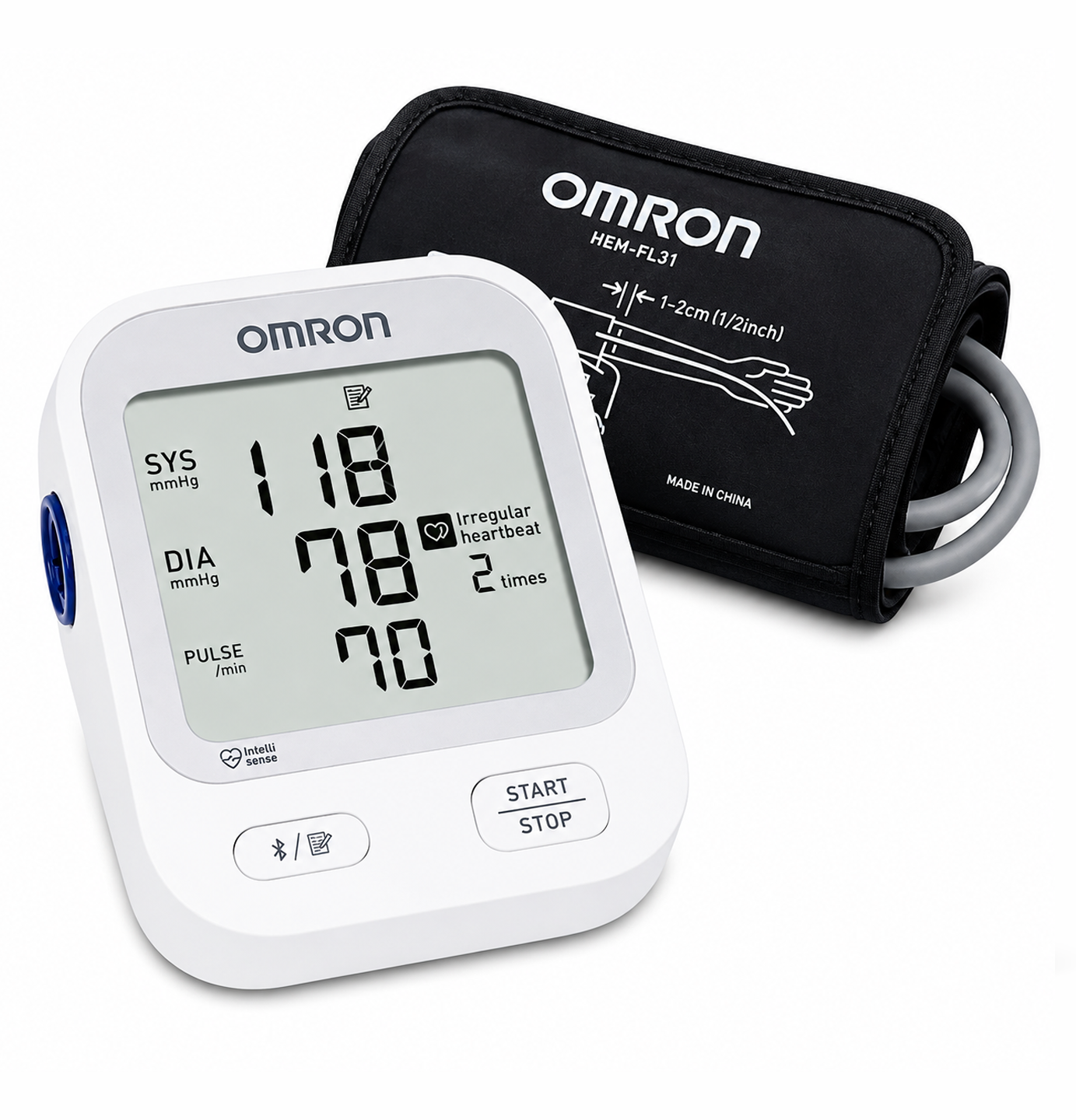
Each model shows an irregular heartbeat symbol and delivers results in as little as 30 seconds. The 10 Series adds AFib screening. More choice lets programs match a model to patient needs or to OMRON devices already in use. All five share the same published specifications. Our OMRON guide covers setup and daily use.
- FDA-cleared
- Systolic range: 60-260 mmHg
- Diastolic range: 40-215 mmHg
- Pulse range: 40-180 beats/min
- Blood pressure accuracy: ±3 mmHg
- Pulse accuracy: ±5% of reading
- Power: 4 AA batteries
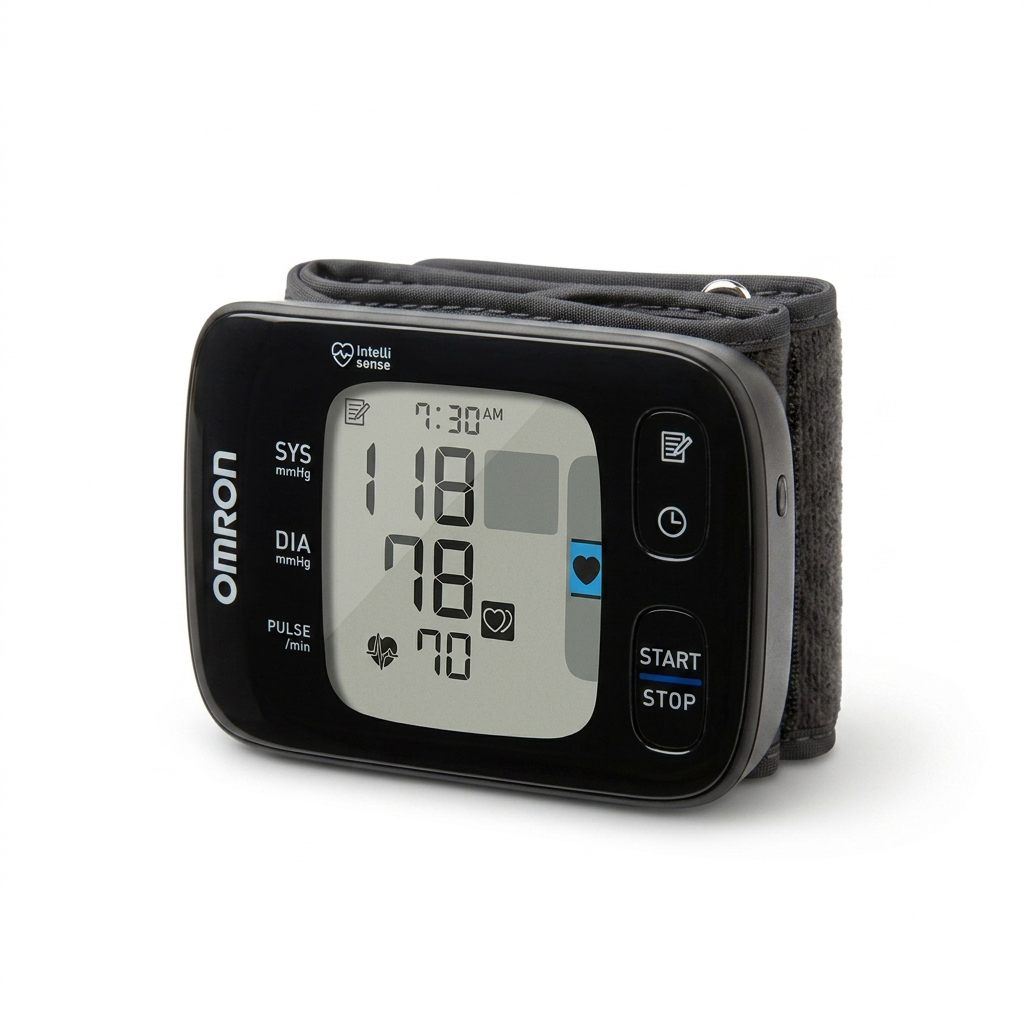
OMRON Wrist Blood Pressure Monitor
Wrist monitors suit some patients well. They can help people with larger arms or those who cannot use one arm after lymph node removal. They do require careful technique. The OMRON Wrist Blood Pressure Monitor includes a heart zone indicator. It activates when the wrist is at heart level, which helps patients take a valid reading. Our OMRON Wrist guide covers setup and daily use.
- FDA-cleared
- Pressure range: 0-299 mmHg
- Pulse range: 40-180 beats/min
- Blood pressure accuracy: ±3 mmHg or 2%
- Pulse accuracy: ±5%
- Power: 2 AAA batteries
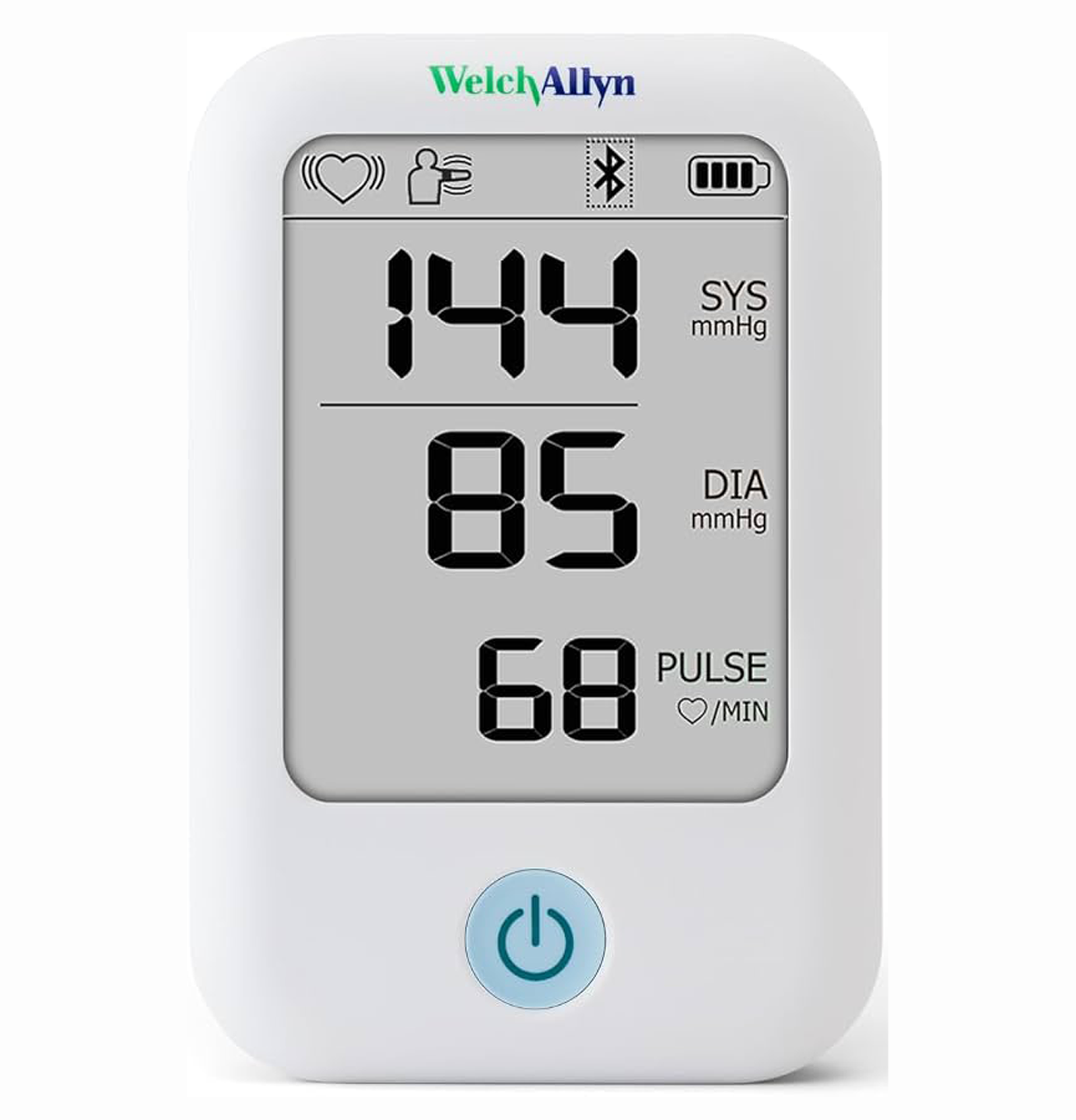
Welch Allyn 1700 Series BPM
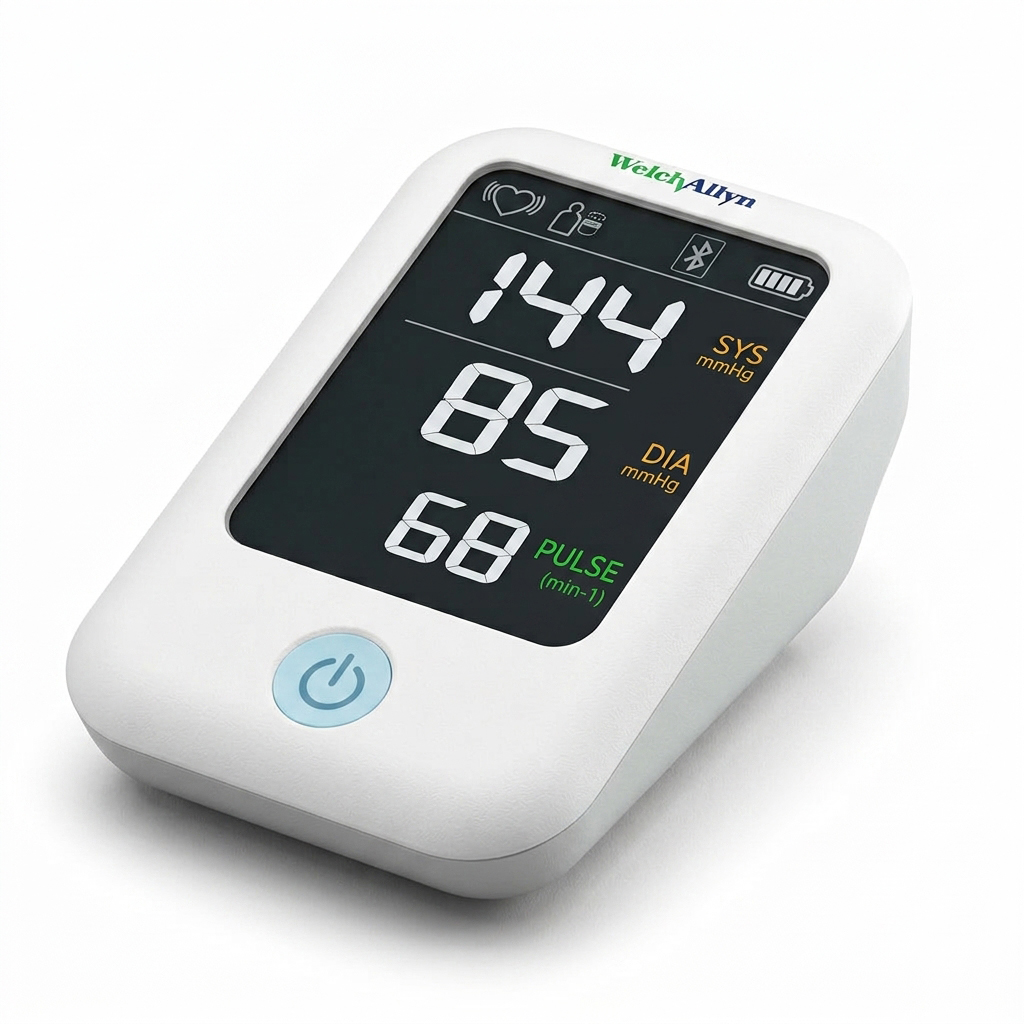
Welch Allyn devices are a familiar sight in physician offices. The Welch Allyn 1700 Series BPM brings that clinical design into the home. It uses SureBP® technology and delivers results in as few as 20 seconds. Irregular heartbeat and motion indicators help flag readings that need a second look. Our Welch Allyn guide covers setup and daily use.
- FDA-cleared
- Systolic range: 50-260 mmHg
- Diastolic range: 25-220 mmHg
- Pulse range: 40-199 beats/min
- Blood pressure accuracy: ±3 mmHg (±0.4 kPa)
- Pulse accuracy: ±4%
- Power: 4 AA batteries
Welch Allyn 1500 Series BPM
The Welch Allyn 1500 Series BPM offers the same office-grade build. It captures a reading in under 30 seconds. Like the 1700 Series, it flags irregular heartbeats and patient motion. Our Welch Allyn guide covers setup and daily use.
- FDA-cleared
- Systolic range: 60-230 mmHg
- Diastolic range: 40-130 mmHg
- Pulse range: 40-199 beats/min
- Blood pressure accuracy: ±3 mmHg (±0.4 kPa)
- Pulse accuracy: ±4%
- Power: 4 AA batteries
Cellular-Enabled Devices to Measure Blood Pressure
Cellular-enabled devices to measure blood pressure have a cellular connection built in. They do not need a Gateway, Wi-Fi, or Bluetooth. That makes them a good fit for patients who only need one device.
Tenovi Cellular Blood Pressure Monitor
The Tenovi Cellular Blood Pressure Monitor sends readings over 4G to any RPM platform. It offers one-button operation, a premium nylon cuff, and an irregular heartbeat symbol. Batteries last about 9 to 12 months, and the monitor alerts patients when power runs low.
- FDA-cleared
- Systolic range: 60-230 mmHg
- Diastolic range: 40-130 mmHg
- Pulse range: 40-199 beats/min
- Blood pressure accuracy: ±3 mmHg or 2%
- Pulse accuracy: ±5%
- Power: 4 AA batteries
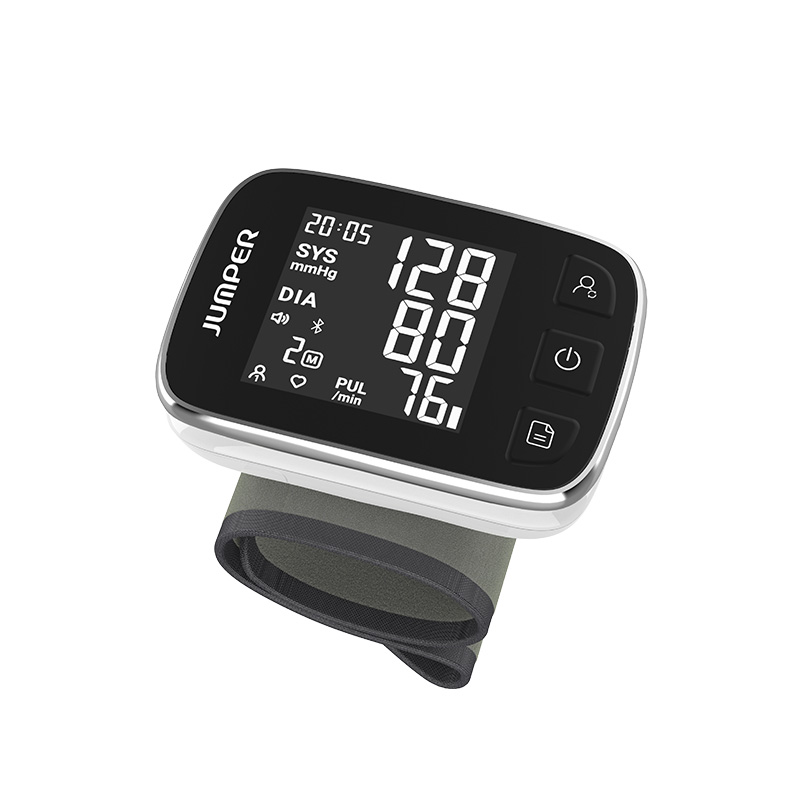
Jumper Wrist Blood Pressure Monitor
The Jumper Wrist Blood Pressure Monitor is coming soon to the Tenovi catalog. It is a cellular-connected wrist monitor that pairs over Bluetooth with the Tenovi Gateway. It will give programs a second wrist option alongside OMRON. The display shows the date and time, a blood pressure level indicator, and an arrhythmia reminder. It also has a voice function and stores readings for two users. Check the Tenovi devices page for availability. Our Tenovi Cellular BPM guide covers setup and daily use.
- FDA-cleared
- Pressure range: 0-295 mmHg
- Pulse range: 40-199 beats/min
- Blood pressure accuracy: ±3 mmHg (±0.4 kPa)
- Pulse accuracy: ±5% of reading
- Memory: 199 readings per user, two users
- Power: 2 AAA batteries, included
- Weight: about 109 g without batteries
Quick Comparison of Devices to Measure Blood Pressure
The table below summarizes the published specifications for each device. Use it as a starting point, then review each device page for full details.
| Device | Connection | Cuff Type | Systolic Range | BP Accuracy |
|---|---|---|---|---|
| Tenovi BPM Gen 3 | Tenovi Gateway | Upper arm | 60-260 mmHg | ±3 mmHg |
| Tenovi BPM | Tenovi Gateway | Upper arm | 0-299 mmHg (pressure range) | ±3 mmHg |
| Tenovi Cellular BPM | Built-in SIM | Upper arm | 60-230 mmHg | ±3 mmHg or 2% |
| A&D Medical BPM | Tenovi Gateway | Upper arm | 60-279 mmHg | ±3 mmHg |
| OMRON 3, 5, 7, 10, Silver | Tenovi Gateway | Upper arm | 60-260 mmHg | ±3 mmHg |
| OMRON Wrist BPM | Tenovi Gateway | Wrist | 0-299 mmHg (pressure range) | ±3 mmHg or 2% |
| Welch Allyn 1700 Series | Tenovi Gateway | Upper arm | 50-260 mmHg | ±3 mmHg |
| Welch Allyn 1500 Series | Tenovi Gateway | Upper arm | 60-230 mmHg | ±3 mmHg |
| Jumper Wrist BPM | Tenovi Gateway | Wrist | 0-295 mmHg | ±3 mmHg |
Upper Arm or Wrist? Matching the Device to the Patient
The AHA recommends an upper arm cuff for most home monitoring. Upper arm readings tend to be more reliable because arm position matters less. Wrist devices still have a place. Some patients simply cannot wear an arm cuff.
The 2025 AHA/ACC high blood pressure guideline places home monitoring at the center of diagnosis and follow-up. It also advises against cuffless devices, such as smartwatches, for diagnosing or managing hypertension. A cuff-based device remains the standard for RPM.
For wrist readings, patients should follow three steps.
- Place the device directly over the radial artery.
- Keep the wrist at heart level.
- Stay still and avoid bending the wrist.
At the next office visit, ask a clinician to compare arm and wrist readings. This confirms the device reads accurately for that patient.
Good habits matter for every device. Patients should sit with their back supported and feet flat on the floor. They should rest for five minutes before measuring. Caffeine, exercise, and tobacco should wait until after the reading. The arm should rest on a table at heart level.
How Devices to Measure Blood Pressure Support RPM Programs
Devices to measure blood pressure are the foundation of RPM for hypertension. Regular home readings show patterns that office visits miss. They can uncover white coat hypertension or masked hypertension. They also show whether a medication change is working.
When readings arrive automatically, care teams can act sooner. A rising trend can prompt a phone call or a dose adjustment. Sometimes it prompts a visit before a crisis develops. That is proactive, preventive care, and patients benefit first.
Easy devices also help patients meet program requirements. Medicare RPM device supply codes require a device that meets the FDA definition of a medical device. Monitoring days must also add up each month. Our guide to RPM CPT codes explains the 2026 requirements, including codes for shorter monitoring periods.
FAQs About Devices to Measure Blood Pressure
This section answers common questions care teams ask about devices to measure blood pressure for remote patient monitoring. It covers accuracy, connectivity, cuff sizing, wrist monitors, and wearables.
1) What are the most accurate devices to measure blood pressure at home?
Validated upper arm cuff monitors are the most accurate option for home use. Look for FDA clearance and check the Validated Device Listing. Every upper arm device in this guide lists blood pressure accuracy within ±3 mmHg.
2) Do patients need Wi-Fi or a smartphone to use these devices?
No. Cellular-connected devices send readings through the Tenovi Gateway over a cellular network. Cellular-enabled devices have their own built-in connection. Neither type needs Wi-Fi, an app, or a smartphone.
3) What is the difference between cellular-connected and cellular-enabled blood pressure monitors?
Cellular-connected monitors pair over Bluetooth with the Tenovi Gateway, which then sends the data. One Gateway can serve several devices in a home. Cellular-enabled monitors send readings directly over their own cellular connection. They suit patients who need just one device.
4) Are wrist blood pressure monitors accurate enough for remote patient monitoring?
They can be, with proper technique. The wrist must stay still and at heart level during the reading. The AHA generally prefers upper arm cuffs. Wrist monitors work well for patients with very large arms or those who cannot use an arm cuff.
5) How do I choose the right cuff size?
Measure around the upper arm at its midpoint. Then match that number to the cuff ranges the manufacturer lists. The Tenovi Blood Pressure Monitor Gen 3, for example, offers cuffs that fit arms from 15 to 52 cm.
6) Can smartwatches replace cuff-based devices to measure blood pressure?
Not today. The 2025 AHA/ACC guideline does not recommend cuffless devices for diagnosing or managing high blood pressure. Cuff-based devices remain the standard for RPM programs.
Understanding Devices to Measure Blood Pressure
Choosing devices to measure blood pressure starts with accuracy and fit. FDA clearance, clinical validation, and the right cuff size come first. Connectivity comes next. Cellular-connected and cellular-enabled devices remove the need for Wi-Fi, apps, and smartphones. Upper arm cuffs remain the preferred choice, while wrist monitors serve patients who need them. With 12 options available today, care teams can match each patient to a device they will use.
Tenovi provides cellular-connected and cellular-enabled devices for remote patient monitoring and remote therapeutic monitoring (RTM). The Tenovi Gateway and APIs deliver patient data to your RPM platform or the Tenovi dashboard. Contact us today for a free demo and consultation.