Clinical studies continue to shed light on the efficacy of remote patient monitoring (RPM) and telenursing interventions, highlighting their profound impact on patient health and quality of life. By shifting the focus of treatment from reactive care to proactive management, digital health technologies are transforming how providers approach chronic care. This article explores two distinct studies that underscore the positive telemedicine outcomes achieved in patients managing chronic conditions like hypertension and heart failure.
Telemedicine Outcomes for Hypertensive Patients
Myriad studies today compare telemedicine outcomes directly to traditional in-person care. A recent study aimed to improve hypertension management in a rural community through remote patient monitoring.
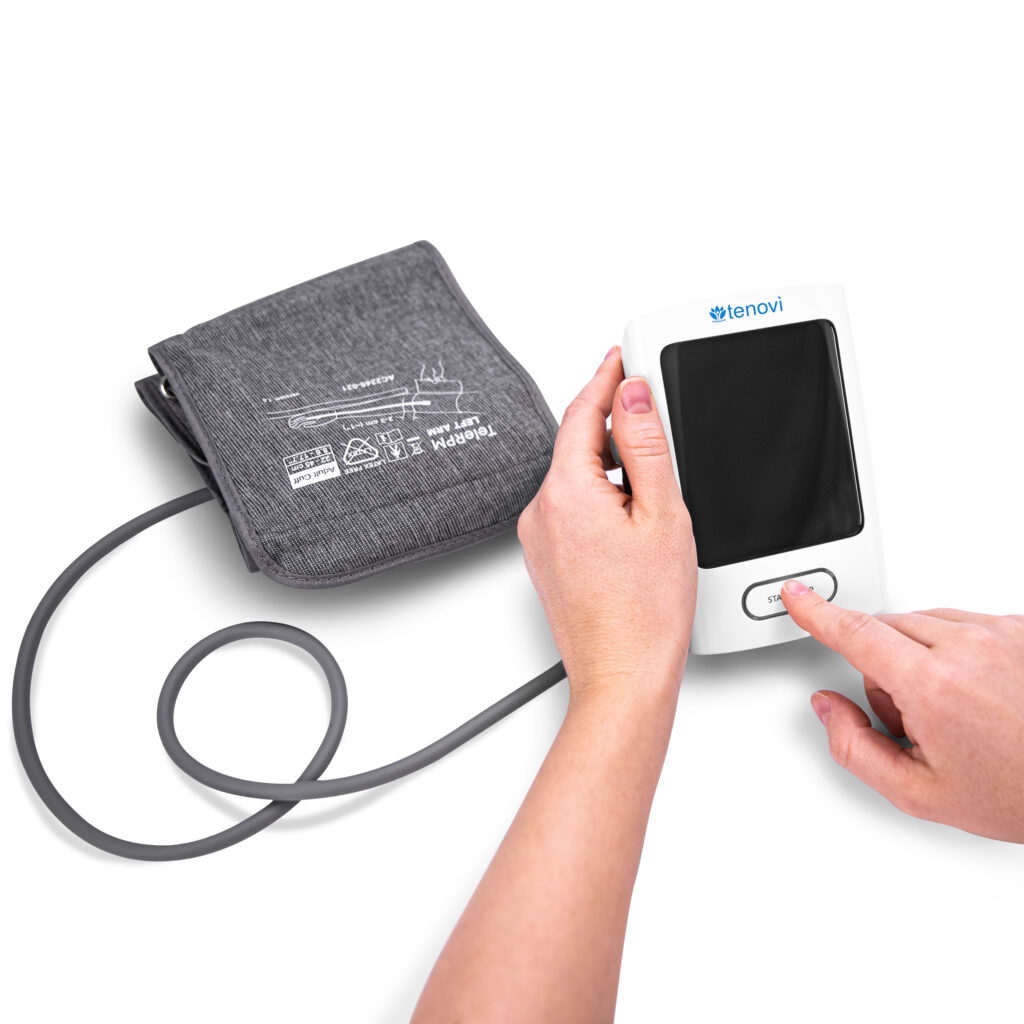
The intervention utilized daily remote blood pressure measurements transmitted via Bluetooth-operated devices linked to patients’ mobile phones. A total of 100 adult patients with uncontrolled hypertension were enrolled and received one-on-one education over a two-month period. The research indicates that remote patient monitoring for hypertension had an impact on reduced blood pressure readings and emergency room visits among patients with uncontrolled hypertension.
The study revealed the following improvements in patient health:
- 92% of patients met their systolic blood pressure goal within six months.
- Average systolic blood pressure dropped from 153.67 mmHg to 120.58 mmHg.
- Average diastolic blood pressure dropped from 86.48 mmHg to 71.9 mmHg.
- Emergency room visits decreased from 23% in the pre-intervention group to just 7% post-intervention.
The research indicates that remote patient monitoring for hypertension directly correlates with reduced blood pressure readings and a decrease in emergency utilization. The findings suggest that RPM helps predict health patterns, detect drug-related issues early, reduce hypertension complications, and ultimately drive superior telemedicine outcomes in rural communities
Telemedicine Outcomes in Heart Failure Patients
A systematic review and meta-analysis recently explored how telenursing interventions impact the quality of life for heart failure patients, contributing to the growing body of research on telemedicine outcomes.
Heart failure is a prevalent cardiovascular condition affecting approximately 6.2 million adults in the United States, often leading to a diminished quality of life. Early diagnosis and consistent treatment are vital to improving both the quality and length of life for these individuals.
To assess whether telenursing and virtual interventions could positively influence these telemedicine outcomes, researchers analyzed 11 randomized controlled trials comprising 2,032 patients between 2015 and 2023. The following outlines key findings from the review.
- The review included studies from the US, China, Germany, India, Japan, and other nations, demonstrating that remote care is a globally viable solution.
- Methods included mobile applications, telephone follow-ups, and hospital-integrated telehealth systems.
- Intervention lengths ranged from weekly sessions over 4 weeks to comprehensive 12-month programs.
- The research showed that telenursing interventions actively improved heart failure patients’ quality of life, with evidence quality ranging from fair to excellent.
While the findings are highly promising, researchers noted that results must be interpreted with some caution due to variations in how often telenurses interacted with patients and the specific content of their support. Nonetheless, with its diverse applications, telenursing offers a highly valuable complement to traditional healthcare services.
Understanding the Reasearch
The two studies highlighted this week underscore how telemedicine shapes positive patient outcomes. Remote patient monitoring interventions demonstrated efficacy in controlling hypertension, reducing emergency room visits, and predicting patterns that can inform timely care. Similarly, telenursing interventions report enhanced quality of life of heart failure patients, contributing to a growing understanding of telemedicine outcomes.