
The 30 days after a hospital discharge decide a lot about how a patient recovers. Transitional care management gives care teams a structured way to support patients through that window, catch problems early, and keep people from returning to the hospital. For any organization moving toward value-based care, that focus on outcomes and total cost of care is exactly the point.
This guide explains what transitional care management is, why it matters in a value-based world, what the research shows about its effect on outcomes, and how remote patient monitoring (RPM) extends its impact. It is written for care teams building or refining a post-discharge program that is judged on results, not volume.
What Is Transitional Care Management?
Transitional care management, often shortened to TCM, is a Medicare service that covers the coordination and continuity of care a patient needs when moving from an inpatient setting back to a community setting. The inpatient setting can be a hospital, a skilled nursing facility, or an inpatient rehabilitation facility. The community setting is usually the patient’s home, a domiciliary, or an assisted living residence.
The service covers a single 30 day period that begins on the day of discharge. During those 30 days, the practice takes responsibility for the patient’s transition, which includes reaching out quickly, reviewing medications, addressing any new or worsening symptoms, and making sure the patient understands the plan of care. According to the Centers for Medicare and Medicaid Services (CMS), TCM is meant to reduce avoidable readmissions and support safer recovery at home.
Three elements sit at the center of the service: an interactive contact soon after discharge, non face to face services across the 30 day period, and a face to face office visit within a set number of days. Together they turn a discharge summary into a real hand off, with a named team accountable for the patient.
Why Transitional Care Management Matters in Value-Based Care
Value-based care ties payment to outcomes and the total cost of care rather than the number of services delivered. The stretch right after discharge is where that model is won or lost, because a preventable readmission is both a poor outcome for the patient and a large avoidable cost. Transitional care management is one of the clearest tools for managing that risk.
The research supports it. A study in JAMA Internal Medicine found that Medicare patients who received TCM had lower mortality and lower total costs in the month after discharge than patients who did not. More recent work in Health Affairs found that TCM was associated with more healthy days at home, lower total spending, and fewer readmissions after discharge. That study also found the benefit was more pronounced for patients aligned with population based alternative payment models, the value-based arrangements many organizations are already moving into.
Read together, the evidence points the same direction. TCM keeps more patients stable at home, and it does the most good inside value-based models built to reward exactly that. For an accountable care organization or a practice taking on risk, a reliable post-discharge program is not a nice to have. It protects both the patient and the shared savings. Pairing it with daily data on patient outcomes makes the effect easier to see and act on.
What the TCM Service Includes
A well run transitional care management program follows a predictable rhythm across the 30 days. Mapping it in advance keeps the team on schedule and keeps the patient supported at every step.
Interactive Contact Within Two Business Days
Within two business days of discharge, someone on the care team reaches the patient or caregiver by phone, secure message, or in person. This contact confirms the patient is home safely, checks for early warning signs, and answers immediate questions before small problems grow.
Medication Reconciliation
Discharge is a frequent source of medication errors, so the team compares the pre admission list against the discharge orders to catch duplicates, omissions, and dosing changes. Reconciliation must be done no later than the date of the face to face visit.
The Face to Face Visit
A face to face visit anchors the service and gives the clinician a full look at how the patient is recovering. It is part of the TCM service itself, so it is not billed separately as an office visit.
Non Face to Face Coordination
Throughout the month, clinical staff and practitioners review discharge information, follow up on pending tests, coordinate with other providers and community services, and help the patient and caregiver manage the condition. This ongoing work is what turns a single visit into a genuine transition of care.
How the Service Is Reimbursed
Transitional care management is reimbursed through two TCM CPT codes, and the code reflects the level of care the patient needed. CPT code 99495 covers a transition with at least moderate complexity medical decision making and a face to face visit within 14 days of discharge. CPT code 99496 covers a transition with high complexity decision making and a face to face visit within seven days, and it reimburses at a higher rate.
Both codes require the interactive contact within two business days, and only one practitioner may report TCM for a patient during the 30 day period. The important framing for a value-based program is simple. The care comes first, and the payment follows the outcomes that care produces.
How Remote Patient Monitoring Extends TCM Outcomes
The 30 days after discharge are exactly when a patient’s vital signs tell the clearest story. Remote patient monitoring puts a cellular connected device in the patient’s home, so blood pressure, weight, blood glucose, or pulse oximetry readings flow back to the care team every day without the patient traveling anywhere.
That daily data stream fits the intent of transitional care management. When a heart failure patient’s weight climbs three pounds overnight, the care team can act during the fragile post discharge window and reduce heart failure hospitalizations before the problem becomes another admission. RPM does not replace the required TCM contacts and visit. It gives the team a continuous view between them, and a record of the outcomes a value-based contract is measured on.
RPM can be furnished during the same period as transitional care management, as long as the time and effort are documented separately and not counted twice. A patient can begin an RPM program during their TCM month and continue it well beyond the 30 days for longer term chronic care management. Together they create a bridge from acute recovery into ongoing management, with the same devices supporting both and the same emphasis on keeping patients well at home.
Understanding Transitional Care Management
Transitional care management is a structured way to support patients through the risky stretch after a hospital or facility stay, and it is one of the strongest levers a value-based program has. It combines a fast interactive contact, medication reconciliation, a timed face to face visit, and a month of coordinated care. The research is consistent: TCM is associated with lower mortality, lower spending, more healthy days at home, and fewer readmissions, with the largest gains inside value-based payment models. Layering remote patient monitoring on top gives care teams daily visibility into the vital signs that matter most during recovery, so they can intervene early and keep patients out of the hospital.
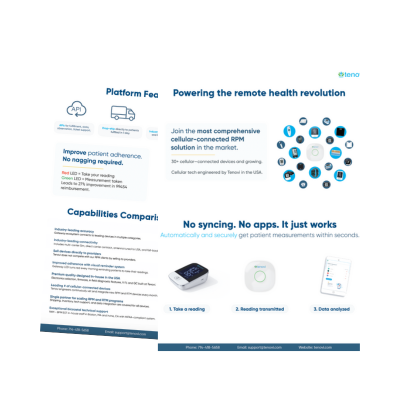
Tenovi helps care organizations run remote monitoring programs that support transitions of care and long term chronic care management. Our cellular connected Tenovi Gateway and devices work out of the box, with no patient Wi-Fi or setup required, so readings reach your team from day one. To see how remote patient monitoring can strengthen your TCM and value-based care outcomes, book a free demo and consultation with our team.
Frequently Asked Questions
1) What is transitional care management in simple terms?
Transitional care management is a Medicare service that pays a care team to coordinate a patient’s care for 30 days after they leave a hospital or facility. For example after a stroke. It includes a quick check in, a review of medications, a follow up visit, and ongoing support to help the patient recover safely at home and avoid readmission.
2) How does transitional care management support value-based care?
Value-based care rewards better outcomes and lower total cost, and preventable readmissions work against both. TCM manages the high risk period right after discharge, which is where those readmissions and costs concentrate. Research links TCM to lower spending and fewer readmissions, with the strongest effect for patients in value-based payment models.
3) Can TCM reduce readmissions and improve outcomes?
The evidence points that way. A JAMA Internal Medicine study found lower mortality and lower costs among patients who received TCM, and a Health Affairs study found more healthy days at home, lower spending, and fewer readmissions after discharge. The effect was more pronounced for patients aligned with population based alternative payment models.
4) What is the difference between the TCM codes 99495 and 99496?
Both codes cover a 30 day transitional care management period and require an interactive contact within two business days of discharge. CPT code 99495 involves moderate complexity decision making and a face to face visit within 14 days. CPT code 99496 involves high complexity decision making and a face to face visit within seven days.
5) Can you provide TCM and remote patient monitoring in the same month?
Yes. Remote patient monitoring can be furnished during the same period as transitional care management, provided the time and activities are documented separately. Many practices start RPM during the TCM month and continue it for ongoing chronic care once the 30 days end, which supports outcomes well past the transition.
6) Who is allowed to deliver transitional care management?
Physicians of any specialty and qualified non physician practitioners, such as nurse practitioners, physician assistants, clinical nurse specialists, and certified nurse midwives, can furnish TCM. Clinical staff may perform many of the non face to face tasks under general supervision, but only one practitioner may report the service per patient per 30 day period.
This article is for general informational and educational purposes only and does not constitute legal, billing, coding, or reimbursement advice. CPT® codes, descriptions, and Medicare payment rates referenced here are drawn from publicly available sources, are subject to change, and may vary by payer, locality, and patient circumstances. Tenovi makes no representation or guarantee regarding coverage, payment, or the appropriateness of any code for a particular patient or service. Remote patient monitoring services must be medically necessary and ordered by a qualified healthcare provider; the billing provider is solely responsible for determining coverage, documenting services, and submitting accurate claims. Consult your compliance officer, certified coding professional, or healthcare attorney before making billing decisions. CPT® is a registered trademark of the American Medical Association.